
In a world where the archetype of femininity has long been confined to subservience and dependency, the emergence of the independent woman disrupts deeply embedded societal scripts. Her autonomy, assertiveness, and self-possession do not merely redefine gender dynamics—they provoke a seismic shift in the emotional terrain of the men who encounter her. This dynamic is polarizing, evoking fear in the insecure and fascination in those who embody genuine strength. The independent woman is not just a figure of empowerment; she is a crucible that reveals the vulnerabilities and fortitudes of men alike. Why does her independence terrify the weak yet magnetize the strong? The answers lie beneath layers of cultural conditioning, psychological complexity, and the perennial dance of power and attraction.
The Anatomy of Fear: Why Independence Threatens Weak Men
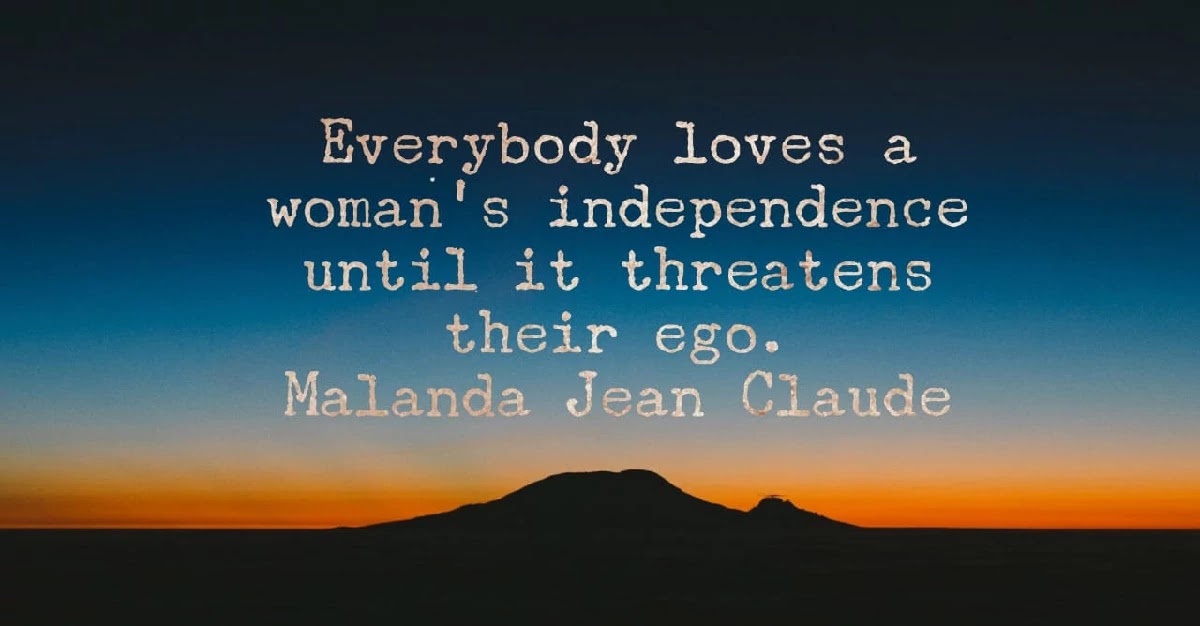
Fear is a primal response when confronted with the unfamiliar or the threatening. In the case of independent women, weak men experience a destabilization of their traditional worldview—one that has often positioned male dominance as the default. The independent woman, by rejecting passive subservience, challenges the fragile ego that clings to antiquated notions of control. Her refusal to be defined by dependency uncovers latent insecurities and triggers an existential panic.
At the core, this fear is not about the woman herself but about the shattering of an illusory pedestal upon which the weak man has placed himself. Independence connotes self-sufficiency and confidence—qualities that spotlight his own inadequacies. This revelation can manifest as resentment, possessiveness, or overt attempts to undermine her autonomy.
Moreover, the presence of such a woman compels weak men to confront uncomfortable truths about their own dependence—on validation, control, or societal expectations. It propels a cognitive dissonance that is easier to escape through withdrawal, sabotage, or overt dismissal rather than acceptance and growth.
The Magnetism of Strength: Why Strong Men Are Drawn to Independent Women
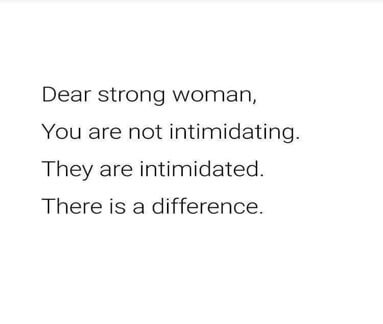
If the independent woman provokes fear in the insecure, she enkindles admiration and desire in the strong. This attraction transcends superficial allure and penetrates the realm of shared values, mutual respect, and unyielding integrity. Strong men are not threatened by her autonomy; instead, they recognize it as a mirror to their own strength.
To be strong is to possess emotional intelligence, resilience, and a secure sense of self. Such men do not require dominion over their partners to validate their masculinity. Rather, they see the independent woman as an equal—a partner in an egalitarian dance, who enriches their existence rather than diminishes it. This dynamic fosters a synergy where each individual is empowered rather than confined.
In fact, strong men often seek the company of independent women because her self-reliance and ambition serve as an intellectual and emotional stimulus. Their attraction is not born from a desire to possess but from a profound respect for autonomy and a shared commitment to growth. This creates fertile ground for relationships characterized by authenticity, trust, and sustained passion.
The Cultural Mirage of Male Dominance and the Independent Woman’s Rejection of It
To understand this dynamic fully, one must address the cultural mirage that enshrines male dominance as the norm. Society has historically tethered women to dependency through economic, social, and psychological means, erecting barriers that discourage autonomy. The independent woman dismantles this mirage, refusing to operate within confines that limit her potential.
This rebellion is transformative yet unsettling. For men conditioned to view authority as hierarchical and gendered, the independent woman’s equitable approach to power is perplexing and, thus, threatening. It destabilizes entrenched narratives and forces a reconsideration of what partnership, respect, and strength truly mean.

Independent women embody a paradigm shift—one increasingly visible in modern relationships—that celebrates interdependence over dependency, collaboration over control. This metamorphosis challenges men to evolve beyond the archaic scripts or risk obsolescence in a world reshaped by empowered women.
Redefining Masculinity: From Protector to Partner
The fear independent women provoke in weak men is intimately tied to an outdated notion of masculinity: the protector and provider who must subdue or shepherd a weaker other. This paradigm crumbles when faced with women who are their own protectors, providers, and leaders. The strong man’s attraction to independence is rooted in a redefinition of masculinity as a fluid, inclusive identity rather than a rigid role.
Strong men understand that masculinity is not diminished by equality; it is enriched. They embrace partnership—one that allows vulnerability, encourages emotional depth, and facilitates mutual empowerment. The independent woman invites this evolution, serving as both a challenge and an inspiration for men to transcend insecurity.
Conclusion: Independence as a Catalyst for Authentic Connection
The phenomenon of independent women eliciting fear in weak men and attraction in strong ones is a profound commentary on power, insecurity, and transformation. Independence is more than a trait—it is a catalyst that dismantles illusions of control and beckons men toward authentic connection. It scares the fragile ego, but it ignites the robust spirit.
For society to advance, the narrative must shift. Men must be encouraged to embrace strength in its truest form, one that welcomes the independent woman not as a threat but as a partner in the collective journey toward freedom and fulfillment. In doing so, the independent woman transcends the role of disruptor and becomes a beacon for a future where relationships are forged in respect, equality, and profound mutual admiration.







Leave a Comment