
In a world saturated with curated images and choreographed endorsements, the Deinfluencing Movement emerges as a rebellious whisper against the hollowness of consumer feminism. It’s a clarion call for authenticity—a fierce rejection of a feminism ensnared in the coils of capitalism and commodification. This movement doesn’t just peel back the glossy veneer of influencer culture; it explodes it, demanding we reimagine empowerment beyond the sterile aisles of products and hashtags. Feminism, once a roaring tide of radical change, risks being reduced to an accessory, a backdrop for the latest lipstick or a promise sold in sponsored stories. Deinfluencing is not just a pushback; it’s a demolition of the fragile edifice constructed by performative solidarity and market-driven narratives.
The Mirage of Consumer Feminism: When Liberation Becomes a Label
Consumer feminism is the seductive chimera that promises emancipation at the checkout counter. It transforms resistance into revenue, allying liberation with the purchase of the “right” products. This phenomenon turns radical feminist ideals into neat, digestible packages—lipsticks that “empower,” T-shirts bearing cheeky slogans, and self-care rituals marketed as feminist acts. But beneath this glittering surface lies an insidious quietus: the cooptation of feminist rhetoric as a marketing ploy, a spectacle that masquerades as activism while enriching the very systems of oppression it claims to oppose.
This commodification distills feminist discourse into palatable soundbites, robbing it of its insurgent potency. It’s a masquerade ball where capitalism dons the mask of social justice, leaving behind a hollow echo chamber where real change is drowned by the clatter of commerce. When selling feminism becomes fashionable, empowerment risks being recast as conspicuous consumption, where the badge of progressiveness is worn like a cheap accessory.
Deinfluencing: The Subversion of Influence in an Era of Overconsumption
Enter deinfluencing—a subversive counter-current flowing against the tidal wave of forced desirability and endless product placement. It is a clarion refusal of the “buy more, consume more, be more” mantra. Deinfluencers wield their platform as instruments of skepticism, dissecting the glossy façades and inviting audiences to question the winds of consumerism that buffet us unrelentingly.
These voices do not peddle products but reveal the underbelly of relentless consumption. They are cartographers of digital truth, mapping the terrain of excessive consumerism with an unflinching gaze. Through candid review, radical transparency, and unabashed negativity toward sponsored content, deinfluencers sow seeds of doubt about brand allegiances and challenge the conflation of feminism with frivolous buying habits. Their unique appeal lies in their defiance; they disrupt the hypnotic lull of influencers who position consumption as synonymous with empowerment.
Deinfluencing does not reject feminism—it demands its resurrection beyond the marketplace. It demands that empowerment be disentangled from profit margins and brand collaborations.
Consumer Fetishism vs. Feminist Authenticity: The Battle for Narrative Sovereignty
At the heart of this struggle lies a battle for narrative autonomy. Consumer feminism inevitably constructs a monoculture of experience where identity and resistance are homogenized into commodity form. The pernicious effect is a feminist identity fractured and subordinated to market imperatives, where marginalized voices are muffled beneath the clamor of mass appeal.
Meanwhile, true feminist activism refuses to be packaged or sanitized. It is a living, breathing insurgency of ideas and bodies that contest power, not one that capitulates to it for the sake of visibility or sponsorship. The deinfluencing movement advocates for sovereignty of narrative—where stories are told in their raw complexity, unedited by the gloss of commercial temptation.
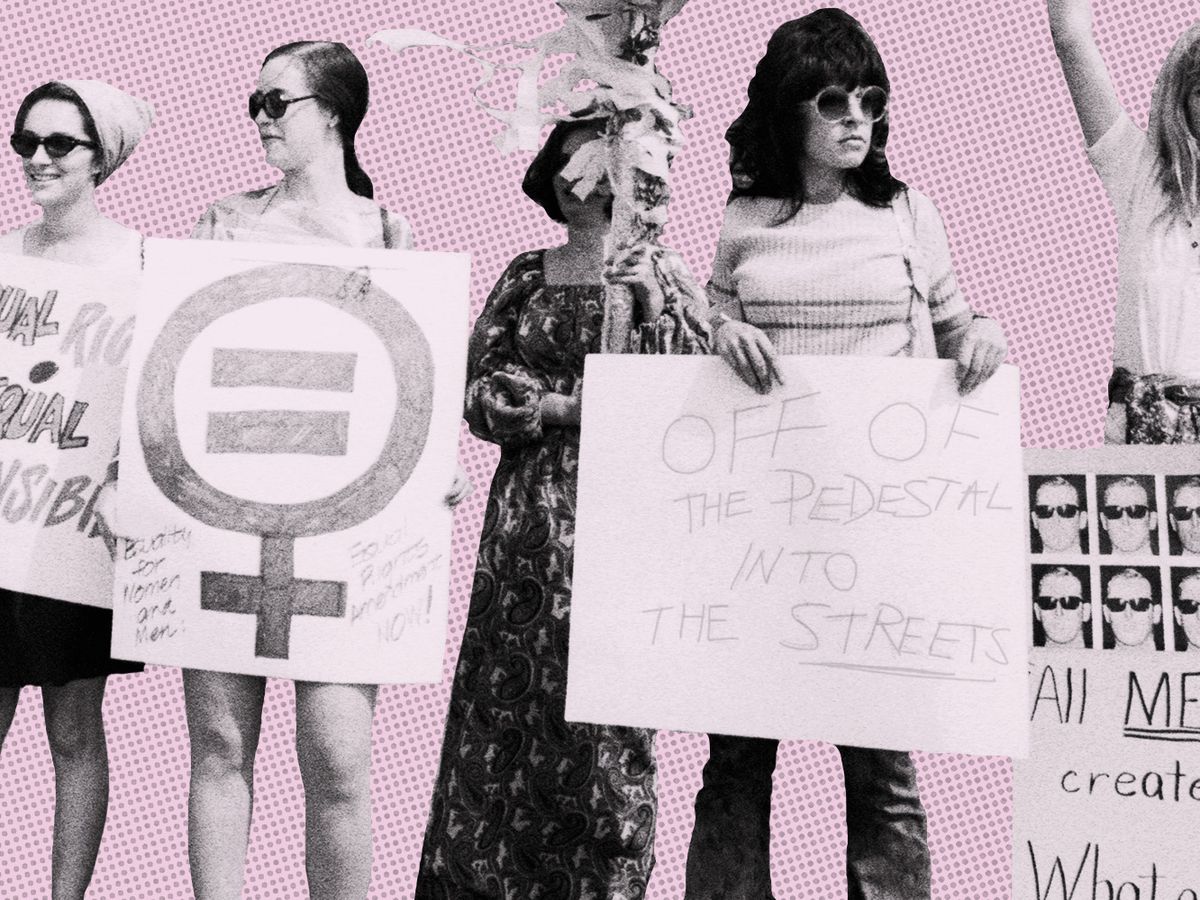
This struggle is not abstract. It is a tangible tug-of-war over what feminism signifies in contemporary culture—an ideological battlefield where the stakes are nothing short of freedom itself.
The Unique Magnetism of Deinfluencing: Why Rejection Feels Revolutionary
There is something inherently electrifying about saying “no.” In an era where the default mode is ceaseless “yes” to trends, products, and partnerships, deinfluencing embodies a provocative refusal that ripples with defiant energy. Refusing consumer feminism isn’t mere cynicism; it’s a reclamation of agency. It asserts the power to reject the scripted narratives imposed by algorithmic economies and brand allegiances.
This movement’s allure is not conformity but dissidence. It appeals especially to those disillusioned by the spectacle of feminism reduced to marketable aesthetics. The deinfluencer’s voice carries the cadence of a rebel bard—fracturing the illusion of choice in a landscape enchanted by capitalist sorcery. This resonates deeply with a generation craving substance over spectacle, depth over digital gloss.
Toward a Feminism Untethered from Consumption
The future of feminism lies in cultivating spaces where empowerment is decoupled from consumerism. This means fostering communities where dialogue reigns over display, where critical thought annuls the mandate to constantly produce and consume content and commodities. A feminism that refuses to be a mere backdrop for brand identity envisions liberation not as a product to be purchased but as a practice to be enacted.
Deinfluencing acts as a crucial catalyst in this metamorphosis. By dismantling the seductive allure of consumer feminism, it reclaims feminist praxis for its radical roots—a praxis that demands dismantling oppressive structures rather than decorating them with palatable aesthetics. It posits empowerment as a collective, conscious act rather than an individual acquisition.

In this reconstructed vision, feminism becomes a wellspring of resistance and renewal, no longer shackled by the relentless churn of consumerist demands.
Conclusion: The Revolutionary Potential of Rejecting Consumer Feminism
Deinfluencing is more than a trend—it is a revolutionary act of intellectual and emotional autonomy. It punctures the bubble of capitalist feminism, exposing it as a hollow simulacrum. It reminds us that true emancipation escapes commodification. Feminism’s power must radiate beyond endorsements and sales funnels; it must pulse through everyday choices, critical consciousness, and collective resistance.
In the shadow of rampant consumerism, deinfluencers illuminate a path toward genuine empowerment, where refusal is as radical as action, and where feminism transcends the marketplace to reclaim its fierce, unapologetic soul.








Leave a Comment