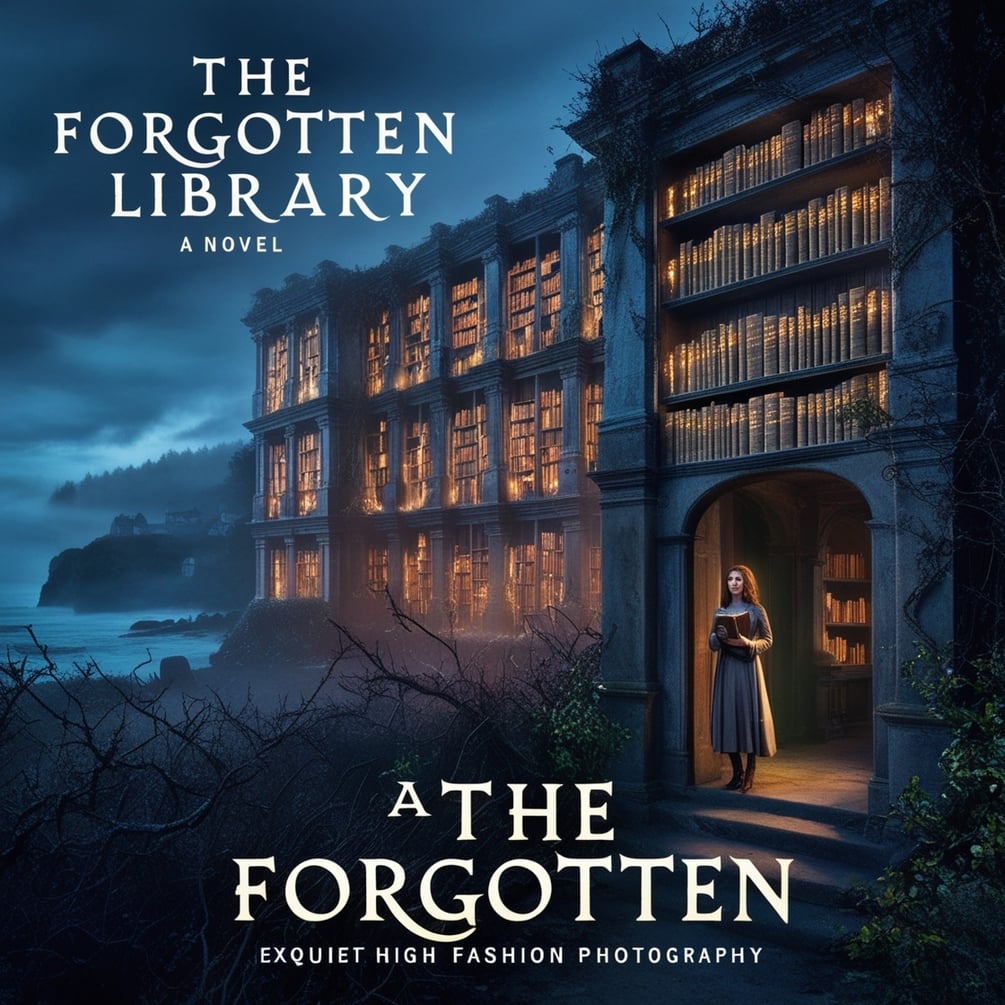
In the vast corridors of literary history, countless voices echo—some loud, some faint. Yet, amid these echoes, there exists a profound silence: the erasure and neglect of female writers whose works once shimmered with brilliance but have since been relegated to the shadows. The Library of Forgotten Female Writers is more than a collection; it is a revolutionary act of reclamation, a radical shift challenging the patriarchal hegemony that has long dictated whose stories are deemed worthy. This library promises not just to fill blank pages but to recalibrate our very lens on literature, culture, and history.
The Specter of Erasure: Why Female Writers Disappeared
The annals of literary history are riddled with systematic exclusion. Female writers have suffered a specter of erasure, often dismissed, forgotten, or misattributed despite their monumental contributions. Societal constraints shackled their creativity—limited access to education, prejudiced publishers, and a cultural milieu that commodified female intellect into silence. Many resorted to pseudonyms or anonymity, their identities concealed behind masculine masks just to be heard.
But this disappearance was no accident; it was orchestrated. Patriarchal structures thrived on controlling narratives. The stories penned by women—stories of resilience, social critique, and intimate human experience—posed a threat to male-dominated paradigms. Hence, they were deliberately obscured, banished to forgotten archives and dusty shelves. Understanding this history unearths painful truths and compels a necessary reckoning.
A Revolutionary Repository: The Library as a Beacon
The Library of Forgotten Female Writers stands not merely as a physical or digital collection but as a beacon illuminating the dark recesses of literary neglect. It beckons readers and scholars alike to confront the biases that have long dictated cultural memory. Here, the revival of these voices is an act of defiance against intellectual marginalization.
Each recovered manuscript, anthology, or biography embedded within this library acts as a testament to resilience. It challenges the canonized narratives with a mosaic of diverse female perspectives spanning geographies, epochs, and genres. From searing poetry and subversive novels to revolutionary essays and intimate diaries, the repository is an uncharted territory inviting voracious exploration.
Shifting Perspectives: Rewriting Literary History
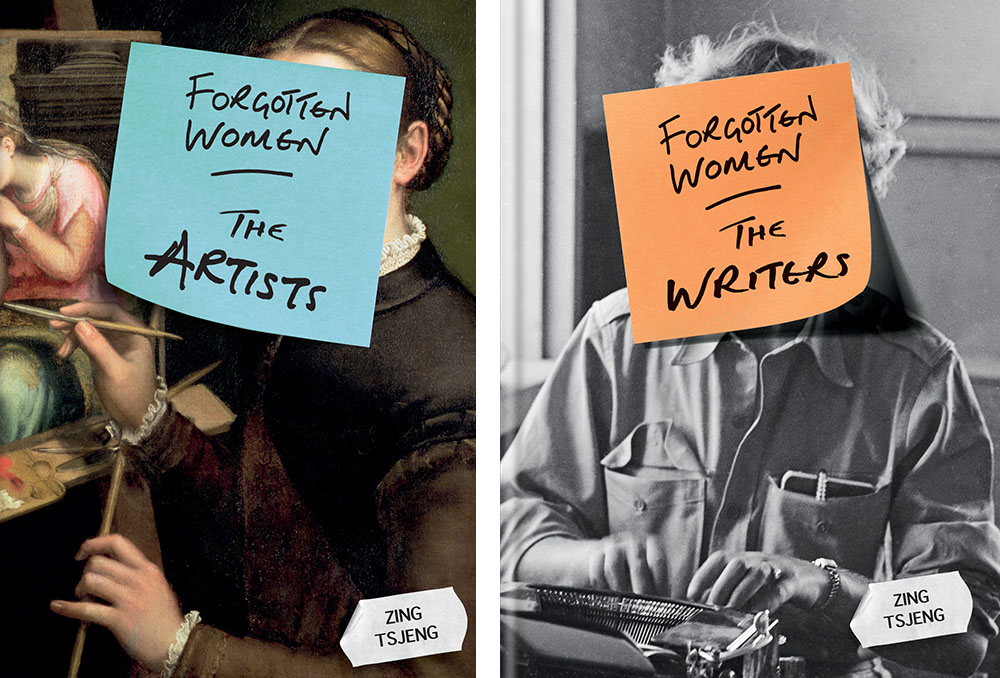
Engaging with this library promises a seismic shift in perspective—not merely in acknowledging these writers but in how literature itself is defined, taught, and valued. It dislodges the monolithic, male-centric frameworks and presents a polyphonic narrative that re-centers marginalized voices. The act of reading these works becomes a radical exercise in empathy and intellectual liberation.
Moreover, the reintegration of forgotten female writers disrupts the comfort zones of traditional literary criticism. It demands scholars to question entrenched assumptions about quality, genre, and cultural importance. By incorporating these texts into educational curricula and public discourse, society begins dismantling systemic biases that have perpetuated ignorance and injustice.
Piquing Curiosity: The Untold Stories Await Discovery
What lies within the pages of this library is nothing short of a Pandora’s box of human experience—stories that complicate, enrich, and occasionally unsettle. Readers find themselves entangled in narratives of forbidden love, rebellious dissent, and intricate explorations of identity long before such themes gained popular attention.
There is a rawness, a candidness to these writings, born from the precariousness of their existence. Their authors often lived on the fringes of society, their words carrying the weight of defiance against cultural and political oppression. Each text invites curiosity, urging readers to unravel histories not polished by patriarchal gloss but alive with authentic female subjectivity.

Cultural Reclamation and Feminist Responsibility
Recovering forgotten female writers is an imperative feminist praxis. It is a cultural reclamation that transcends nostalgia; it is an intentional act of resistance against patriarchal amnesia. Each recovered work becomes a battlefield where gendered narratives are contested and reevaluated. This library—and the movement it inspires—is a clarion call to recognize the intrinsic value of female intellect and creativity.
This endeavor carries a profound ethical dimension. It challenges future generations to be vigilant custodians of memory, ensuring that systemic silencing never recurs. By embracing this task, society affirms the principle that all voices deserve preservation, and history must be inclusive, truthful, and just.
Unlocking the Future: How Forgotten Voices Shape Contemporary Discourse
The Library of Forgotten Female Writers does not merely preserve the past; it actively shapes the future. These voices resonate powerfully within contemporary feminist discourse, literature, and social activism. They provide precedent, inspiration, and a critical framework for understanding enduring struggles around gender, race, class, and identity.
Their revival challenges creators today to experiment boldly and critics to engage deeply with marginalized perspectives. Their stories remind us that literary heritage is not static but a living, mutable entity continually enriched by those long unheard. In this way, the library is both a treasure trove and a blueprint for transformative cultural dialogue.

In reclaiming these lost voices, the Library provocatively asks us: whose stories have we been missing, and how different would our world be if we finally listened? The answer is not only in the unearthing of old texts but in the undeniable, pervasive impact these writings will have in inspiring equity and intellectual freedom for generations to come.









Leave a Comment