Imagine the peer review process as an ancient arboretum — a place that promises scholarly growth and vibrant intellectual blooms. Yet, beneath its polished façade, a subtle blight spreads: a systemic, pernicious silencing of women’s voices. This creeping malaise gnaws at the roots of equity in academia, where research authored by women is stifled or diminished, not by the rigor of ideas, but by the shadowy tendrils of bias. The peer review process, hailed as the gatekeeper of scientific integrity, paradoxically functions as a labyrinthine cloister that consigns many women’s contributions to oblivion.
The Veiled Gorgon: Gendered Bias as an Invisible Sentinel
To peer review, blind to bias, is a myth. Gendered prejudice operates like the mythical Gorgon’s gaze—unseen but petrifying the potential of female scholars before their work ever leaves the chamber. Although reviewers wield an ostensibly neutral gaze, countless studies reveal an insidious proclivity to undervalue women’s research. The intellectual landscape becomes a battlefield, where women’s ideas are scrutinized with an exaggerated skepticism, forcing them to navigate a minefield of expectations not applied to their male counterparts.
What makes this bias so pernicious is its subtlety: it never shouts but whispers, cloaked in comments about “style,” “rigor,” or “novelty.” Meanwhile, identical holes in male-authored papers are dismissed as mere interpretive differences. This codified double standard undermines not only individual careers but the collective advancement of knowledge, as crucial perspectives are buried beneath layers of institutional inertia.
Echo Chambers and the Perpetuation of Patriarchal Gatekeeping
The peer review arena is not just a site of individual bias—it is a self-reinforcing echo chamber dominated by patriarchal gatekeepers. Editors and reviewers, predominantly men, curate the intellectual canon with narrow proclivities, consciously or unconsciously perpetuating homogeneity. This creates a feedback loop where women’s work is less likely to be accepted, cited, or legitimized.
Imagine a labyrinth in which the walls themselves shift, closing off corridors and reinforcing pathways frequented only by those resembling the gatekeepers. This labyrinthine structure ensures that women must not merely comply with traditional paradigms but exceed them, while men are granted latitude. The result is an academic ecosystem that prizes conformity to masculine-coded norms, sidelining alternative methodologies and feminist epistemologies.

Invisible Ink: The Erasure of Women’s Contributions
Women’s research often suffers from a paradoxical invisibility—published, yet unread, cited, yet unacknowledged. The peer review process can function like invisible ink, marking women’s work with a faintness that only emerges as absence in the broader discourse. This erasure is not accidental but systemic, stemming from biases embedded in citation practices, network exclusions, and editorial decisions.
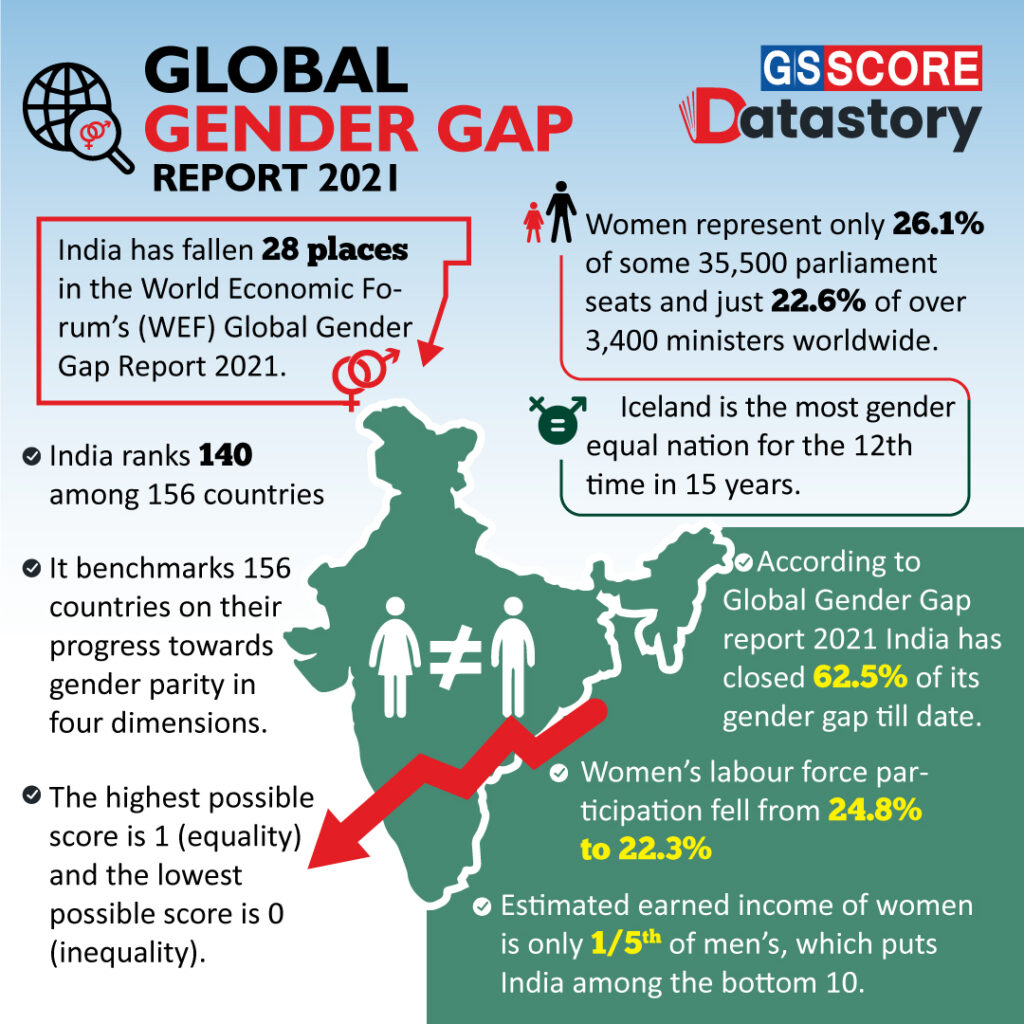
The consequences ripple far beyond publication. Funding opportunities, academic promotions, and tenure decisions rely heavily on citation metrics and perceived impact. When the peer review process implicitly diminishes women’s research quality or relevance, it undermines these critical lifelines. The intellectual environment thus churns with an invisible economic violence, making women’s scholarly trajectories precarious and uneven.
The Valkyrie’s Fight: Strategies to Reorient the Peer Review Process
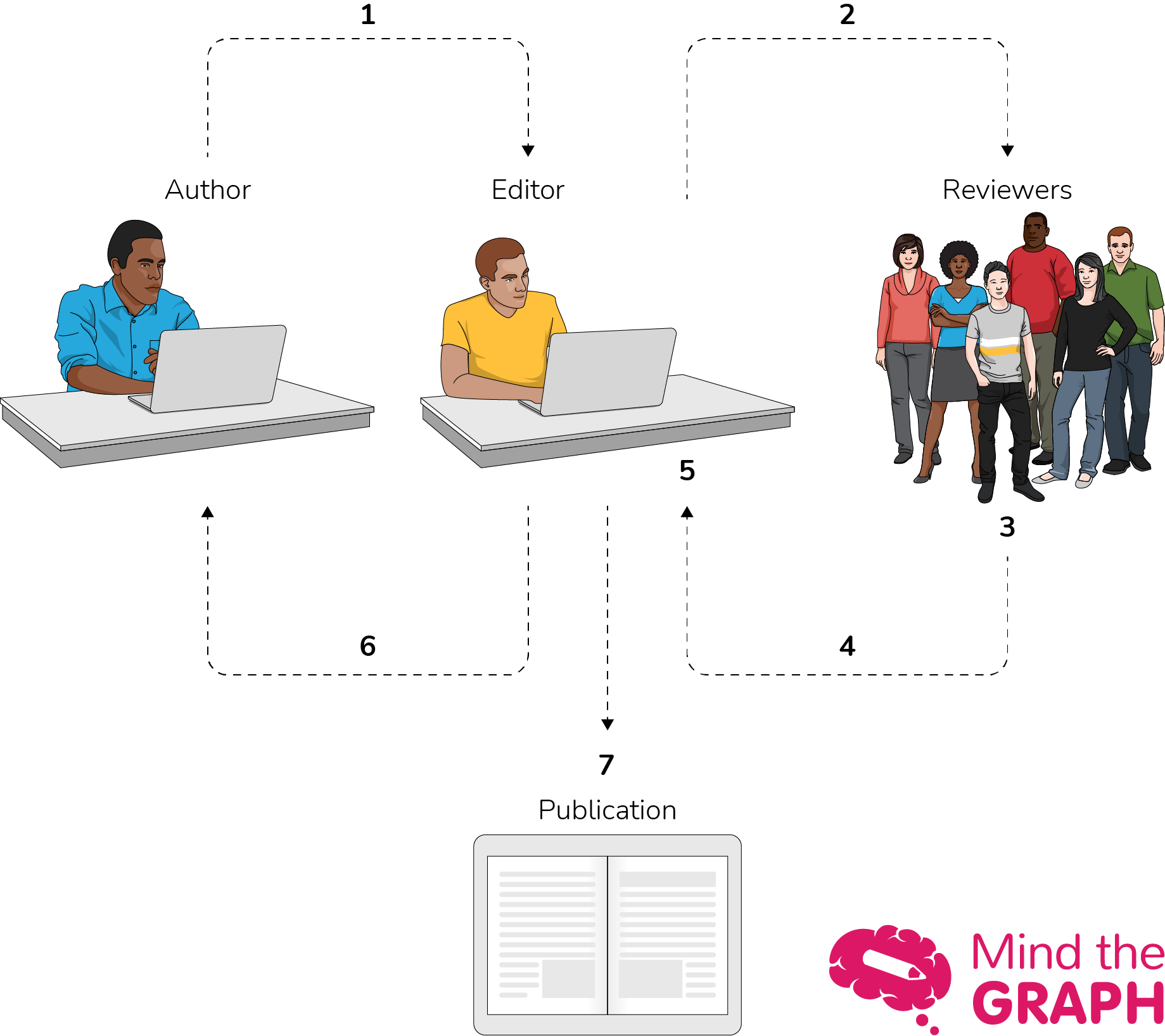
Yet, within this daunting terrain lies the glimmer of fierce resistance. Feminist scholars and allies have taken up the mantle to expose and dismantle these spectral barriers. Transparent peer review models, double-blind processes, and the inclusion of diverse editorial boards are vital weapons in this fight.
Double-blind reviews, while not flawless, reduce the sway of gender bias by obscuring author identity and enabling assessments grounded in merit rather than appearance or affiliation. Empowering women as editors and reviewers diversifies perspectives, breaking the homogeneity that sustains patriarchal dominance. Furthermore, fostering open conversations about implicit bias, coupled with rigorous training for reviewers, chips away at the entrenched prejudices masking as academic rigor.
Redrawing the Map: Towards an Equitable Intellectual Ecosystem
Reimagining peer review demands abandoning the archetype of an impenetrable citadel guarding abstract “objectivity.” Instead, it calls for nurturing an ecosystem where intellectual diversity thrives without the shadow of invisible gatekeepers. This entails radical structural reforms—embracing inclusive policies, promoting transparency, and weaving intersectional awareness into every strand of evaluation.
A truly progressive peer review model must reverberate with voices historically muffled—those of women, marginalized identities, and divergent epistemologies. Without this reckoning, academia risks ossifying into a monolith, stifling innovation under the guise of tradition.
Conclusion: The Unfinished Symphony of Scholarly Equity
The peer review process has always been more than a technical mechanism; it is a charged battleground where power, recognition, and legitimacy are negotiated. Its current iteration, steeped in implicit gender bias, functions like an ancient arboretum with towering walls—beautiful in theory but inhospitable to women’s intellectual flourishing. To dismantle this system is to invite a renaissance, a symphony of ideas where women’s research resonates as powerfully and prolifically as their male counterparts.
Rewriting the peer review narrative is not a mere academic exercise—it is an urgent feminist imperative. Only by casting aside the shadows that silence women’s scholarship will the garden of knowledge truly bloom in all its magnificent diversity.








Leave a Comment