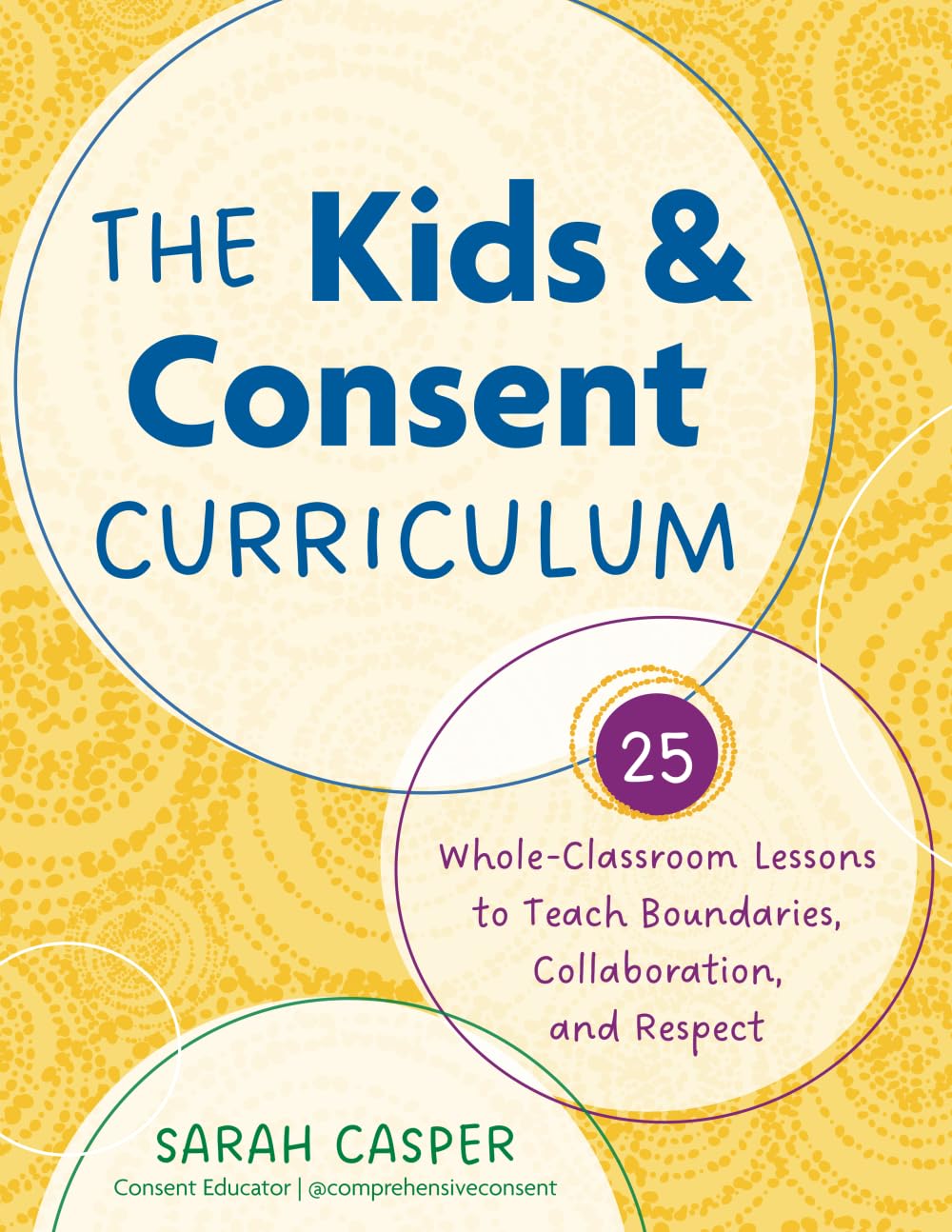
In a world teetering on the brink of reclaiming bodily autonomy and dismantling entrenched patriarchal norms, the introduction of a middle school consent curriculum should have been a heralded leap forward. Instead, it ignited outrage—parents stormed meetings, headlines blared alarm, and a movement meant to empower young minds became a lightning rod for controversy. This is not merely a tale of curricular reform gone awry. It exposes the fault lines beneath societal discomfort with teaching consent, revealing how transformative education can clash violently with protective parental instincts and cultural inertia.
A Radical Shift: Reimagining Consent for the Young
Consent education has long been postulated as a necessary intervention at the high school or collegiate level, often relegated to discussions of sexual assault prevention or legal ramifications. But introducing it to middle schoolers—those on the cusp of adolescence—rewrites the established timeline. This curriculum does not tiptoe around the issue; it confronts it head-on. It prompts children to consider their own autonomy, respect boundaries, and decode the subtle power dynamics shaping their interactions. This early intervention promises a tectonic shift in perspective, planting seeds that could uproot coercion before it takes root.
By immersing young learners in lessons that dissect consent beyond the binary of ‘yes’ and ‘no,’ the curriculum elevates discussions around respect, enthusiastic agreement, and emotional intelligence. It encourages students to internalize that consent is ongoing, malleable, and deeply tied to personal agency. This philosophical pivot, while intellectually liberating, unsettles those conditioned to view children as passive recipients of adult authority rather than active negotiators of their own experiences.

The Parental Backlash: Fear and Misconception Collide
What unfurled next was less a civil discourse and more a cacophony of parental indignation. The protest was not just about the curriculum’s content but about a perceived breach of trust and an existential fear of premature exposure. Many parents equated early consent education with a dangerous invitation to sexualize children or a Trojan horse of adult agendas masquerading under the guise of empowerment. This backlash illuminated a profound societal discomfort with acknowledging young people as sexual beings deserving agency, rather than innocents to be shielded at all costs.
Fueled by misinformation and the viral firestorm of social media echo chambers, the resistance morphed into organized demands to retract the curriculum. Consent concepts clashed with orthodox moralities; educators found themselves framed as radicals, indoctrinators, or worse—threats to familial sovereignty. The parental uproar was emblematic of deeper anxieties: Who owns the narrative about childhood? Who controls what children learn about their own bodies and rights? Such questions cut to the core of cultural power struggles surrounding gender and sexuality.
Curriculum Content: The Anatomy of Empowerment
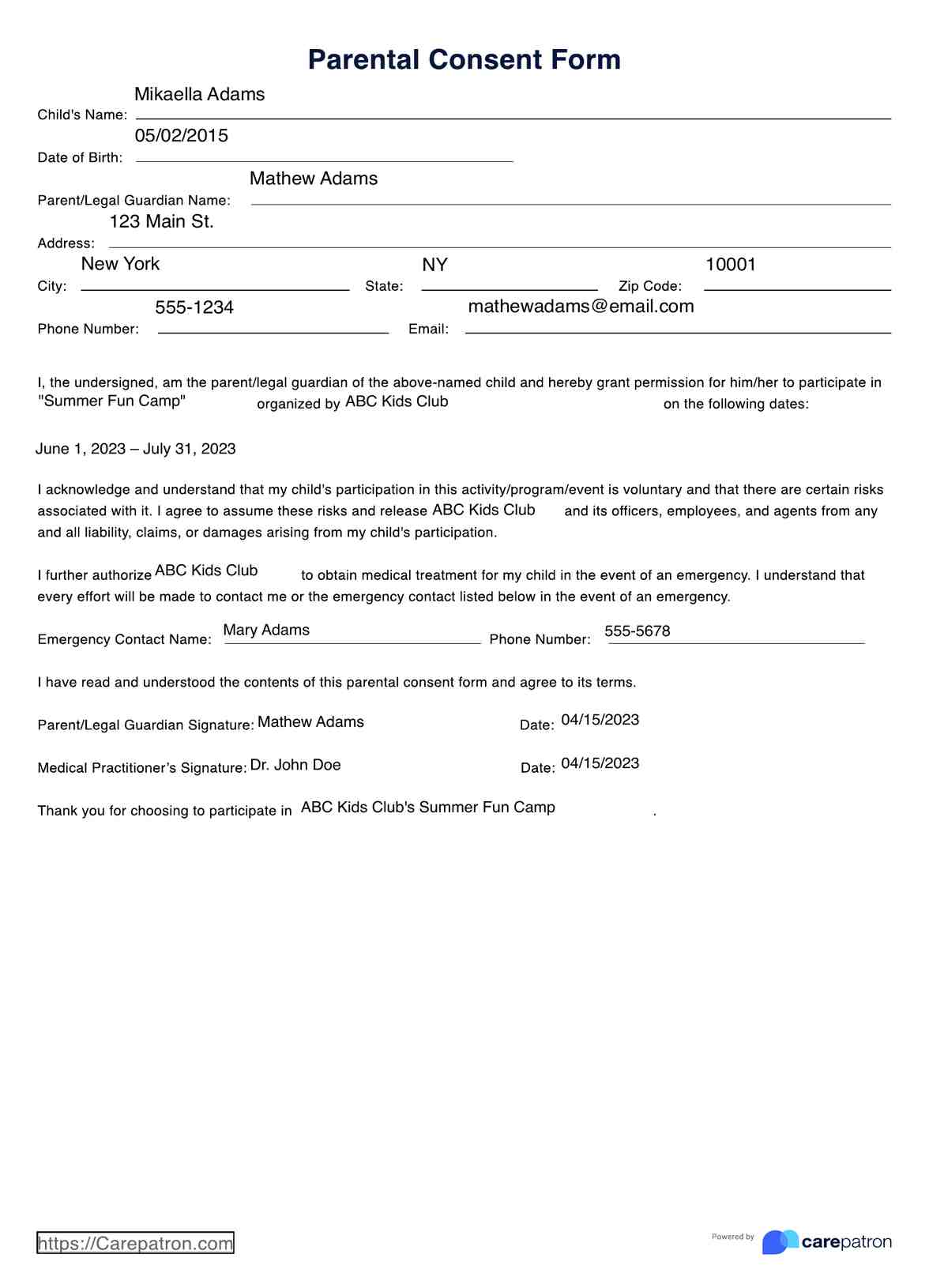
The curriculum’s architecture is meticulous and unapologetically deliberate. It transcends simplistic directives like “say no” or “respect others.” Instead, it employs scenarios and role-playing to teach negotiation, mutual respect, and emotional literacy. It’s not just about setting boundaries; it’s about recognizing them in others, about dismantling ingrained social scripts that excused coercion or normalized silence. Students grapple with the intricacies of verbal and non-verbal cues, and the consequences of ignoring or violating consent.
Moreover, the lessons embed discussions of consent within broader frameworks of dignity, power, and intersectionality, acknowledging how factors such as gender identity, cultural background, and personal history influence experiences of agency. This intersectional approach enriches the dialogue, preparing students to engage thoughtfully with a diverse world and fostering empathy alongside self-assertion. It is not education that merely informs—it is education that revolutionizes perspectives at their root.
Societal Implications: Beyond Classroom Walls
Resistance to consent education in middle schools is not merely a localized phenomenon; it reflects schisms in society’s readiness to wrestle with systemic inequalities in power, gender, and respect. Success in this arena promises ripple effects—reduced rates of sexual violence, healthier relationships, and a society where respect is ingrained rather than enforced. Yet, the turbulence surrounding this curriculum reveals the stubborn resilience of taboos and the fear of unsettling the status quo.
By resisting early consent education, society risks perpetuating cycles of ignorance and harm. There is a desperate need to reframe how childhood and adolescence are understood—shifting from protectionism to empowerment. When young people grasp the fundamentals of consent, they are equipped to navigate relationships with confidence and integrity. This is not merely about preventing abuse; it is about fostering a culture that prioritizes autonomy and mutual respect from the outset.

The Road Ahead: Navigating Resistance with Resolve
Change begets conflict. The uproar over this curriculum underscores the urgent necessity of sustained advocacy, nuanced dialogue, and community engagement. Educators and activists must bridge gaps of mistrust, confronting fears with facts and empathy. Transparency around content and intent—paired with genuine parental involvement—can dismantle misconceptions. Advocates must emphasize that consent education is an act of respect toward children, a recognition of their inherent rights and capacities.
Moreover, this education must be viewed not as a radical departure but as a logical, humane progression of comprehensive education. Parenting does not occur in silos; schools are essential partners in the holistic development of young people. When parents and educators align, the community benefits from a shared commitment to nurturing informed, resilient, and empowered youth.
Ultimately, the true promise of this curricular innovation is a future where conversations about consent are not incendiary battlegrounds but foundational pillars of childhood learning. The rebellion it sparked is but a growing pain—a necessary confrontation with entrenched fears that must be overcome to achieve genuine liberation and respect for the next generation.








Leave a Comment