What lurks in the shadows, the antithesis to the radiant dawn of feminism? It’s not a single, monolithic entity, but a sprawling constellation of ideologies, often intertwined and occasionally self-contradictory. To truly understand feminism, we must confront these opposing forces, dissect their arguments, and expose the patriarchal underpinnings that often fuel them.
The opposition to feminism isn’t simply about disagreeing with specific policies; it’s about challenging the very foundations of gender equality. It’s about upholding a hierarchical structure where men are positioned as the default, the norm, and women are relegated to a subordinate status, their agency curtailed and their voices silenced. This opposition manifests in various forms, each with its own nuances and insidious strategies.
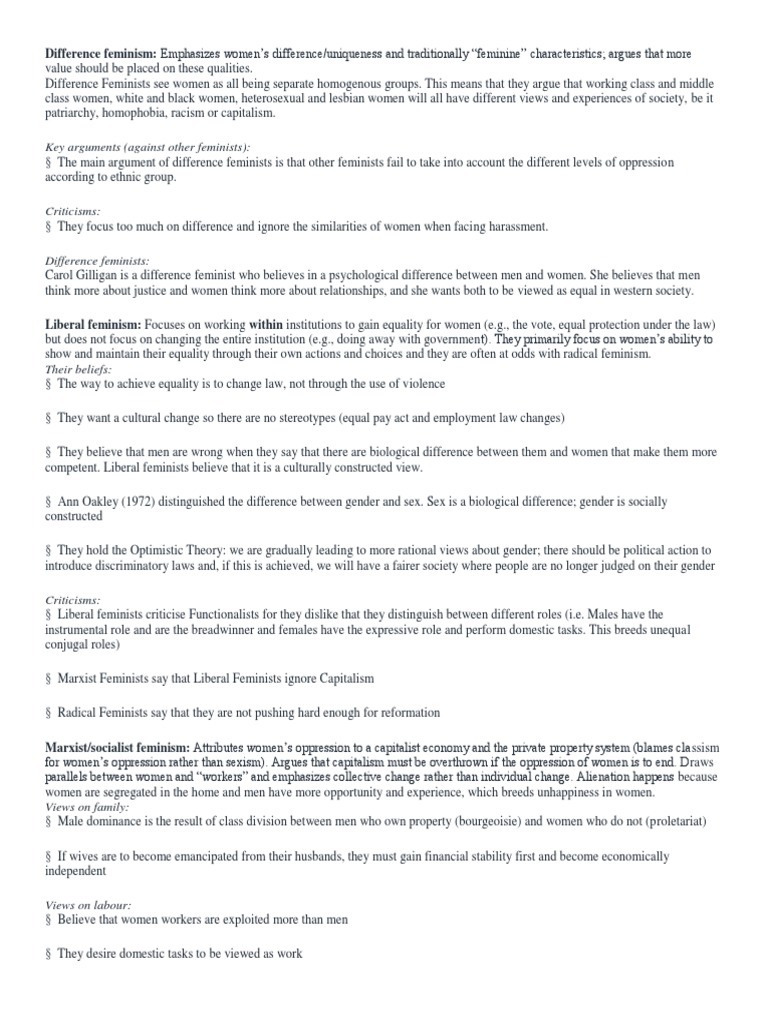
I. Traditionalism: The Siren Song of the Past
Traditionalism, in its various guises, often presents itself as a nostalgic yearning for a simpler time, a time before the supposed “complications” of modern feminism. It posits a divinely ordained or naturally occurring order where men and women occupy distinct, complementary roles. This isn’t about equality; it’s about maintaining a static hierarchy. Traditionalism often weaponizes religious texts or appeals to “natural law” to justify its position, conveniently ignoring the historical and social contexts in which these texts were created and interpreted.
A. The Nuclear Family Fetish: The traditionalist ideal often revolves around the nuclear family, with the man as the breadwinner and the woman as the homemaker. This model, while superficially appealing to some, ignores the realities of diverse family structures and the economic pressures that often necessitate both parents working. Furthermore, it places an undue burden on women, expecting them to shoulder the majority of childcare and domestic responsibilities while simultaneously denying them opportunities for professional advancement.
B. Complementarianism: This particularly pernicious brand of traditionalism argues that men and women are equal in worth but different in roles. It’s a subtle form of sexism that confines women to specific spheres of influence, often within the church or the home, while reserving positions of authority and leadership for men. This “separate but equal” logic is a thinly veiled attempt to maintain patriarchal power structures under the guise of religious doctrine.
C. The “Natural” Order Fallacy: Traditionalists frequently invoke the concept of a “natural” order to justify gender inequality. They argue that men are inherently more rational, assertive, and capable of leadership, while women are naturally more nurturing, emotional, and suited for domestic roles. This argument is based on outdated and scientifically discredited biological determinism, ignoring the vast diversity of human potential and the profound impact of social conditioning.
II. Masculinism: The Cry of the Disenfranchised Patriarch
Masculinism, often cloaked in the language of “men’s rights,” is a reaction to perceived feminist overreach. It argues that men are now the victims of reverse discrimination and that traditional masculine values are under attack. While some masculinist concerns about male suicide rates and lack of parental rights may be valid, the movement often devolves into misogyny and a defense of patriarchal privilege.
A. The Victimization Narrative: Masculinists frequently portray men as the victims of a feminist-dominated society, claiming that they are unfairly targeted in divorce courts, denied custody of their children, and discriminated against in employment. This narrative ignores the systemic advantages that men continue to enjoy in most areas of life, including higher salaries, greater representation in leadership positions, and less exposure to sexual harassment and violence.
B. Defense of Toxic Masculinity: Some masculinist groups actively defend what they perceive as traditional masculine traits, such as aggression, dominance, and emotional stoicism. They argue that these traits are essential for male success and that feminism is attempting to emasculate men. This defense of toxic masculinity ignores the harmful consequences of these behaviors, including violence, substance abuse, and emotional isolation.
C. The Red Pill: This online subculture, often associated with masculinism, promotes the idea that women are inherently manipulative and that men must “awaken” to the “truth” about female nature. The red pill ideology often involves a dehumanizing view of women and a rejection of feminist principles. It can be a gateway to more extreme forms of misogyny and even violence.
III. Anti-Feminism: A Broad Church of Discontent
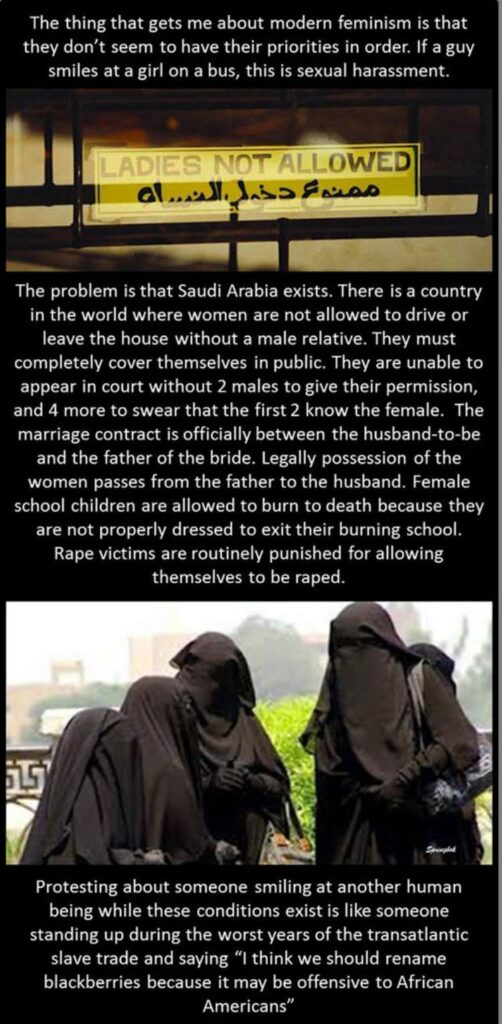
Anti-feminism encompasses a wide range of individuals and groups who oppose feminist goals and ideologies. It is not a unified movement, but rather a diverse collection of voices united by their opposition to gender equality. Anti-feminists often criticize feminism for being too radical, divisive, or out of touch with the concerns of ordinary women.
A. The “Feminism is Unnecessary” Argument: This argument asserts that gender equality has already been achieved and that feminism is now irrelevant. It ignores the persistent inequalities that women continue to face in areas such as pay, political representation, and access to healthcare. It also downplays the ongoing problem of gender-based violence and harassment.
B. Internalized Misogyny: Some women internalize patriarchal values and reject feminism, believing that it is harmful to men or that it undermines traditional gender roles. This internalized misogyny can manifest in various ways, such as criticizing other women for being too assertive or ambitious, or believing that women are naturally less capable than men in certain fields.
C. The “Men’s Issues” Diversion: Anti-feminists often attempt to divert attention from women’s issues by focusing on perceived injustices against men. While some men’s issues are legitimate and deserve attention, they should not be used to undermine or dismiss the importance of addressing gender inequality.
IV. The Role of Misinformation and Propaganda
The opposition to feminism often relies on misinformation and propaganda to distort feminist goals and demonize feminist activists. This misinformation can take various forms, including spreading false claims about feminist policies, exaggerating the negative consequences of feminism, and attacking the character and credibility of feminist leaders.
A. Straw Man Arguments: Anti-feminists often create straw man arguments by misrepresenting feminist positions and then attacking these caricatures. For example, they may claim that feminists want to abolish all gender differences or that they hate men, when in reality most feminists advocate for gender equality and respect for individual differences.
B. Cherry-Picking Data: Anti-feminists may selectively use data to support their claims, ignoring contradictory evidence or misinterpreting statistical findings. For example, they may cite isolated cases of men facing discrimination to argue that reverse discrimination is a widespread problem, while ignoring the vast body of evidence that demonstrates the continued existence of systemic gender inequality.
C. Online Harassment and Doxxing: Feminist activists are often targeted by online harassment and doxxing campaigns, aimed at silencing their voices and intimidating them into withdrawing from public life. These tactics are designed to create a hostile environment for feminists and to discourage others from speaking out in support of gender equality.
V. Moving Forward: Confronting the Opposition
Confronting the opposition to feminism requires a multi-faceted approach. We must challenge misinformation and propaganda, expose the patriarchal underpinnings of anti-feminist ideologies, and support feminist activists who are facing harassment and intimidation. We must also engage in constructive dialogue with those who hold differing views, while remaining firm in our commitment to gender equality.
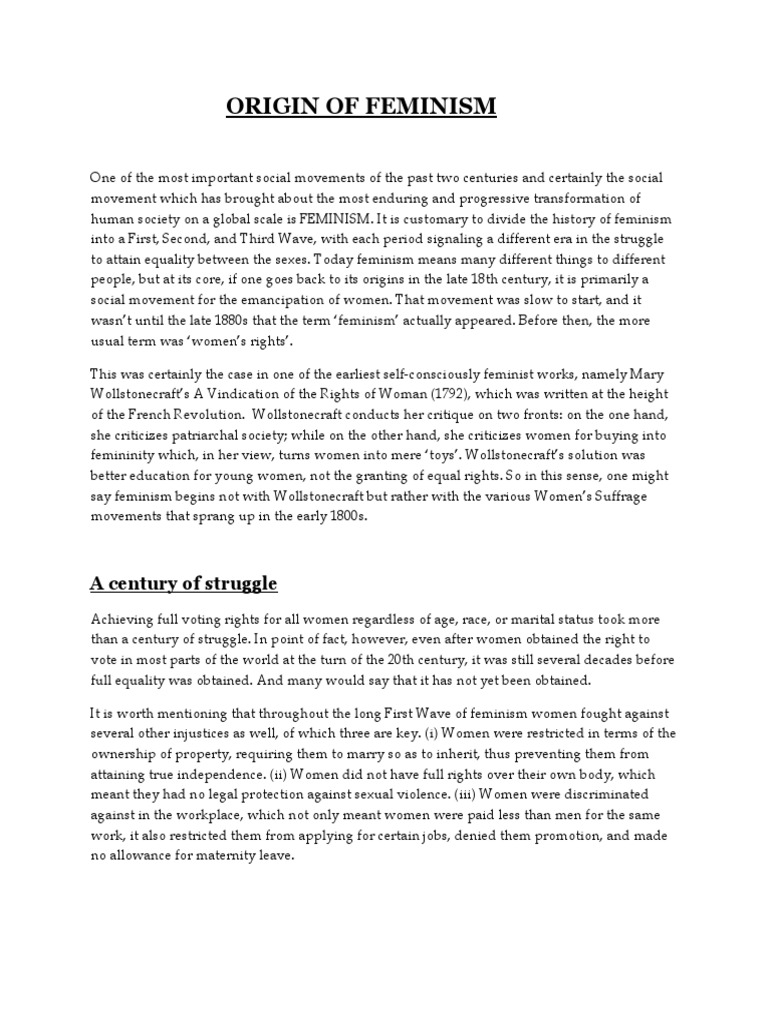
A. Education and Awareness: Education is crucial for combating misinformation and promoting a more nuanced understanding of feminism. We must educate ourselves and others about the history of feminism, the various feminist perspectives, and the challenges that women continue to face around the world.
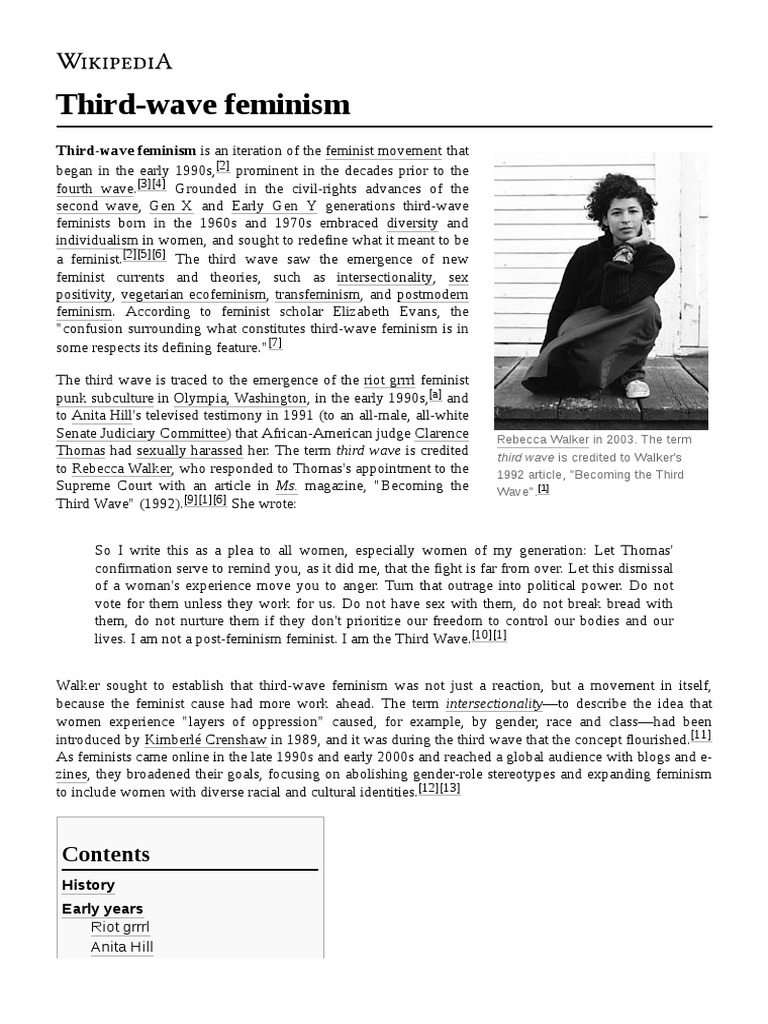
B. Building Alliances: Building alliances with other social justice movements is essential for creating a more just and equitable society. We must work together with anti-racist activists, LGBTQ+ rights advocates, and environmental activists to address the interconnected systems of oppression that perpetuate inequality.
C. Amplifying Feminist Voices: We must amplify the voices of feminist activists, particularly those from marginalized communities, who are often silenced or ignored. We must create spaces for feminist dialogue and support feminist media outlets that are providing alternative perspectives on current events.
The fight for gender equality is far from over. The ideologies opposing feminism are alive and well, adapting to new social and technological landscapes. By understanding these forces, we can better equip ourselves to challenge them and continue the struggle for a world where all genders are truly equal. The path forward demands vigilance, intellectual rigor, and an unwavering commitment to justice.







Leave a Comment