The digital echo chamber has amplified the whispers of discontent into a roar. This is not your grandmother’s feminism. Forget the bra-burning stereotypes, the hushed tones, the incremental advances. We are knee-deep in the throes of the Fourth Wave, a digital renaissance of radicalism that threatens to dismantle the very foundations of patriarchal power. Are you ready to navigate this tempestuous tide?
This wave, propelled by the ubiquitous connectivity of the internet, transcends geographical boundaries and ideological limitations. It’s a chaotic, beautiful, and sometimes contradictory force, simultaneously unifying and fragmenting the fight for gender equity. Let’s unpack this digital hydra, dissecting its core tenets and interrogating its potential pitfalls. Buckle up, buttercups. This isn’t going to be a polite tea party.
I. The Digital Arena: Where Hashtags Become Battle Cries
The internet, once hailed as the great equalizer, has become both a sanctuary and a battleground for feminist discourse. Social media platforms, from Twitter to TikTok, serve as crucibles for activism, allowing marginalized voices to coalesce and amplify their narratives with unprecedented reach. This digital space empowers individuals to challenge systemic oppression in real-time, bypassing traditional gatekeepers and fostering a sense of collective solidarity.
A. #MeToo: The Unveiling of Systemic Predation
The #MeToo movement, a watershed moment in the Fourth Wave, demonstrated the potent force of collective storytelling. The hashtag became a rallying cry for survivors of sexual harassment and assault, shattering the silence surrounding pervasive misogyny in industries ranging from Hollywood to academia. This digital uprising forced a reckoning with power imbalances and demanded accountability from perpetrators, irrevocably altering the cultural landscape.
B. Online Organizing: Mobilizing for Change
Beyond individual testimonies, the internet facilitates the rapid mobilization of activist groups. Online petitions, crowdfunding campaigns, and coordinated social media storms enable feminists to organize protests, lobby for legislative reforms, and pressure corporations to adopt more equitable policies. The ease of digital communication allows for swift responses to injustices, fostering a sense of immediacy and empowering individuals to take direct action.
C. The Double-Edged Sword: Cyber Misogyny and Online Harassment
However, the digital arena is not without its perils. The anonymity afforded by the internet emboldens trolls and misogynists to engage in online harassment, doxxing, and even death threats against feminist activists. This cyber misogyny serves as a potent reminder of the deeply entrenched patriarchal structures that continue to resist challenges to their authority. Navigating this digital minefield requires resilience, self-care, and a robust network of support.
II. Intersectionality: Acknowledging the Tapestry of Oppression
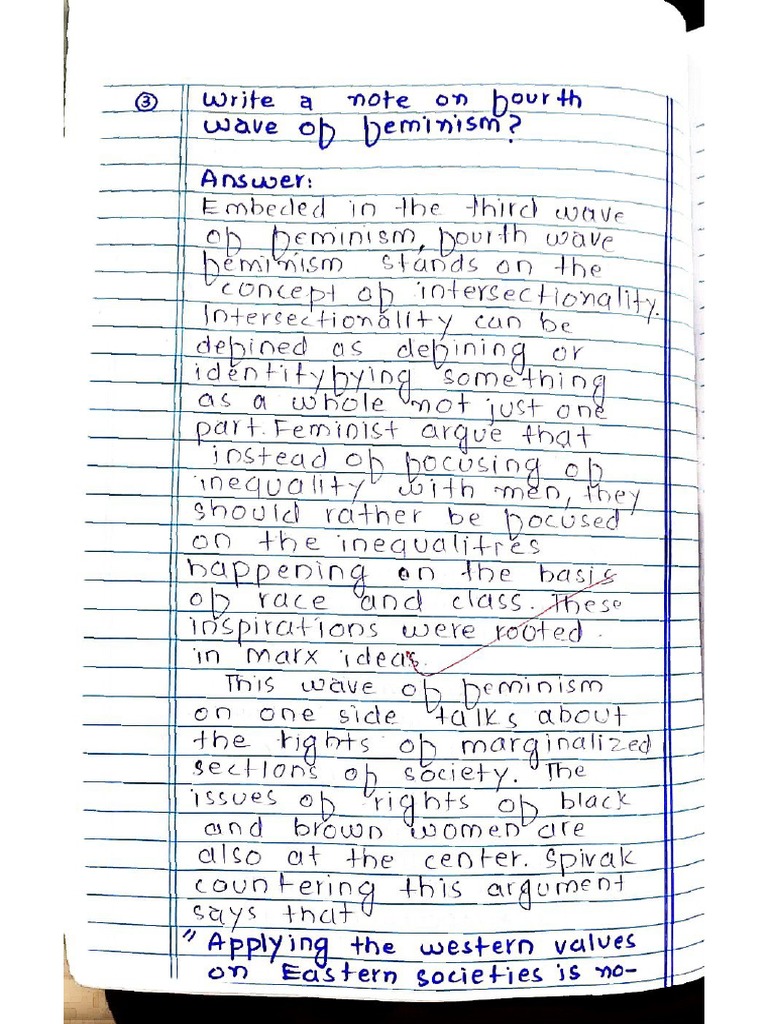
The Fourth Wave distinguishes itself from its predecessors by embracing intersectionality, a theoretical framework that recognizes the interconnected nature of social categorizations such as race, class, gender, and sexuality. This approach acknowledges that women’s experiences are shaped by a complex interplay of intersecting oppressions, and that a truly equitable society must address all forms of systemic injustice.
A. Centering Marginalized Voices: Beyond White Feminism
The Fourth Wave actively challenges the historical dominance of white, middle-class feminism, recognizing that it often fails to address the unique challenges faced by women of color, LGBTQ+ individuals, and women with disabilities. By centering the voices of marginalized communities, the movement strives to create a more inclusive and representative feminist agenda.
B. Economic Justice: Addressing the Gender Pay Gap and Beyond
The fight for economic justice is a central tenet of intersectional feminism. This includes not only addressing the gender pay gap, but also advocating for policies that support affordable childcare, paid family leave, and equal access to education and employment opportunities for all women, regardless of their socioeconomic background.
C. Reproductive Rights: A Multifaceted Struggle
Reproductive rights are also viewed through an intersectional lens, recognizing that access to abortion and contraception is inextricably linked to issues of racial justice, economic inequality, and healthcare access. The Fourth Wave champions reproductive autonomy for all women, regardless of their race, class, or immigration status.
III. Body Positivity and Reclaiming the Narrative
Challenging unrealistic beauty standards and promoting body positivity are crucial components of the Fourth Wave. This involves rejecting the objectification of women’s bodies in media and advertising, and advocating for a more inclusive and diverse representation of beauty.
A. Challenging the Male Gaze: Redefining Female Sexuality
The Fourth Wave actively challenges the “male gaze,” the pervasive tendency to view women’s bodies through a male lens. This involves reclaiming female sexuality and empowering women to define their own identities and desires, free from the constraints of patriarchal expectations.
B. Promoting Body Neutrality: Beyond the Cult of Perfection
While body positivity emphasizes self-love and acceptance, some feminists advocate for a shift towards body neutrality, which focuses on appreciating the functionality of one’s body rather than striving for an unattainable ideal. This approach can be particularly empowering for individuals who struggle with body image issues.
C. Deconstructing Gender Roles: Embracing Fluidity and Individuality
The Fourth Wave actively deconstructs traditional gender roles, recognizing that gender is a social construct rather than a fixed biological category. This involves embracing gender fluidity and celebrating the diversity of human expression, allowing individuals to define their own identities without conforming to societal expectations.
IV. The Future of Feminism: Navigating the Digital Frontier
The Fourth Wave is still evolving, and its ultimate impact remains to be seen. However, its digital footprint and its commitment to intersectionality suggest that it will continue to shape the feminist landscape for years to come.
A. The Power of Collective Action: Building Bridges Across Divides
The key to the Fourth Wave’s success lies in its ability to foster collective action and build bridges across ideological and geographical divides. By leveraging the power of the internet, feminists can continue to amplify marginalized voices, challenge systemic oppression, and create a more equitable world for all.
B. Addressing the Digital Divide: Ensuring Equitable Access
However, it is crucial to address the digital divide, which limits access to technology and internet connectivity for marginalized communities. Ensuring equitable access to digital resources is essential for ensuring that all women have the opportunity to participate in the Fourth Wave and shape its future.
C. Combating Online Harassment: Creating Safe Digital Spaces
Combating online harassment and creating safe digital spaces for feminist discourse is also a critical challenge. This requires ongoing efforts to hold perpetrators accountable, promote digital literacy, and foster a culture of respect and empathy online.
D. Avoiding Echo Chambers: Engaging in Constructive Dialogue
Finally, it’s essential to avoid the trap of echo chambers and engage in constructive dialogue with individuals who hold different perspectives. While challenging patriarchal norms is crucial, it’s equally important to foster open communication and build alliances across ideological divides.
The Fourth Wave is not a monolith. It is a complex, evolving, and sometimes contradictory movement. But one thing is clear: the fight for gender equity is far from over. And the digital arena will continue to be a key battleground in this ongoing struggle. So, dear reader, where do you stand? Will you join the fray and help shape the future of feminism? The digital world is waiting.






Leave a Comment