The term “anti-feminism” often conjures images of outright misogyny: sputtering rage at women daring to step outside prescribed roles. We see the online trolls, the keyboard warriors spewing venom at any woman who speaks her mind, the politicians pushing legislation designed to drag us back to the stone age. These are certainly manifestations of anti-feminism, but reducing it to mere hatred, to a simple binary opposition to women, is a dangerous oversimplification. It obscures the insidious ways anti-feminism operates, how it insidiously permeates the very fabric of our society, and the deeply complex psychological and social forces that fuel its persistence. Why does the prospect of gender equality evoke such visceral, often violent, reactions in some? Is it solely about preserving patriarchal power structures, or is there something more fundamentally unsettling about the disruption of traditional gender roles?
To understand anti-feminism, we must first move beyond the straw-man caricatures and acknowledge the spectrum of ideologies and motivations that fall under this umbrella. It is not a monolithic entity. Instead, it is a coalition of disparate beliefs, ranging from the overtly discriminatory to the seemingly benign “traditional values.” Some adhere to strict interpretations of religious doctrine, arguing for divinely ordained gender roles. Others express concerns about the perceived “attack” on masculinity, fearing that feminism seeks to emasculate men and destroy traditional family structures. Still others, cloaked in the language of “equality,” argue that feminism has already achieved its goals, rendering it obsolete and even harmful to men. These varying stances might appear incongruous, but they are united by a common thread: a resistance to the fundamental feminist premise that gender is a social construct, and that women should have equal rights and opportunities.
The crux of anti-feminism lies in its denial, or at least its active downplaying, of the persistent gender inequality that plagues our world. It refuses to acknowledge the systemic barriers that continue to impede women’s progress in education, employment, politics, and every other facet of life. It ignores the insidious biases that subtly shape our perceptions and expectations of women, leading to unequal pay, limited opportunities, and the pervasive threat of gender-based violence. In this denial lies a profound act of erasure, an attempt to rewrite history and negate the lived experiences of countless women who have fought for equality.
The concept of “patriarchy” is often invoked when discussing anti-feminism, and for good reason. Patriarchy, as a social system, privileges men and perpetuates male dominance in virtually every domain. Anti-feminism, in many ways, serves as a bulwark against the dismantling of this system. It resists the redistribution of power, the erosion of male privilege, and the disruption of traditional hierarchies. This resistance can manifest in overt hostility towards feminism, but it often takes more subtle forms, such as the perpetuation of sexist stereotypes, the trivialization of women’s concerns, and the dismissal of feminist critiques as “man-hating.” The fear of losing power, of ceding control over resources and decision-making, is a potent motivator for anti-feminist sentiment.
The “preservation of traditional values” is a common refrain among anti-feminists. This argument often centers around the sanctity of the family, the importance of motherhood, and the inherent differences between men and women. These notions, while seemingly innocuous, are often used to justify the confinement of women to domestic roles, limiting their access to education, employment, and political participation. The glorification of traditional gender roles, in effect, reinforces the very inequalities that feminism seeks to dismantle. It perpetuates the idea that women’s primary value lies in their ability to be wives and mothers, rather than in their individual talents, ambitions, and contributions to society.
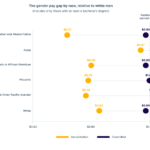
A particularly insidious form of anti-feminism is the argument that feminism has already achieved its goals and is therefore no longer necessary. This claim often rests on superficial observations, such as the increasing number of women in certain professions or the presence of female politicians. However, it ignores the deep-seated structural inequalities that continue to exist, as well as the subtle biases that perpetuate gender stereotypes. The glass ceiling, the gender pay gap, the underrepresentation of women in leadership positions, and the pervasiveness of sexual harassment and assault are all stark reminders that the fight for gender equality is far from over. To declare feminism obsolete is to deny the lived realities of millions of women around the world.
The anti-feminist narrative often paints feminists as angry, man-hating harpies who seek to undermine traditional masculinity and destroy the family. This caricature serves to discredit feminism and dissuade women from identifying with the movement. It is a deliberate attempt to polarize the debate and create a false dichotomy between “feminists” and “normal women.” This strategy is particularly effective because it plays on societal anxieties about changing gender roles and the perceived threat to traditional family structures. By demonizing feminism, anti-feminists aim to maintain the status quo and prevent women from challenging the existing power dynamics.
The rise of online spaces has provided a fertile ground for the proliferation of anti-feminist rhetoric. Online forums, social media platforms, and comment sections are often breeding grounds for misogyny, hate speech, and cyberbullying directed at women. The anonymity afforded by the internet emboldens individuals to express views that they might otherwise keep to themselves, creating a toxic environment where women are routinely subjected to harassment and abuse. This online culture of misogyny not only harms individual women but also contributes to the broader normalization of anti-feminist sentiment.
Anti-feminism is not merely a fringe ideology; it is deeply embedded in our culture, often masquerading as common sense or traditional wisdom. It is perpetuated through media representations, educational curricula, and everyday interactions. It shapes our perceptions of gender, influences our expectations of women, and ultimately limits their opportunities. Addressing anti-feminism requires a multifaceted approach that challenges these ingrained biases and promotes a more equitable and inclusive society.
One crucial step is to challenge the stereotypes and caricatures that are used to demonize feminism. It is important to highlight the diversity of feminist perspectives and to emphasize the common goal of achieving gender equality. Education plays a critical role in this process. By incorporating feminist perspectives into educational curricula, we can help young people develop a more nuanced understanding of gender and its impact on society. We must also teach critical thinking skills so that individuals can identify and challenge sexist stereotypes and biases in the media and in their everyday lives.
It is also crucial to address the economic inequalities that underpin gender inequality. The gender pay gap, the lack of affordable childcare, and the unequal burden of caregiving responsibilities all contribute to women’s economic vulnerability. By advocating for policies such as equal pay, paid family leave, and affordable childcare, we can create a more level playing field for women and empower them to achieve economic independence.
Finally, it is essential to address the issue of gender-based violence. Violence against women is a pervasive problem that affects women of all ages, races, and socioeconomic backgrounds. It is a manifestation of patriarchal power and control, and it serves to silence and intimidate women. By raising awareness about gender-based violence, supporting survivors, and holding perpetrators accountable, we can create a safer and more just society for all.
Ultimately, dismantling anti-feminism requires a fundamental shift in societal attitudes and beliefs. It requires us to challenge the ingrained biases that perpetuate gender inequality and to embrace a more equitable and inclusive vision of the future. It requires us to recognize that gender equality is not just a women’s issue; it is a human issue that benefits everyone. A world where women are empowered to reach their full potential is a world where everyone thrives. This transformation will not be easy, it demands unwavering commitment, relentless activism, and a refusal to be silenced in the face of opposition.
Anti-feminism, in its essence, represents a fear of the unknown, a resistance to change, and a clinging to outdated power structures. It is a testament to the deeply ingrained nature of patriarchy and the challenges that lie ahead in the fight for gender equality. But by understanding the complex dynamics of anti-feminism, we can better equip ourselves to confront it, challenge it, and ultimately dismantle it, paving the way for a more just and equitable world for all.






Leave a Comment