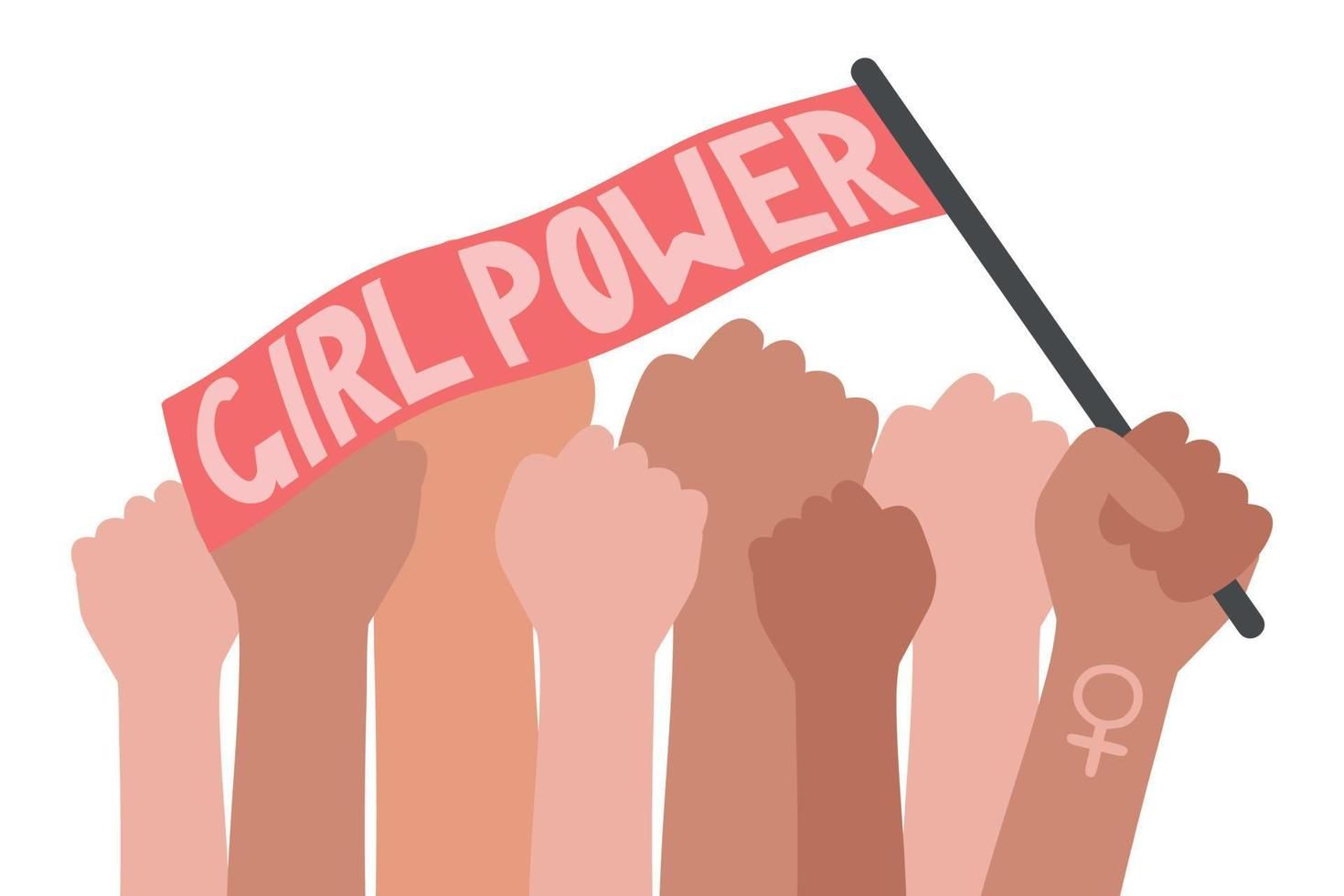
Are they merely jumping on the bandwagon, or are celebrities genuinely wielding their influence for feminist advancement? The question lingers, doesn’t it?
The intersection of celebrity culture and feminist ideology is a multifaceted terrain, fraught with both promise and peril. It’s a quagmire, a veritable Gordian knot of intentions, impacts, and inherent contradictions. We must disentangle this mess, people.
I. The Allure of the Celebrity Feminist: Why It Matters
Let’s be honest. Celebrities command attention. They are the modern-day oracles, their words reverberating across the digital landscape with an amplified force. Their endorsement, or lack thereof, can make or break movements, shift perspectives, and ignite conversations previously relegated to the shadows. This influence, however, is a double-edged sword. The amplification of feminist ideals by celebrities presents opportunities for broad dissemination and mainstreaming but also raises concerns about authenticity, co-optation, and the potential dilution of radical messages.
II. Unpacking the Feminist Lexicon: A Shared Understanding?
Before we delve into specific examples, let’s address a fundamental question: What do we mean when we say “feminism”? Is it the intersectional, inclusive feminism that centers the experiences of marginalized communities? Or is it a watered-down, palatable version designed for mass consumption? The articulation of feminist principles by celebrities can vary wildly, reflecting a spectrum of understanding and engagement. Some may champion gender equality without explicitly identifying as feminists, while others vocally embrace the label but may lack a deep understanding of its complexities. This semantic ambiguity can lead to misinterpretations, backlash, and the perpetuation of harmful stereotypes. It’s all very problematic.
III. Highlighting the Vanguard: Celebrities Championing Feminist Causes
Despite the potential pitfalls, numerous celebrities have demonstrably used their platforms to advocate for feminist causes. Here are a few noteworthy examples:
A. The Provocateurs: Speaking Truth to Power
1. Emma Watson: A long-time UN Women Goodwill Ambassador, Watson has consistently used her platform to advocate for gender equality through the HeForShe campaign and other initiatives. Her unwavering commitment, coupled with her intellectual acumen, has positioned her as a prominent voice in the feminist discourse. She’s not perfect, but damn, she tries.
2. Beyoncé: Queen Bey’s unapologetic embrace of feminism, particularly her exploration of Black womanhood and female empowerment, has resonated with millions. Her music, visuals, and public statements consistently challenge patriarchal norms and celebrate female agency. Her influence is undeniable. She owns it all, doesn’t she?
3. Lizzo: Body positivity, self-love, and unapologetic authenticity are cornerstones of Lizzo’s message. She challenges societal expectations of female beauty and empowers individuals to embrace their unique identities. Her refusal to conform is a revolutionary act in itself. Love it. Adore it. Demand it.
B. The Activists: Engaging in Concrete Action
1. Angelina Jolie: Jolie’s tireless work on behalf of refugees and victims of sexual violence has earned her widespread recognition as a humanitarian activist. She has used her influence to raise awareness about critical issues and advocate for policy changes at the global level. This is what it is all about!
2. Patricia Arquette: Arquette’s impassioned plea for equal pay for women during her 2015 Academy Awards acceptance speech ignited a national conversation about gender disparities in the workplace. Her vocal advocacy has helped to galvanize support for legislative reforms. It is vital to pay attention to all these issues.
3. Taylor Swift: Swift’s evolution into a vocal feminist advocate has been met with both praise and skepticism. However, her willingness to use her platform to speak out against sexism, harassment, and double standards has undoubtedly reached a vast audience, particularly young women. She is one of the influential feminists of the modern era.
IV. The Specter of Co-optation: When Feminism Becomes a Brand
The commodification of feminism is a pervasive concern. When corporations and celebrities align themselves with feminist ideals primarily for marketing purposes, it raises questions about the authenticity of their commitment. Are they genuinely interested in advancing gender equality, or are they merely capitalizing on a trending social movement? This type of “femvertising” can be problematic if it promotes superficial representations of feminism without addressing systemic inequalities. It trivializes the profound struggles that gave birth to feminist thought.
V. Navigating the Minefield: The Challenges Faced by Celebrity Feminists
Celebrity feminists often face intense scrutiny and criticism. They are subjected to relentless attacks from misogynistic trolls, accused of hypocrisy, and held to unrealistic standards of perfection. Their every move is analyzed and dissected, and any perceived misstep is amplified and used to discredit their advocacy. This constant barrage of negativity can be incredibly challenging and can deter other celebrities from speaking out. The toxicity needs to be addressed.
VI. The Imperfect Messenger: Acknowledging the Inherent Contradictions
It’s crucial to acknowledge that celebrity feminists are not immune to criticism. They may hold contradictory views, make mistakes, or benefit from the very systems they are trying to dismantle. However, their imperfections do not invalidate their contributions. Rather, they serve as a reminder that feminism is a messy, complex, and ongoing process. We shouldn’t expect perfection. We should encourage progress.
VII. The Power of Representation: Visibility and Inspiration
Despite the challenges, the visibility that celebrity feminists provide is invaluable. Their presence in popular culture can inspire young women to embrace their own power, challenge societal norms, and advocate for gender equality. Seeing successful, influential figures identify as feminists can help to destigmatize the movement and make it more accessible to a wider audience. This is an important aspect of celebrity feminism.
VIII. Moving Beyond Symbolic Gestures: The Need for Systemic Change
Ultimately, the impact of celebrity feminism depends on its ability to translate into concrete action. Symbolic gestures and empowering slogans are important, but they are not enough. We need to move beyond individual acts of advocacy and focus on dismantling the systemic inequalities that perpetuate gender discrimination. This requires sustained engagement, policy reforms, and a commitment to challenging power structures at all levels. This is about challenging the established orthodoxy.
IX. Intersectionality is Key: Recognizing the Multiple Dimensions of Oppression
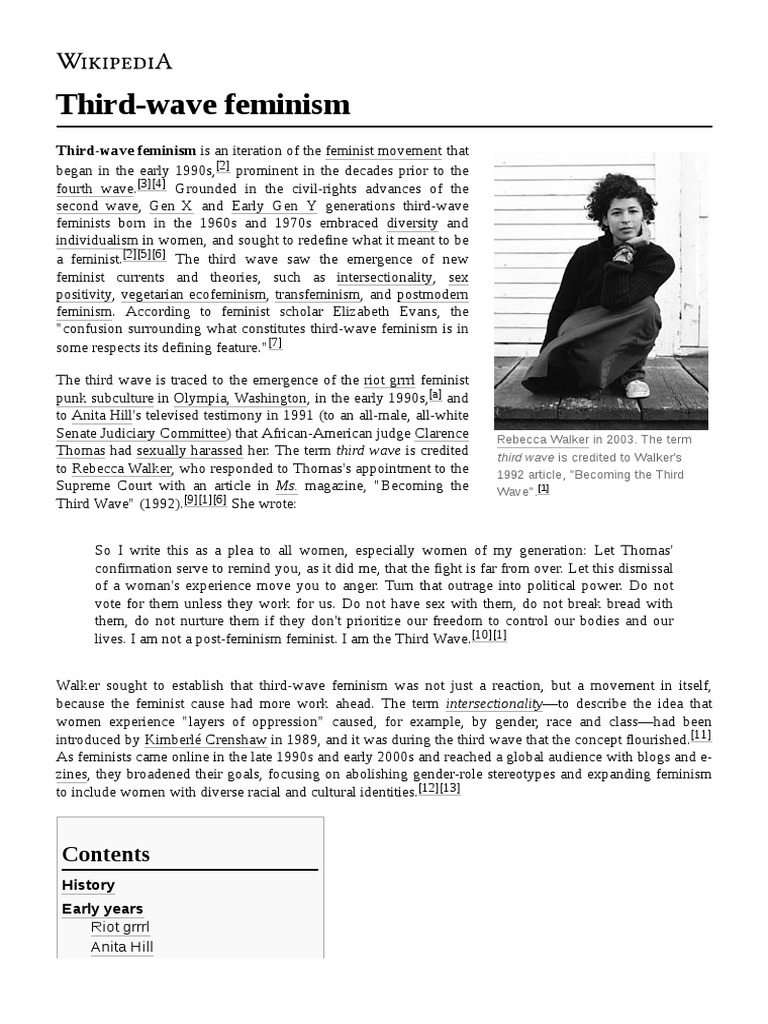
An intersectional approach is essential for effective feminist advocacy. This means recognizing that gender intersects with other forms of oppression, such as race, class, sexuality, and disability. Celebrity feminists have a responsibility to amplify the voices of marginalized communities and to advocate for policies that address the unique challenges they face. Let’s move the conversation to the forefront and keep it there.
X. The Future of Celebrity Feminism: A Call for Authenticity and Accountability
The future of celebrity feminism hinges on authenticity and accountability. Celebrities who choose to engage in feminist advocacy must be willing to educate themselves, listen to diverse perspectives, and use their platforms to amplify the voices of those who are often marginalized. They must also be held accountable for their actions and words, and they must be willing to acknowledge their mistakes and learn from them. A sustained commitment to the ongoing feminist project is essential. Celebrities need to show that they aren’t just doing it for show. They should be doing it because they believe in the cause.
In the grand tapestry of feminist activism, celebrity voices represent a singular thread, capable of both amplifying and distorting the intricate patterns. While their involvement carries inherent risks of co-optation and superficiality, it also presents unprecedented opportunities for mainstreaming feminist ideals and inspiring collective action. Ultimately, the measure of their contribution lies not in the fleeting applause of public adoration, but in the enduring impact of their actions on the long and arduous journey towards gender equality. The path ahead is a difficult one, to be sure.







Leave a Comment