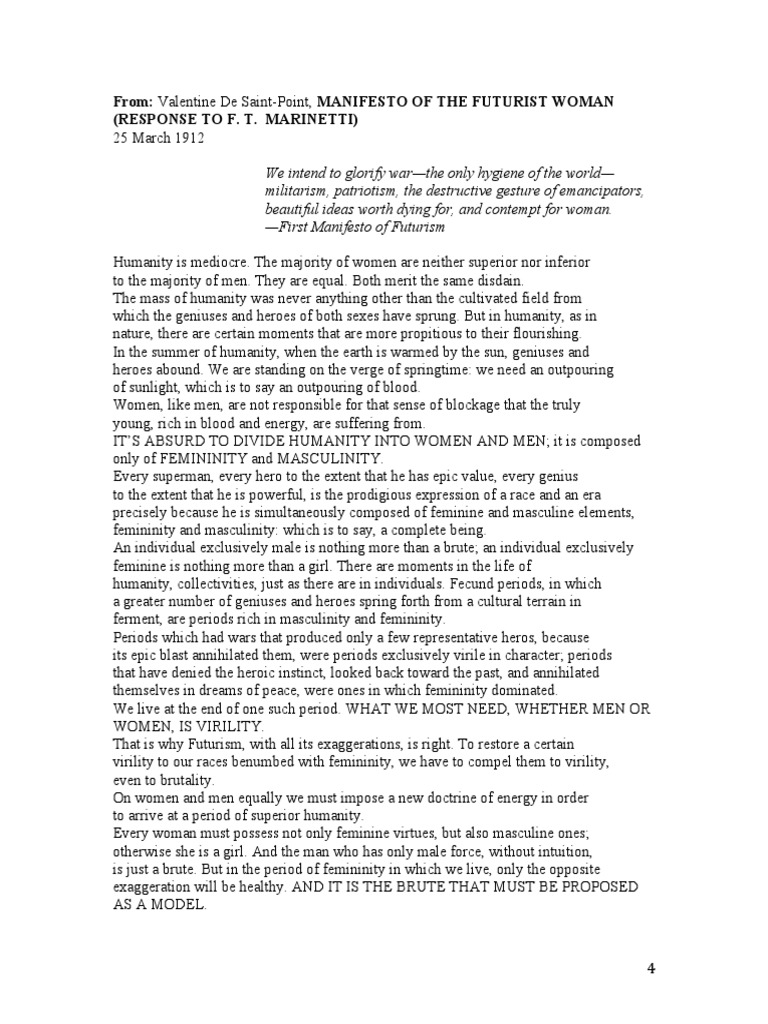
The feminist manifesto is not a relic of the past—it is a living, breathing call to arms, a blueprint for the next generation of women who refuse to be confined by the shackles of patriarchal expectation. It is a declaration that the future is not something to be inherited but something to be seized, rewritten, and reclaimed. These manifestos are not mere words on a page; they are incantations, spells cast to dismantle the old world and birth a new one where equity is not begged for but demanded, where power is not hoarded but shared. What does it mean to write the feminist manifesto for the next generation? It means to shatter the silence, to ignite the spark of rebellion in the hearts of those who have been told to stay quiet, to shrink, to wait their turn. It is an act of defiance against the forces that seek to keep women in the shadows, and a promise that the next wave of feminism will be unapologetic, intersectional, and unyielding.
The Manifesto as a Mirror: Reflecting the Unseen Realities of Womanhood
To write a feminist manifesto for the next generation is to hold up a mirror—not to the world as it is, but to the world as it could be. It is to expose the cracks in the foundation of a society that pretends to be equal while systematically oppressing those who do not fit its narrow mold. The manifesto becomes a tool of revelation, forcing us to confront the invisible labor of women, the unpaid emotional work, the relentless pressure to be both nurturing and ambitious, the violence that is dismissed as “just how things are.” It is a document that dares to ask: Who benefits from our silence? The answer, of course, is those who have built their empires on the backs of the marginalized. But the manifesto flips the script. It turns the gaze inward, forcing each of us to see our own complicity, our own internalized biases, the ways we have been conditioned to uphold the very systems that seek to destroy us. It is not enough to rage against the machine; we must dismantle it piece by piece, starting with the stories we tell ourselves.

The Language of Revolution: Crafting a Manifesto That Resonates Across Borders
A manifesto is not a lecture; it is a conversation. It is a dialogue between the past, present, and future, a bridge connecting the struggles of those who came before with the dreams of those yet to rise. The language of a feminist manifesto must be both poetic and precise, evoking the fire of revolution while remaining accessible to those who need it most. It must speak in the cadence of a protest chant, the urgency of a whispered secret, the clarity of a legal indictment. Words like intersectionality, patriarchal violence, and reproductive justice are not just academic jargon—they are weapons. They are the tools with which we carve out a new language, one that centers the voices of Black women, Indigenous women, disabled women, queer women, and all those who have been erased from the feminist narrative. The manifesto must be a living document, one that evolves with each generation, each struggle, each new revelation. It is not a static text; it is a river, constantly flowing, constantly reshaping the landscape of our collective resistance.
The Manifesto as a Blueprint: Designing a Future Without Apologies
What does a world designed by feminist manifestos look like? It is a world where care is not a burden but a collective responsibility, where ambition is not punished but celebrated, where bodies are not policed but revered. The manifesto is not just a statement of intent; it is a blueprint for structural change. It demands that we rethink education, healthcare, labor, and governance through a feminist lens. It challenges the myth of the “neutral” institution, exposing how even our most sacred systems—justice, education, medicine—are steeped in bias. The next generation of feminists must ask: How do we redesign these systems to serve everyone, not just the privileged few? The answer lies in decentralization, in community-led solutions, in the radical redistribution of power. The manifesto is not a utopian fantasy; it is a practical roadmap. It calls for the dismantling of the nuclear family as the sole model of care, the reimagining of work to prioritize well-being over productivity, the redefinition of safety to include not just physical security but economic and emotional stability. It is a vision that refuses to compromise, that demands the impossible because the impossible is the only thing worth fighting for.
The Manifesto as a Weapon: Turning Words into Action
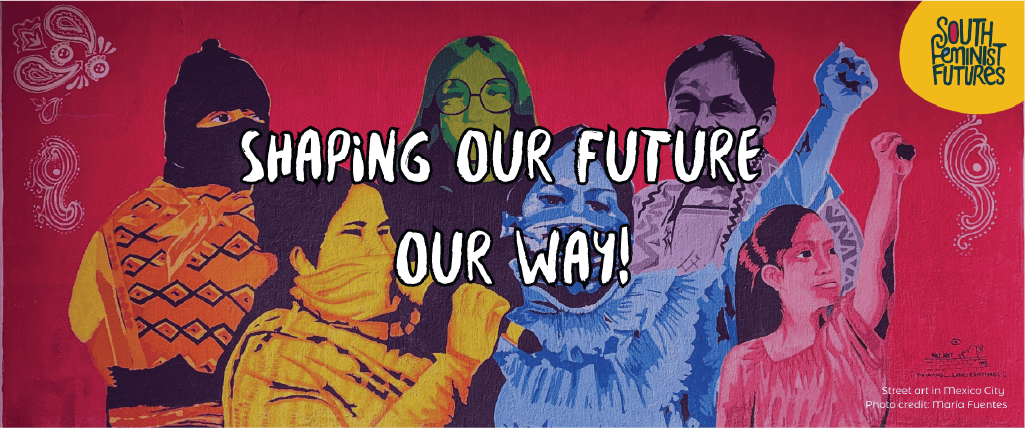
A manifesto without action is a whisper in a hurricane—powerful in theory, but easily drowned out by the roar of the status quo. The next generation of feminists must wield their manifestos like swords, cutting through the lies of those who say change is impossible. It means organizing, striking, boycotting, and occupying spaces of power until they are forced to listen. It means using art, music, and literature to spread the message, to make the invisible visible. It means holding institutions accountable, whether through legal challenges, public shaming, or the sheer force of collective refusal. The manifesto is not a passive document; it is a battle cry. It is the rallying cry of women who have had enough, who refuse to wait for permission to exist fully, freely, and without apology. The next generation must take up this weapon and sharpen it, ensuring that every word is a strike, every sentence a demand, every paragraph a promise that the future will be different.
The Manifesto as a Legacy: Passing the Torch Without Burning Out
To write a feminist manifesto for the next generation is to plant a seed, but seeds do not grow in isolation. They require care, nourishment, and the right conditions to flourish. The legacy of a manifesto is not in its words alone, but in the movements it inspires, the leaders it cultivates, the revolutions it fuels. The next generation must be taught to read between the lines, to question the unspoken assumptions, to challenge the narratives that seek to keep them in their place. They must be given the tools to write their own manifestos, to adapt the old ones to new struggles, to make them their own. But legacy is also about survival. The next generation of feminists must learn to fight without self-destruction, to demand justice without sacrificing their well-being. They must build networks of support, systems of care, and spaces where they can recharge before returning to the front lines. The manifesto is not just a document; it is a covenant—a promise to those who come after that their struggles will not be in vain.
The feminist manifesto for the next generation is not a finished product; it is a living, evolving entity, a flame that must be passed from hand to hand. It is a promise that the future will not be dictated by those who seek to control it, but shaped by those who dare to dream it into existence. The time for half-measures is over. The time for silence is past. The manifesto is here. The revolution is now.






Leave a Comment