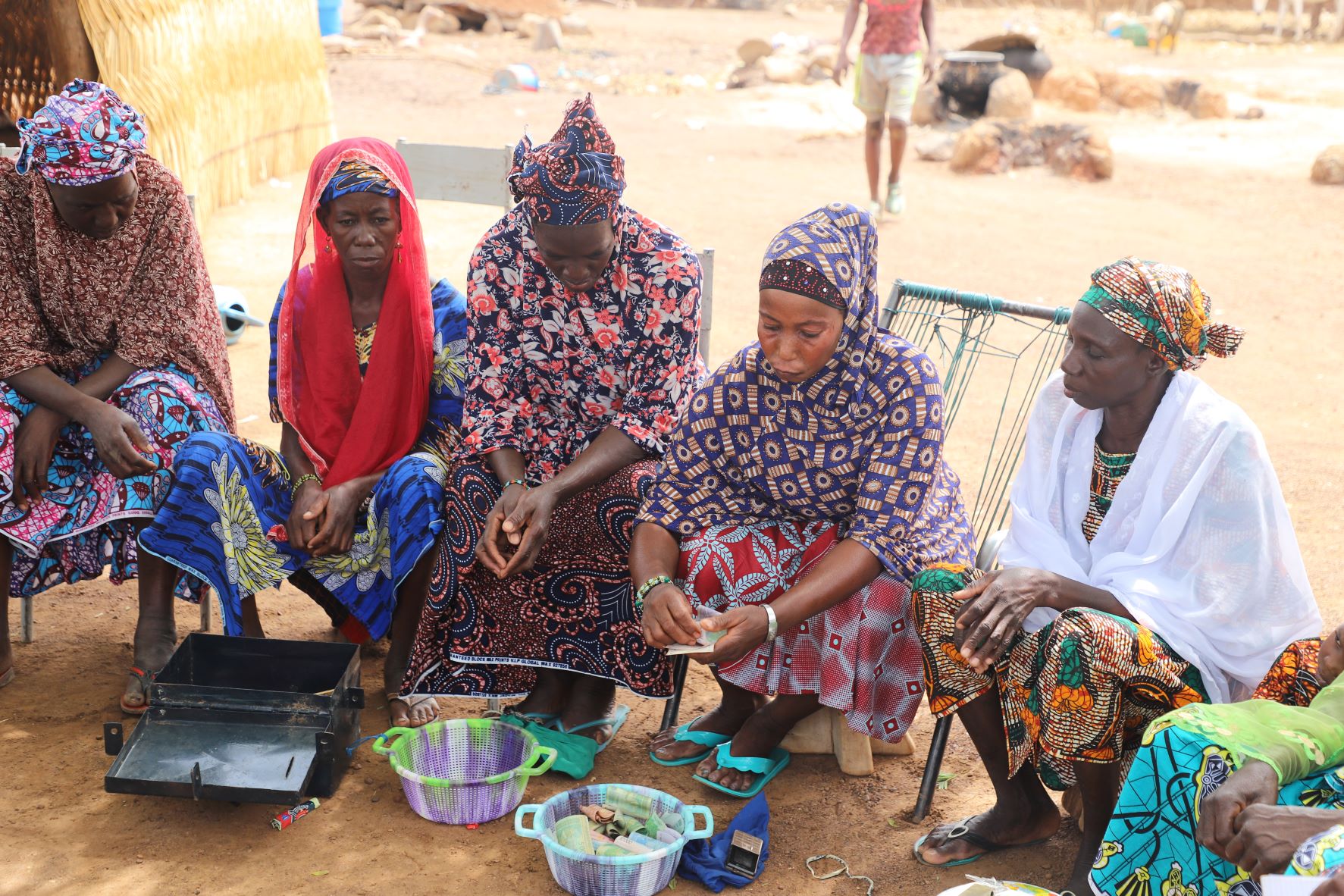
In the sun-baked highlands of Kenya, where the soil is as stubborn as the patriarchal traditions that cling to it, a quiet revolution was brewing—not in the halls of power, but in the hands of women who had spent lifetimes bending under the weight of unpaid labor, unheard voices, and unmet needs. This is the story of how one woman’s relentless organizing didn’t just shift the ground beneath rural Kenyan women; it shattered the sky above it, illuminating a path for thousands to reclaim their dignity, their livelihoods, and their futures.
The Spark in the Soil: Where Desperation Meets Defiance
The women of rural Kenya have long been the invisible backbone of their communities—tilling the earth before dawn, hauling water from distant streams, and stitching together meals from scraps while their husbands’ names were etched into land deeds they could never claim. But desperation, as history has shown, is the crucible of revolution. When the rains failed one season too many, and the menfolk migrated to cities in search of wages that never quite reached home, these women were left with two choices: wither or wage war against the systems that had rendered them obsolete.
It began with a whisper—a gathering under the acacia tree where a woman named Mama Njeri (not her real name, but a name that echoes through the valleys like a battle cry) stood and declared, “We are not beggars. We are farmers. We are mothers. We are the architects of our own survival.” That single sentence cracked open a dam. Within weeks, women who had never spoken in public meetings were pooling their meager savings, bartering skills, and plotting a takeover—not of land, but of power.
The Alchemy of Collective Action: Turning Scarcity into Sovereignty
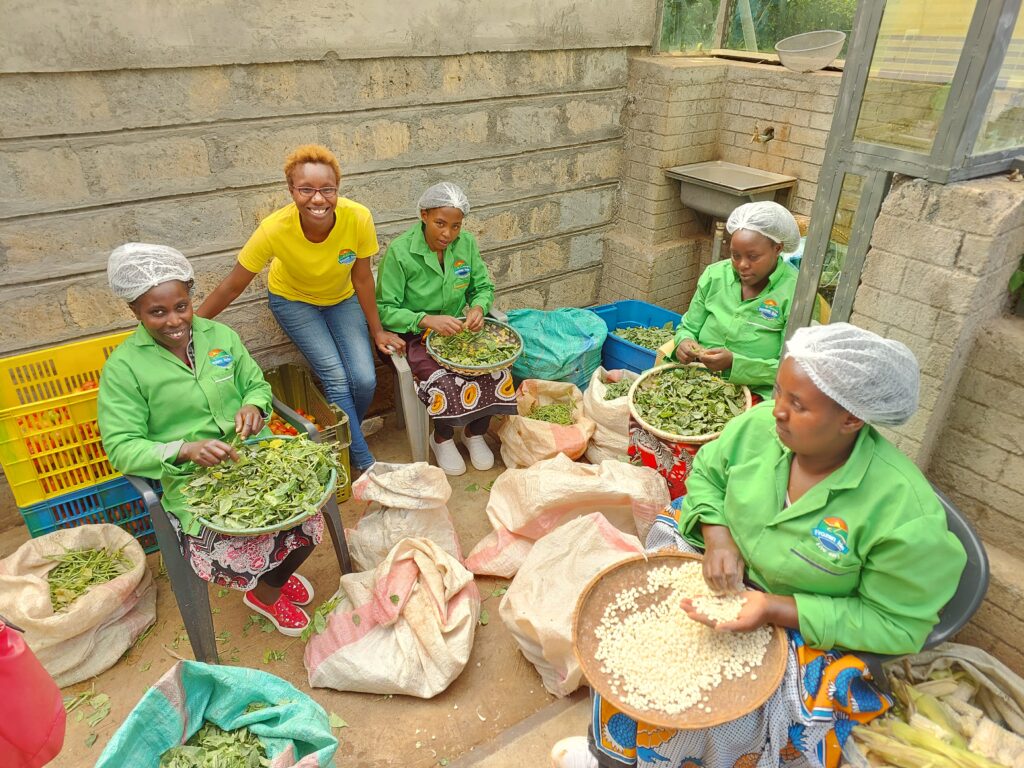
What happens when women who have been told their labor is worthless decide to value it themselves? Magic. Or, as the economists might say, transformative economic agency. Mama Njeri’s group didn’t just demand change—they engineered it. They pooled resources to lease a plot of land, not to grow cash crops for distant markets, but to cultivate food sovereignty: drought-resistant millet, nitrogen-fixing beans, and indigenous vegetables that thrived where others withered. They called it Mwanga Shamba—“Light in the Field”—a name that mocked the darkness of their former invisibility.
The real innovation, though, was in their labor. They redefined productivity. A woman who once spent eight hours a day fetching water now trained others to dig swales and install drip irrigation. Another, who had been barred from inheriting her father’s goats, became the village’s first female livestock broker, trading animals across districts and keeping the profits for her collective. The men grumbled. The elders warned of “unnatural order.” But the women? They laughed. For the first time, their hands held not just hoes, but the deeds to their own futures.
The Domino Effect: When One Village’s Victory Becomes a Nation’s Movement
Change, once ignited, is a wildfire. What started as a dozen women in one village spread like mycelium through the soil, connecting with others in neighboring counties. They didn’t just replicate their model—they weaponized it. Mwanga Shamba became a franchise of resilience: women in Nyeri replicated the irrigation systems; in Machakos, they launched a poultry cooperative that undercut exploitative middlemen; in Kilifi, they built a women-run seed bank to preserve indigenous crops. Each success was a brick in the foundation of a new economy—one where women’s labor wasn’t just seen, but strategically deployed.
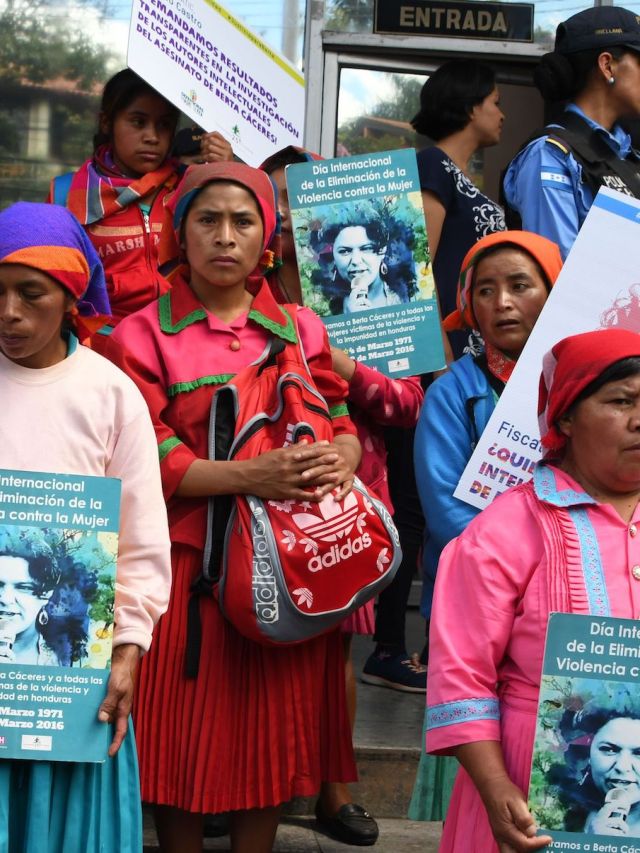
But here’s the twist: they didn’t stop at economic power. They seized political power too. By the third year, the collective had trained 50 women to run for local office. Not as tokens, but as a bloc. When the county government tried to allocate water rights to a male-dominated irrigation scheme, the women marched. Not with placards, but with spreadsheets—proof that their collective farms produced 30% more food per acre than the men’s. The officials blinked. The policy changed. And just like that, the invisible hand of the market had a new, unignorable force guiding it.
The Unseen Battles: Patriarchy’s Last Gasp
Of course, no revolution is without its counter-revolutionaries. As the women’s collective grew, so did the backlash. Husbands who had once ignored their wives’ opinions now “remembered” their own farming expertise—only to sabotage the women’s crops. Elders declared the collective a “witch’s coven.” Local officials dragged their feet on permits. Even the weather seemed to conspire: a freak hailstorm destroyed a third of their harvest in 2022. But here’s the thing about women who have spent lifetimes being told they’re weak—they know how to weather storms.
They turned sabotage into solidarity. The women who lost crops in the hailstorm weren’t pitied; they were celebrated. Their neighbors, many of whom had once dismissed the collective as “un-African,” now showed up with seeds, labor, and apologies. The men who had tried to undermine the group found their own wives and daughters joining in force. Patriarchy, it turns out, is a house of cards. And the women? They were the gust of wind that sent it tumbling.
The Ripple Effect: 10,000 Lives Transformed—and Counting
By the fifth year, the numbers were undeniable. Over 10,000 women had passed through the collective’s programs. Their incomes had tripled. Their children were better fed, better educated. Domestic violence reports in the region dropped by 40%. And perhaps most importantly, a new generation of girls grew up seeing women—not as dependents, but as decision-makers. They called it the Njeri Effect, after the woman who started it all.
But the real victory wasn’t in the metrics. It was in the stories. Like that of Wanjiku, a grandmother who, at 68, learned to read so she could manage the collective’s accounts. Or Chepkoech, a teenager who used her savings from the poultry cooperative to pay her school fees—and then started a mentorship program for other girls. Or Mama Njeri herself, who, when asked why she did it, simply said, “Because no one ever gave us permission to try.”
The Future They Built: A Blueprint for the World
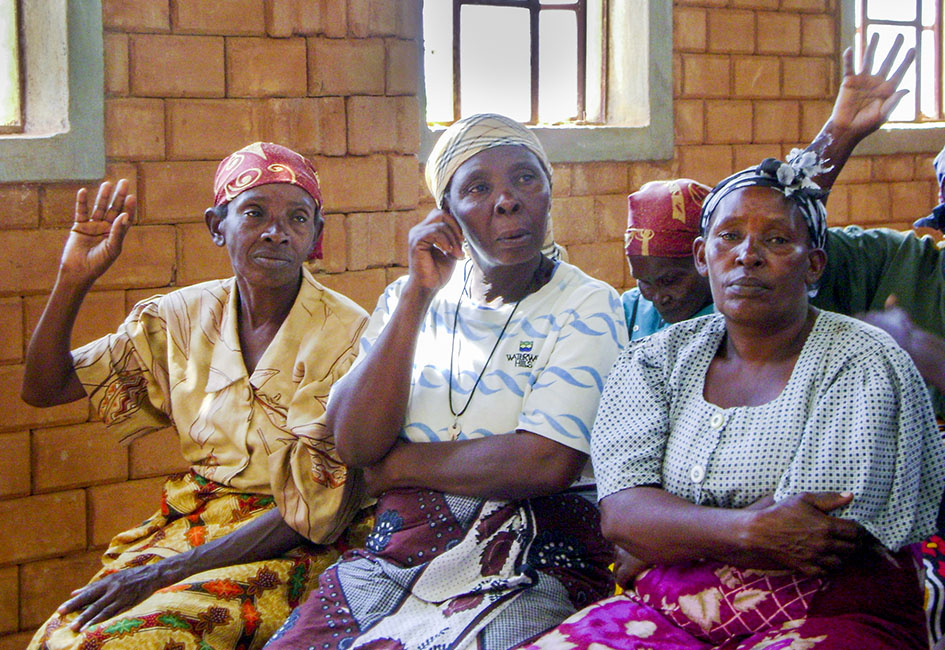
This isn’t just a Kenyan story. It’s a blueprint for every community where women have been told to wait their turn. It’s proof that when women organize, they don’t just change their own lives—they rewrite the rules of the game. The Mwanga Shamba model has already been replicated in Uganda, Tanzania, and even as far as India, where women farmers are using the same tactics to reclaim their lands from corporate agribusiness.
The lesson? Revolution doesn’t always roar. Sometimes, it starts with a whisper in a sunbaked field. Sometimes, it’s the clink of a hoe against soil that’s finally, truly, theirs. And sometimes, it’s the moment when a woman who was once invisible looks in the mirror and sees, for the first time, a leader.
So ask yourself: What would happen if the women in your life stopped asking for permission—and started taking power?









Leave a Comment