
Menstrual equity is no longer a fringe demand whispered in the shadows of social justice forums. It is surging into legislative chambers and public discourse with a fervor demanding attention—and, more importantly, action. For decades, menstruation has been cloaked in stigma, misinformation, and neglect within policymaking. But now, tangible legislation is not just surfacing; it is passing, promising unprecedented shifts in how societies perceive and accommodate the monthly reality faced by billions. This isn’t merely policy progress; it’s a paradigmatic upheaval with the power to dismantle ingrained societal taboos and institutional inequities.
The Concrete Emergence of Menstrual Equity Bills
The seemingly intangible concept of menstrual equity has crystallized into actionable legislative proposals across diverse landscapes. Take, for instance, the recent momentum witnessed in government bodies embracing bills aimed squarely at equity in menstruation-related resources. These bills tackle a gamut of societal inadequacies—from the insidious tax burden on menstrual products to the ubiquitous scarcity of free, accessible sanitary supplies in public domains. No longer theoretical—they are bills that have traversed arduous political gauntlets and are now materializing into enforceable mandates.
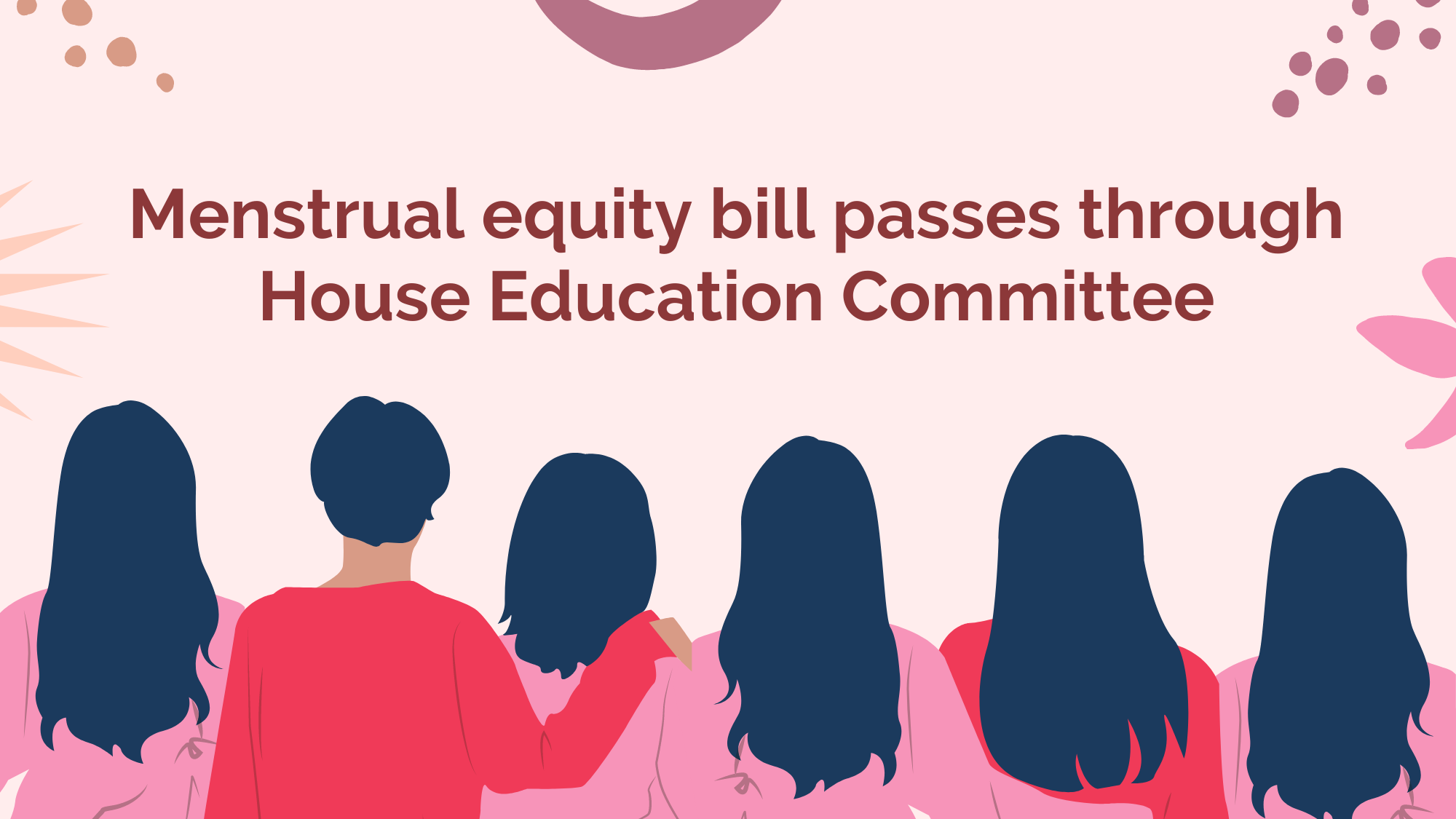
What separates these bills from decades of ignored activism is their passage through crucial legislative gates. In a landscape historically resistant to even acknowledging menstruation in policy, seeing bills progress through education committees signals the tectonic shifts at play. Lawmakers are no longer tiptoeing around the topic but delving headfirst into crafting laws that confront the intersection of health, dignity, and economic justice.
From Margin to Mainstream: The Societal Implications
Menstrual equity legislation isn’t just about sanitary pads and tampons—it’s about rewriting societal narratives. These laws redefine menstruation from a source of shame to a recognized facet of human experience requiring support and normalization. By mandating free or subsidized menstrual products in schools, public facilities, and workplaces, legislation strikes a blow against period poverty—the harsh reality where a lack of access to products marginalizes and excludes millions from full participation in society.
This shift is profound: it signals an acknowledgement that menstruation has socio-economic consequences. It disrupts the pernicious myth that menstrual needs are personal burdens best dealt with privately. Instead, menstruation becomes a collective responsibility, an imperative for social and structural support.
Youth and Education: The Frontline of Change
One of the most transformative arenas for menstrual equity legislation is education. Young people, especially girls, have long borne the brunt of period poverty, leading to absenteeism, shame, and disengagement. Now, laws that integrate menstrual products into schools and educational programs are tackling this head-on.
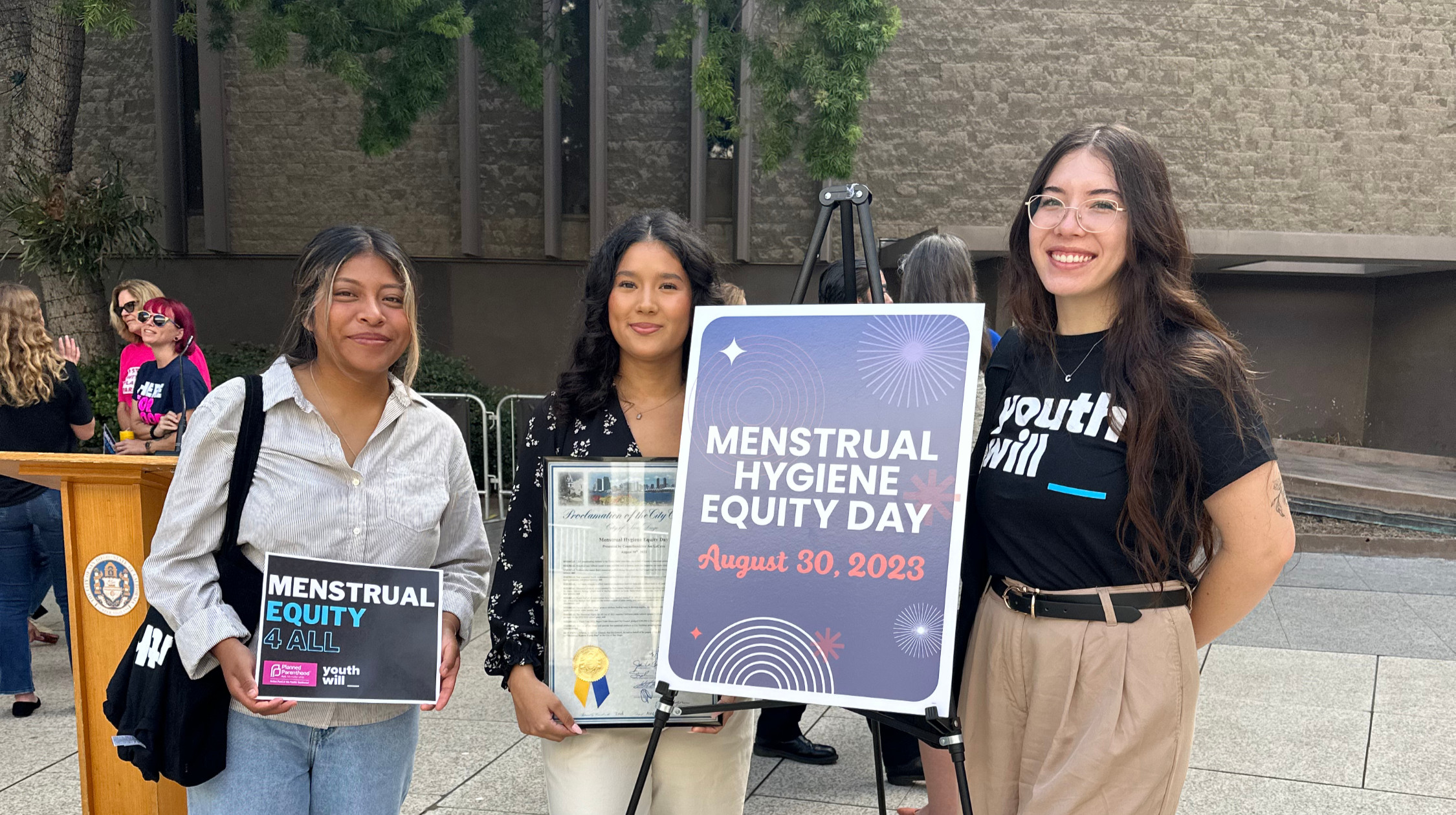
Incorporating menstrual equity into educational frameworks flips the script—from silence and exclusion to confidence and inclusion. It equips students with knowledge, reduces stigma, and actively removes one of the barriers to equal education. Such laws serve as powerful statements, asserting that menstrual health is inseparable from overall wellbeing and academic opportunity.
The Economic Justice Behind Menstrual Equity
To discuss menstrual equity without addressing the economic dynamics is to tell only half the story. Period poverty is inherently an economic justice issue, disproportionately impacting low-income individuals and exacerbating inequalities. Legislative efforts that remove sales tax from menstrual products—often dubbed the “tampon tax”—or that allocate funds for free distribution, directly confront these disparities.
Imagine the cumulative relief when what was once an unavoidable monthly expense is relieved by law. These acts don’t just soften financial burdens; they exacerbate the conversation about dignity being a privilege, challenging policymakers and societies to rethink the commodification of basic health necessities.
A Global Vision: Expanding the Horizon for Menstrual Equity
Menstrual equity legislation is not confined to any single geography or culture. From Asian archipelagos to American heartlands, the movement transcends borders, signaling a global reawakening. As bills are passed and policies enacted across different nations, a cumulative, collective consciousness shifts towards recognizing menstruation as a human rights issue.

Grassroots activism fuels this momentum, leveraging petitions, public campaigns, and advocacy to pressurize governments into action. This synchronization of local urgency with international solidarity creates fertile ground for legislative victories, magnifying the impact far beyond any single nation’s borders.
Beyond the Bill: The Unfinished Journey Towards True Equity
Passing legislation is monumental—but it is only the genesis of a larger struggle. Implementation, funding, and continuous evaluation of menstrual equity policies determine their real-world effectiveness. Moreover, dismantling deep-seated taboos requires sustained cultural shifts alongside legal reforms.
The path ahead demands vigilance against complacency. It calls for expanding conversations to include transgender and non-binary menstruators, ensuring inclusivity does not become an afterthought. Real equity mandates intersectionality—a legislative and societal embrace of all who menstruate, across gender identities and economic realities.
The Ripples of Change: What This Means for Future Generations
The legislation passing today reverberates far beyond immediate constituencies. It constructs new frameworks for dignity, justice, and empathy. It educates communities, empowers marginalized voices, and sets precedents in human rights and health equity. The ripple effect will be witnessed in future generations who might one day live in a world where menstruation no longer dictates access to education, employment, or societal participation.
In accepting menstruation as a communal responsibility, societies carve a path toward dismantling other systemic inequities—illuminating a future where human biology is not weaponized by poverty or prejudice, but embraced with the fairness it warrants.







Leave a Comment