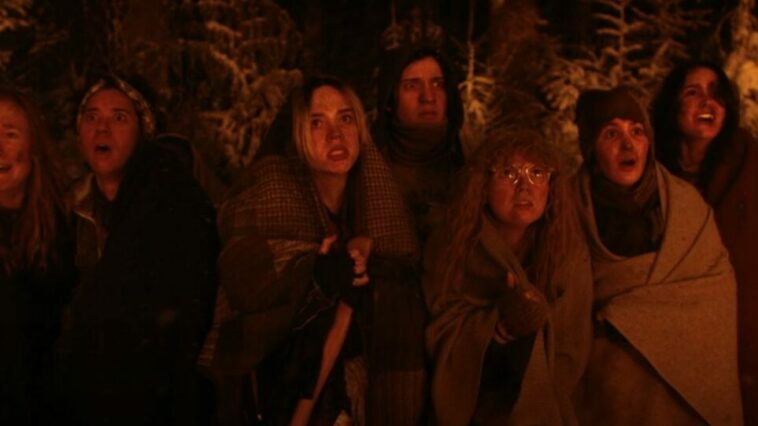
In a media landscape saturated with superficial portrayals of women, “Yellowjackets” emerges as a visceral, unyielding narrative that fuses horror with a radical feminist ethos. It offers more than the usual tropes of female vulnerability or victimization; instead, it excavates the labyrinthine psychology of women forced into extremity. The series captures a relentless, haunting exploration of survival, power, and identity, interrogating why society remains simultaneously fascinated and terrified by complex female experiences. This is not mere horror—it’s feminist reclamation, a meticulous deconstruction of the archetypes that have long constrained women in genre fiction.
Unraveling the Social Fabric: Female Survival Beyond the Predator-Prey Paradigm
Typically, horror frames women as prey—helpless, secondary, or symbolic of purity to be violated or saved. “Yellowjackets” shatters this reductive paradigm by positing women as both hunted and hunter, survivors whose evolution defies simplistic moral binaries. Stranded and isolated, the young women are thrust into a crucible where societal norms dissolve into primal necessity. Their traumatic transformation is neither sanitized nor glamorized; it is raw, unrelenting, and exquisitely layered.
This narrative rejects the ingrained notion that feminine strength must be palatable or performative. Instead, it ventures boldly into darker territories—cannibalism, savagery, and power struggles—reflecting a profound truth: real survival demands the abandonment of prescribed submissiveness. In this harsh microcosm, the women’s metamorphoses reveal society’s terror not of female savagery itself, but of female autonomy and rebellion against patriarchal strictures.

The Fascination with Female Cannibalism: A Haunting Metaphor for Consumption and Power
Cannibalism, in feminist horror, transcends mere shock value; it is a potent metaphor for consumption—both literal and symbolic. The female cannibal serves as an uncanny critique of societal appetites and power dynamics. “Yellowjackets” deftly harnesses this motif to expose how women have been historically ‘consumed’ by culture, their bodies and narratives devoured and repurposed to satisfy patriarchal desires.
In the context of the series, cannibalism becomes a site of inversion: rather than being devoured, the women reclaim agency through acts that blur the lines between victim and aggressor. The grotesque imagery shocks viewers into confronting uncomfortable truths about female power—the way it is feared, demonized, yet alluringly enigmatic. This underscores a collective psychological ambivalence; society recoils at women who reject passivity yet remains mesmerized by their disruptive potential.

Multifaceted Identities and the Intersectionality of Trauma
The horror genre has long struggled with authentic representation beyond cliché, especially concerning women’s intersectional identities. “Yellowjackets” dares to complicate its characters with rich backstories, conflicting desires, and deep-seated traumas shaped by sociocultural forces. It refuses the flattened female archetypes often relegated to supporting roles or symbolic functions.
Each character embodies a nexus of pain, resilience, and contradiction. Their survival narrative is inseparable from their individual intersections of class, race, and gender expectations. This layered storytelling not only dismantles the myth of a monolithic female experience but also roots their horror within palpable socio-political contexts. The trauma they endure is not merely physical but emblematic of systemic violences that echo beyond the isolated wilderness.
Subversion of Female Friendship and Power Structures
One of the show’s most compelling aspects is its unflinching depiction of female relationships—fierce, fraught, and far from saccharine. Unlike the typical infantilization or tokenistic portrayal of female camaraderie, “Yellowjackets” excavates the brutal complexities underlying survival-fueled alliances. Power is transient, trust is scarce, and betrayals are both weapon and shield.
By spotlighting these dynamics, the narrative refuses easy resolutions or redemptions often imposed on female characters. It captures a kaleidoscope of emotional entanglements, exploring how women negotiate power within oppressive systems and their own fractured psyches. This subversion dismantles the myth of inherent female solidarity, replacing it with a realistic, often uncomfortable interrogation of competition, loyalty, and identity.
Why the Cultural Zeitgeist Embraces Feminist Horror Now
The rising popularity of “Yellowjackets” signals a profound cultural shift; viewers crave narratives that reject sanitized femininity and embrace complexity, chaos, and contradiction. This zeitgeist reflects growing awareness and rejection of patriarchal norms in broader society—a hunger for stories that validate women’s multifaceted realities, including their darkness and moral ambiguity.
Feminist horror offers a mirror to societal anxieties about changing gender roles and power dynamics. It exposes how the collective psyche wrestles with liberating female agency while fearing its full implications. The fascination with such narratives reveals a deeper, often unconscious reckoning—a betwixt regard of admiration and dread—for women who reject prescribed limits and carve spaces of their own making amid destruction.
Conclusion: Embracing the Discomfort We Have Long Avoided
“Yellowjackets” isn’t just entertainment; it is an incisive cultural commentary that compels us to confront uncomfortable realities about femininity, power, and survival. It disrupts the carefully maintained illusions of ‘acceptable’ female behavior and invites viewers into a world where women are as morally complex and frightfully resilient as any male protagonist has ever been allowed to be.
The feminist horror we needed is not polite or pretty; it’s a roaring manifesto against erasure and oversimplification. It is a reclamation of horror as a genre where women can wield fear, desire, and violence on their own terms. In embracing this, we allow for a more authentic reckoning with the female experience in all its darkness, ferocity, and indomitable spirit.





Leave a Comment