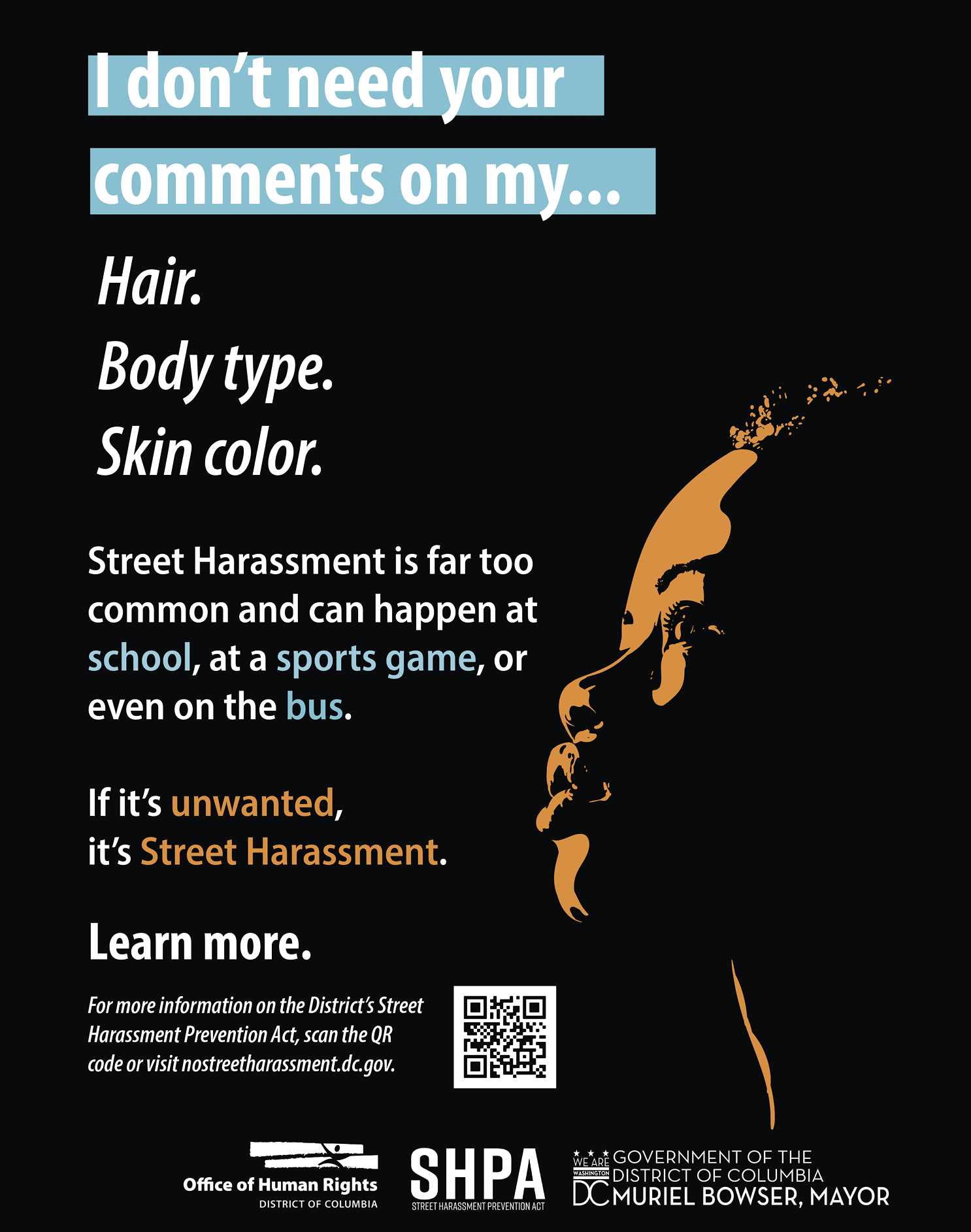
Street harassment has long been the invisible thread weaving fear and violation into the very fabric of public spaces. Like a persistent shadow lurking just beyond the lamplight, it defies easy confrontation and legal reckoning. Yet, the winds of change are stirring, and at last, this societal blight is being wrested from the realm of tolerated nuisances into the sphere of criminality. The criminalization of street harassment marks not only a legal pivot but a revolutionary reclaiming of bodily autonomy and dignity in the commons.
The Lingering Presence of an Invisible Oppressor
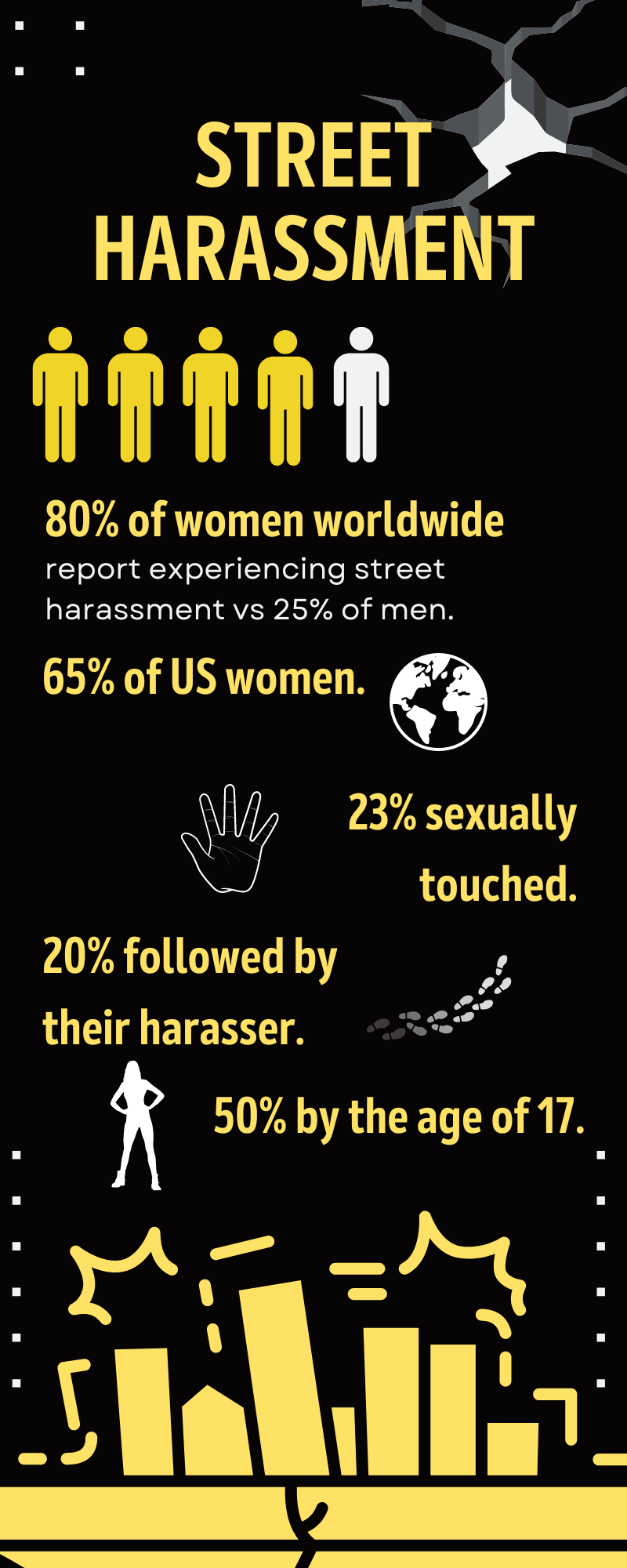
Street harassment is a specter that haunts sidewalks, parks, and subways—its manifestations ranging from lewd whistles to frighteningly explicit remarks. It is an ever-present assault, insidiously eroding the sense of safety and freedom that everyone deserves. While invisible to many, its impact is visceral and permanent for those forced to endure it daily. This form of public violation is not just an annoyance; it is the insidious graffiti on the walls of public life that whispers, “You do not belong here.”
From Social Taboo to Legal Accountability
For decades, street harassment lurked in a nebulous grey zone—enough to elicit collective eye-rolls or gasps of discomfort, but rarely enough to provoke formal action. The law is a sluggish leviathan, often outpaced by social realities. Yet, the evolving legal frameworks now reflect a seismic shift, catching up with experiences long relegated to the margins. This criminalization is more than punitive; it is symbolic. It pushes back against a culture of dismissiveness, transforming whispered complaints into legitimate claims of harm and injustice.
New statutes redefine harassment as not simply unwelcome words but as acts of violence—psychological invasions that assault autonomy. The power of criminalization lies in its recognition of the victim’s authority and the perpetrator’s accountability, dismantling societal complicity one statute at a time.
Reclaiming Public Spaces as Sanctuaries, Not Battlegrounds
Public spaces should be forums of freedom—unfixtured theaters where every individual performs their daily lives with unrestrained ease. Street harassment fractures this ideal by transforming these arenas into hostile arenas. It erects invisible barricades that confine victims to a shadowed existence, persistently surveilled and judged.
Criminalization is an act of spatial justice. It chisel cracks in the oppressive structures that allow harassment to thrive, and begins the laborious process of reclaiming streets, parks, and transit systems. It is not merely about punishment; it is about restoring the sanctity of public life, ensuring no one bears the psychological toll of walking through a minefield of verbal aggression.

The Feminist Insurgence: Driving Legal Reforms
The feminist movement has been the relentless undercurrent fueling the tide of reform. Activists and survivors have transformed personal incidents into collective outcries, harnessing their stories to illuminate the ubiquity and severity of street harassment. These narratives have pierced apathy and inscribed urgency into the public consciousness. Feminism’s insistence on bodily autonomy and respectful coexistence undergirds the legal transformation. It rejects the normalization of harassment as a fact of life, casting light on the corrosive effects of patriarchal entitlement that justify such violations.
This insurgence is strategic, intersectional, and uncompromising. It demands laws that do more than scratch the surface—statutes that actively deter, educate, and support victims. The feminist impetus ensures that criminalization is not a hollow gesture but a meaningful paradigm shift.
Challenges and Controversies in Criminalizing Street Harassment
Legislating the illusive boundaries of speech and behavior in public spaces is fraught with complexities. Critics argue about the risks of over-criminalization and the potential infringement on free expression. Yet, these concerns often ignore the asymmetric power dynamics at play and the lived realities of victims.
The implementation of these laws must tread carefully, designing enforcement mechanisms that prevent misuse while delivering justice. There is also a critical need for public education campaigns to accompany legal reforms, dismantling cultural complicity and highlighting respectful interactions as a societal norm rather than an exception.
The Road Ahead: Towards a Culture of Respect and Safety
Criminalizing street harassment is but the first act in a longer drama—a prologue to a society where respect is the unchallenged law of the land. It demands relentless enforcement, judicial sensitivity, and continuous public discourse. It also invites a more profound cultural awakening—one where harassment is neither dismissed nor trivialized but recognized as an assault on human dignity.
Ultimately, criminalization reflects a collective refusal to let fear dictate where and how individuals move through the world. It is a promise that the streets will no longer echo with unwanted invective but resonate with freedom, equality, and mutual respect.









Leave a Comment