Every dinner party, every casual get-together, almost ritualistically unveils the same tired script: “We share parenting equally now.” It’s the mantra we recite with conviction, the reassuring tale we tell ourselves and others to mask the uncomfortable truths lurking beneath the surface of our households. Parenting equality, in reality, is less a lived experience and more an aspirational myth—an elegant fiction we craft to smooth over cracks in our modern family narratives. But what if this narrative is not just incomplete, but fundamentally deceptive? It’s time to unpack this grand illusion and expose the undercurrents that keep it afloat.
The Polished Surface: How We Perform Parenting Equality
At first glance, the shift toward shared parenting roles seems apparent. Men change diapers, women attend board meetings, and household chores are—supposedly—divided with clinical precision. Yet, this polished image is often just an elaborate performance conducted for social approval. The “parenting equality” we celebrate at brunches and dinner tables is frequently a curated highlight reel, an image crafted to depict modernity and fairness.
Behind closed doors, however, the pendulum rarely swings evenly. Women still disproportionately shoulder the bulk of emotional labor: the mental juggling of appointments, meal planning, school projects, and the infinite small decisions that sustain family life. This inequity is not merely a statistic, but a lived, exhausting reality that remains hidden beneath cheerful declarations of “we share everything.”

The Emotional Chasm: The Invisible Labor No One Talks About
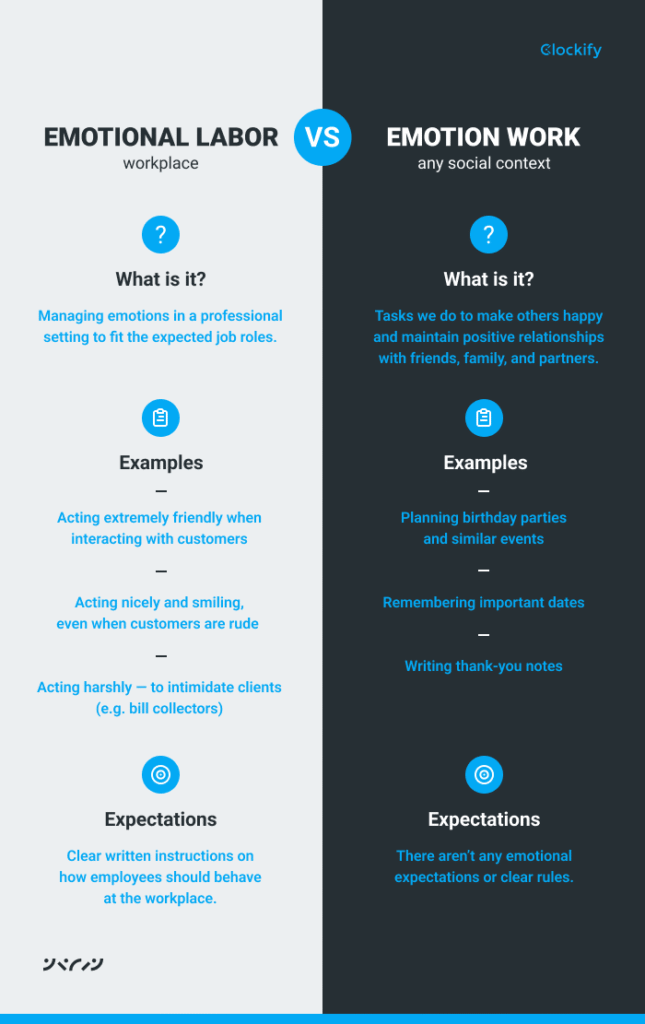
Emotional labor—managing the feelings and needs of others—is the invisible scaffolding supporting the family structure, and it falls disproportionately on women. This labor involves preempting challenges, diffusing conflicts, and providing constant emotional availability. It is not measured by time alone but by mental bandwidth, and it relentlessly drains those who carry it.
What makes emotional labor particularly insidious is that it rarely registers as “work.” Unlike physical chores, it often goes unacknowledged and unpaid, the silent work of nurturing that is both taken for granted and expected as natural feminine duty. The myth of parenting equality conveniently glosses over this critical disparity, allowing households to claim fairness where there is none.
Toxic Traditions Dressed in Progressive Attire
Claiming equality while perpetuating traditional expectations is a form of cognitive dissonance that many families navigate daily. The allure of progressive parenting rhetoric can sometimes camouflage regressive patterns.
Take, for instance, the modern dad who proudly declares involvement by attending a few soccer games but defers all bedtime routines and nightly caregiving to his partner. Or the mom who champions career ambitions yet still feels compelled to be the primary caretaker because societal norms dictate “she should.” Such scenarios reveal a dissonance between declared values and ingrained behaviors, a subtle reinforcement of gender roles hidden beneath the veil of fairness.
The Social Currency of the “Equal Parenting” Narrative
Why do we cling so zealously to this narrative? Because it functions as social currency that confers status and modern credibility. To admit the deep inequalities in parenting would be to confront uncomfortable truths about gender, privilege, and stamina. At a time when feminist victories are often co-opted or watered down, the equal parenting lie is a psychological safety net.
It reassures both men and women that progress is being made, even when many families struggle to convert rhetoric into reality. This social currency silences necessary conversations. It quiets the discontent simmering beneath the surface, ensuring that the hum of dissonance never becomes a roar.
A Call to Reckon: Toward Radical Transparency in Parenting Roles
The antidote to this elaborate fiction is a radical form of transparency. Families must be willing to dismantle performative equality and articulate the often unspoken nuances of their daily dynamics. This means naming emotional labor, interrogating how parenting tasks are divided, and critically assessing whether each partner’s contributions are valued equally—both visibly and invisibly.
Such brutal honesty is uncomfortable. It threatens social facades and flirts with conflict. But only through it can we begin to recalibrate the balance of power and labor within the home. It’s a prerequisite for genuine equality, not just the illusion of it sold at social gatherings.

Redefining Success: Beyond Division of Chores
Parenting equality is too often reduced to a checklist of tasks equally shared. This simplistic metric misses the labyrinthine complexity of emotional engagement, the prioritization of children’s needs, and the fluidity of familial roles. True equality demands a holistic framework—one that values emotional attunement, flexibility, and mutual respect as highly as the division of physical chores.
It requires redefining success beyond the realm of “he changed the diaper, she worked late” to include the qualitative dimensions of parenting that shape children’s emotional wellbeing and model equitable partnerships.
Forging a New Path: Collective Liberation in Family Life
Ultimately, dismantling the parenting equality myth serves a higher purpose: liberation from constraining gender norms for everyone involved. It is about crafting family systems where caregiving responsibilities—and joys—are shared authentically, and where the unpaid labor that sustains family life is recognized and valued.
Such a transformation is neither facile nor comfortable. It demands fierce self-examination, willingness to challenge entrenched patriarchy, and a communal commitment to change. But it is the only way forward if we want dinner party conversations to reflect reality and not rehearsed illusions.






Leave a Comment