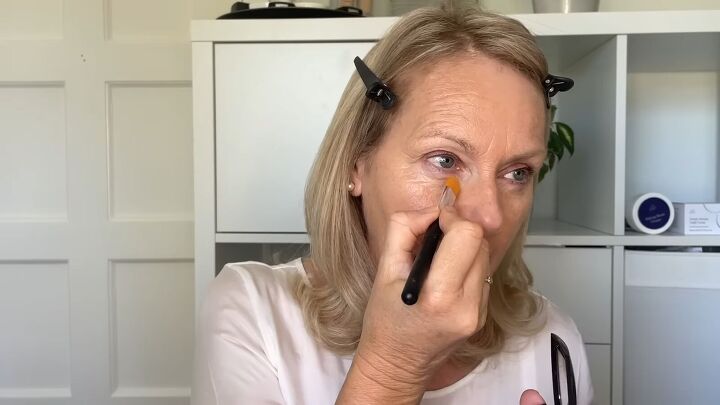
In a society obsessed with the paradox of effortless beauty, the “No Makeup Makeup Look” has emerged as the ultimate aesthetic conundrum. It promises a natural, bare-faced glow while paradoxically demanding an intricate, laborious process that can take upwards of 45 minutes. This curated illusion of undone perfection has become both a symbol of feminine resilience and a subtle mask of conformity to rigid standards. Beneath the veneer of simplicity lies a sophisticated choreography of products, techniques, and time investment—one that challenges the notion of what “natural beauty” really means.
The Art and Irony of “Effortless” Perfection
When you hear “no makeup,” you might imagine rolling out of bed with a fresh, unblemished visage. The reality is far from this. The “No Makeup Makeup Look” is deceptively complex, an expertly crafted mirage that conceals laborious effort beneath a veil of imperceptibility. Achieving this balance involves layering lightweight foundations, meticulously blended concealers, subtle contouring, and barely-there hints of color to mimic an untouched complexion. The irony is palpable: the quest for “natural” necessitates a precision akin to scientific artistry.
Every stroke is deliberate, every dab calculated to enhance and not overpower. This mode of beauty is a veiled declaration — “I am flawless without trying,” yet paradoxically it requires hours of tactical application and fine-tuning. The allure lies in its contradiction, a performative authenticity that is both empowering and confining.
Breaking Down the 45-Minute Routine
For the uninitiated, 45 minutes might sound excessive, but each stage of this routine serves a sculptural purpose. It begins with a rigorous skincare regimen—a foundation of hydration, priming, and protection—because true “no makeup” radiance stems from a well-prepped canvas. Next comes the delicate dance of foundation application. Rather than heavy coverage, a sheer, buildable base is favored. Tools range from beauty sponges dampened to perfection to synthetic brushes that blur edges seamlessly.
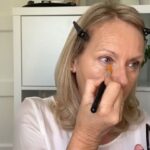
Following foundation comes the subtle art of concealing inconsistencies—dark circles, redness, hyperpigmentation—without creating mask-like patches. This requires precision and a moderate layering technique, allowing skin texture to peek through rather than being obliterated. Then there’s contouring and highlighting, employed minimally to lift and define the natural planes of the face without appearing artificial. A feathery sweep of blush brings life, but only the faintest whisper; it’s meant to simulate a natural flush, not a painted-on effect.
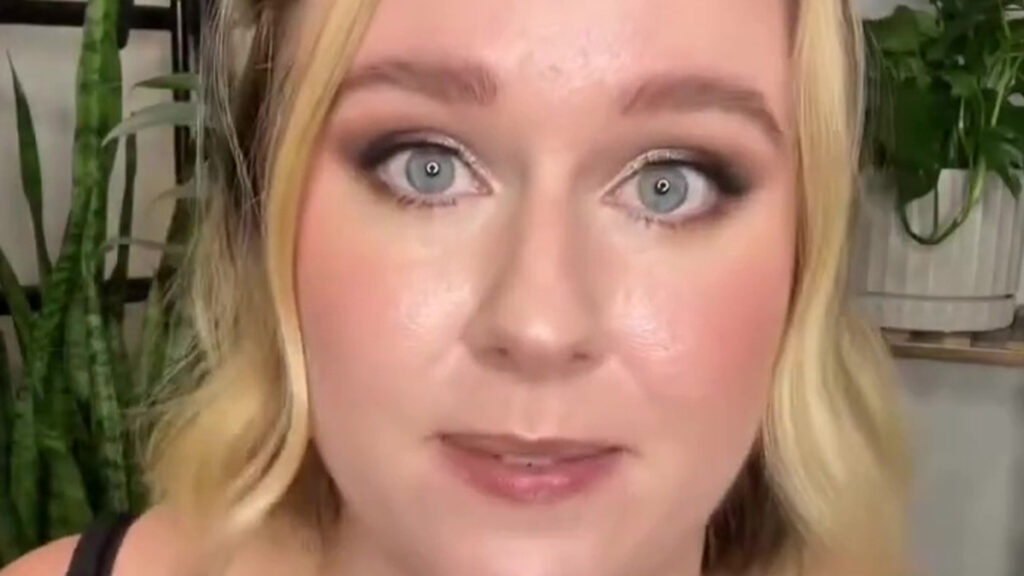
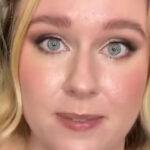
The eyes receive a botanical touch, often in muted, neutral tones that enhance the eye’s anatomical beauty. Shadows are blended with the care afforded to oil painting, subtle yet dynamic, layered to enhance the natural silhouette rather than transform it. Brows are groomed and filled in with gentle strokes, emphasizing hair-like details instead of dramatic arches. The final step involves a nude or lightly tinted lip balm or gloss—nothing bold, everything harmonious.
Skincare: The Unsung Hero of the Look
Before any brush touches the skin, the ritual begins with skincare, an often underappreciated player in the no makeup makeup drama. Hydration is paramount, with moisturizers that penetrate deeply to create a plump, supple base. Serums rich in antioxidants not only offer a preemptive strike against environmental aggressors but also impart an ethereal glow—a natural luminescence that makeup alone can never replicate.
Primers, often dismissed as mere preparation, are actually carefully selected elixirs that smooth texture, control shine, and extend the life of cosmetic products. They act like invisibility cloaks, smoothing pores and blurring imperfections with a matte, dewy, or velvet finish depending on skin type and desired effect. The complexity of this preparatory step underscores the philosophy driving the look: that “natural” is never about absence, but delicate enhancement.
Tools of the Trade: More Than Brushes
The arsenal behind this look extends beyond traditional brushes. Beauty blenders, silicone applicators, micro-fiber cloths, and custom-shaped sponges all have their place in the creation of this delicate facade. Each tool offers a unique texture and finish, influencing the way product settles on the skin and interacts with natural oils and light.
Microscopic blending, stippling, and buffing techniques are employed with the precision of a sculptor shaping marble—not to cover, but to reveal. This finesse is critical because, unlike bold makeup, the “No Makeup Makeup Look” admits no room for harsh lines or uneven patches. It is the marriage of technique and timing that makes the painstaking 45-minute routine feel worthwhile.
The Psychology Behind the Look
Why invest nearly an hour to appear like you haven’t? This question probes the societal pressures and internalized contradictions of femininity. The no makeup makeup look exists as a paradoxical shield. It conveys a message of authenticity while simultaneously adhering to an ideal constructed by beauty industries and cultural dogmas.
Women often wield this aesthetic as armor, reclaiming control over how they are perceived. Yet, it also perpetuates the invisible labor of maintaining an impeccable appearance, reinforcing standards that pit natural beauty against cosmetic enhancement in a losing battle of expectations. It’s a choice loaded with cultural meaning—empowering for some, exhausting for others.
Variations on a Theme: From Barely There to Enhanced Grace
There are many interpretations of the no makeup makeup look, which can range from barely-there nudity of the face to more defined, yet still subtle versions involving eyeshadow and soft contouring. Some prefer to emphasize luminous skin above all else, highlighting the natural oils and texture rather than concealing it. Others sculpt their features lightly, employing minimal eyeshadow or tinted moisturizers with slight shimmer.
Each variation is a personal narrative—an expression of identity and mood. The availability of diverse options means that this look resists uniformity even as it upholds rigorous standards of naturalism. It celebrates imperfection while demanding precision, embodying a fragile revolution in beauty norms.

The Broader Cultural Conversation
This look does not exist in a vacuum. It participates in wider dialogues about feminism, autonomy, and self-expression. The labor-intensive nature of the no makeup makeup look questions the superficial narrative of “effortless beauty” and exposes the double bind women face—valued for naturalness, yet pressured to maintain youthful perfection.
By unpacking this paradox, women can reclaim agency over their bodies and appearances, choosing when and how to engage with beauty rituals. Understanding this process as a complex, deliberate performance rather than a spontaneous state rewires the conversation around femininity and self-worth.
Conclusion: Embracing Complexity in Simplicity
The no makeup makeup look is not an easy shortcut—it is a sophisticated disguise that involves meticulous effort and time. It reveals the tension between societal expectations and individual desire, between natural beauty and artifice, between self-care and performance. Recognizing the skill, intentionality, and paradox behind this look encourages a deeper appreciation of the myriad ways women navigate appearance politics every day. It invites us to interrogate the meaning of beauty itself, in all its gloriously complicated forms.





Leave a Comment