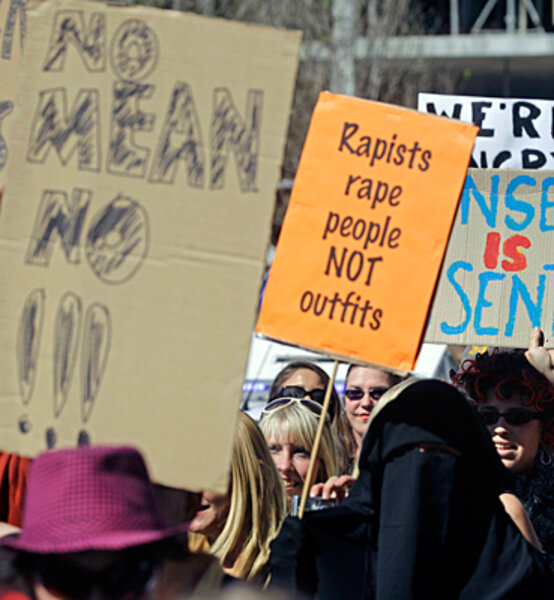
In the labyrinth of societal norms and deep-seated prejudices, SlutWalks illuminate a path toward radical change—a brazen confrontation against victim-blaming and archaic judgments of female sexuality. These marches burst onto the scene not as mere protests, but as vehement declarations that ownership of one’s body transcends outfits, choices, or anyone else’s twisted interpretations. SlutWalks beckon a seismic shift in perspective, urging a reconsideration of how we view consent, respect, and autonomy in a world that still clings to unjust stigmas. But why did this movement ignite with such ferocity, and more pertinently, why does it continue to blaze trails today? This exploration unearths the roots and enduring necessity of SlutWalks, challenging complacency and stirring the embers of revolution.
The Incendiary Catalyst: Origins of SlutWalks
The inception of SlutWalks is neither serendipitous nor symbolic in isolation—it is born out of visceral outrage. In 2011, a Canadian police officer ignited the spark when he suggested that women should avoid dressing “like sluts” to prevent sexual assault. This reckless remark crystallized the pervasive culture of victim-blaming entrenched within law enforcement and society at large. It was an affront, not only to survivors but to the fundamental notion of bodily autonomy.
From this incendiary comment erupted a defiant response: SlutWalk Toronto, a march where women and allies dressed in clothing that some deemed provocative to reclaim the narrative and shatter the dangerous myth that attire invites assault. The movement quickly garnered an international ripple effect, evolving into a global phenomenon that lambasts the insidious conflation between sexuality and culpability.
Decentering Shame: Rewriting the Language of Sexuality
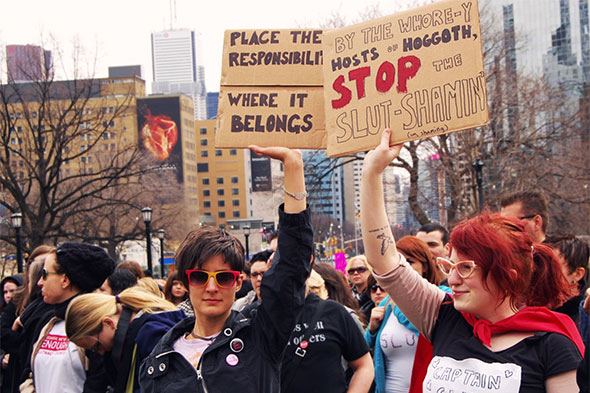
SlutWalks are not simply about rallying for safer streets or protesting street harassment; they are an ideological rebellion against the lexicon of shame. The term “slut,” weaponized as a tool of degradation, becomes an emblem of empowerment when appropriated by the movement. This linguistic reclamation is a deliberate, uncensored challenge to society’s impulse to categorize women by their sexuality or appearance, effectively policing how individuals should behave and dress.
By marching openly and unabashedly, participants dismantle the binary oppositions of purity versus promiscuity and good versus bad womanhood. This resistance disrupts the psychological frameworks that justify violence and judgment. It demands that society interrogate why women’s expressions of sexuality provoke scrutiny, aggression, or blame rather than respect.
Intersecting Oppressions: SlutWalks Beyond Gender
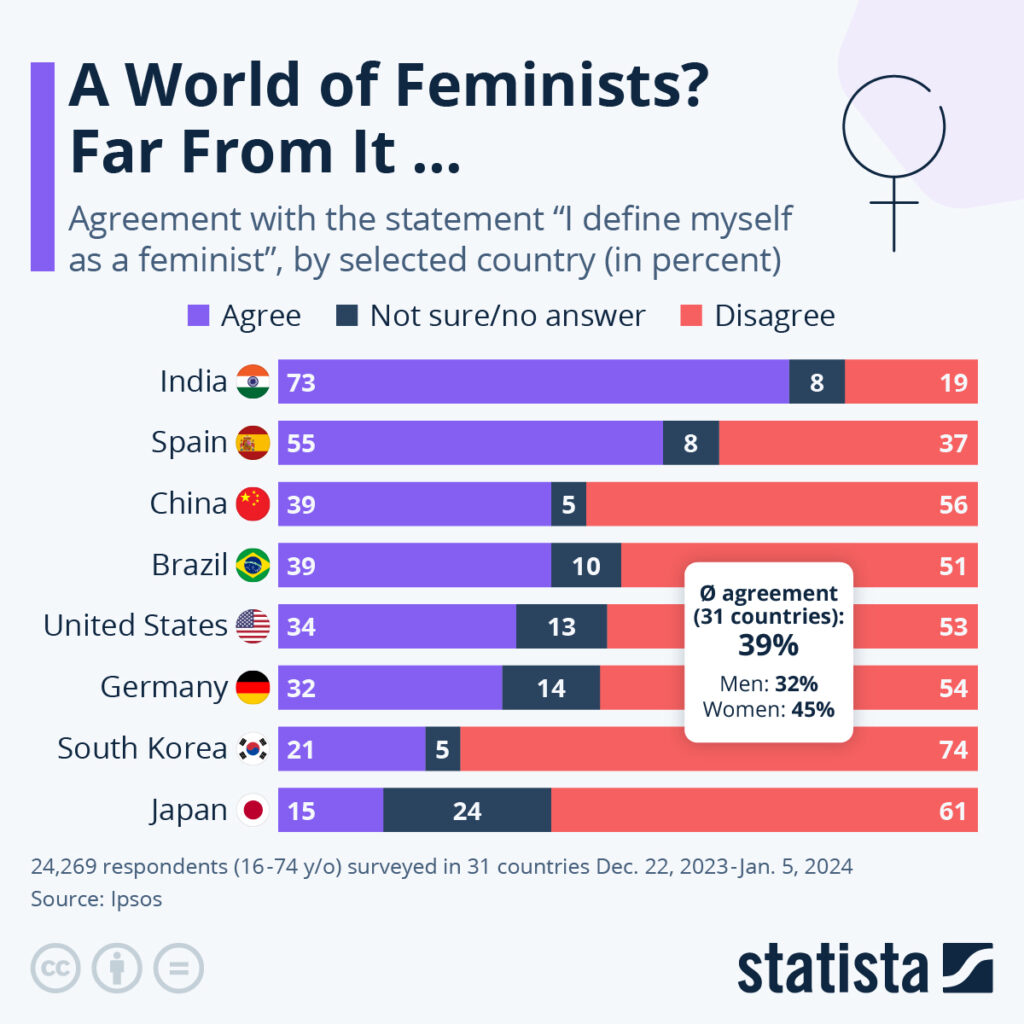
Although SlutWalks center on female empowerment, their essence reaches far beyond a single axis of identity. The marches illuminate the myriad intersections of oppression—where race, class, gender identity, and sexual orientation converge to shape unique experiences of marginalization. Women of color, transgender individuals, and non-binary people often face compound victimization, excluded either overtly or covertly from mainstream feminist discourse.
SlutWalks strive to be expansive, incorporating voices historically silenced or sidelined. This inclusivity acknowledges that dismantling sexual violence and victim-blaming necessitates confronting the complexities of systemic discrimination. Only through embracing an intersectional lens can the movement hope to engender meaningful change that resonates across diverse communities.
The Persistent Imperative: Why SlutWalks Remain Vital
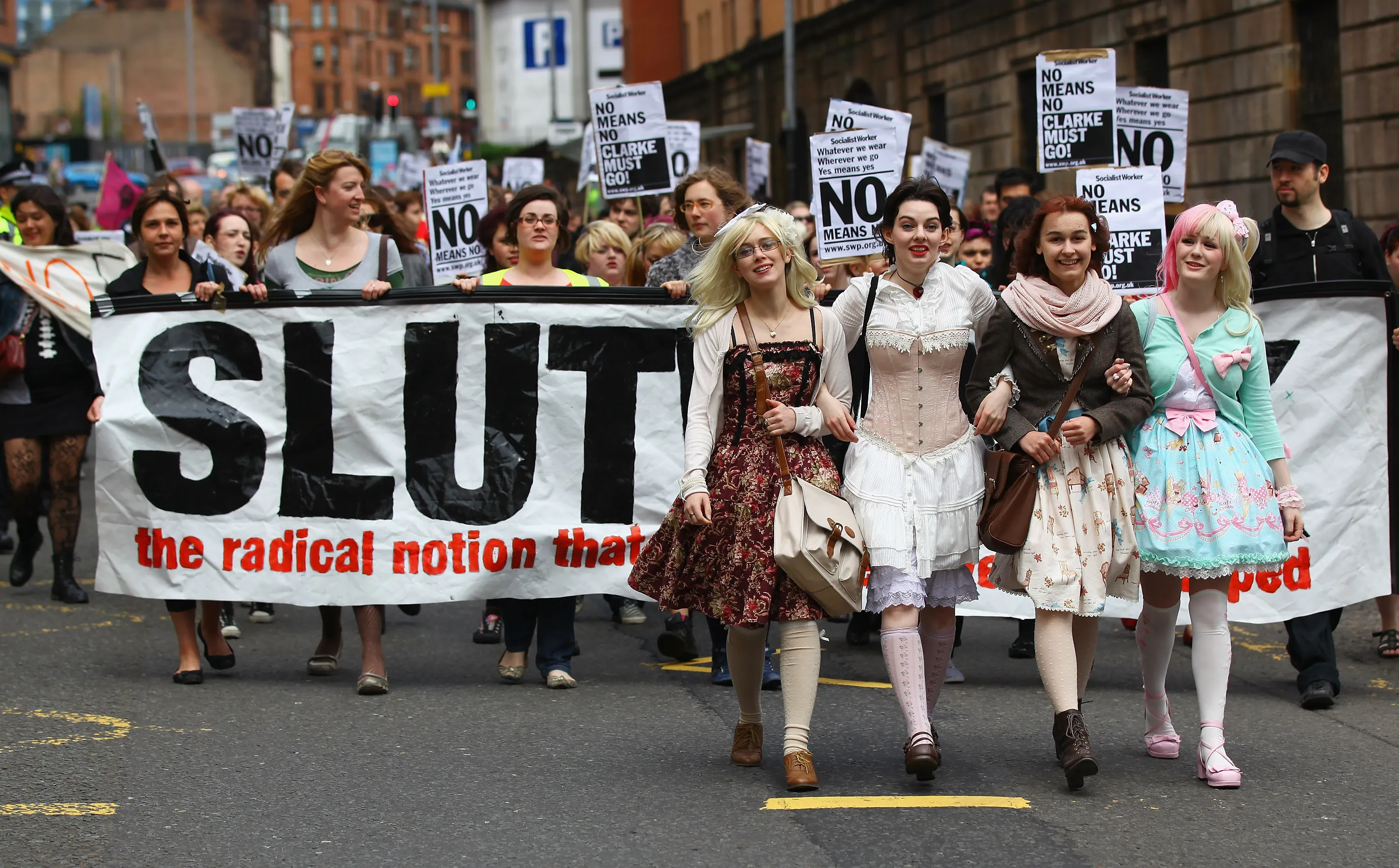
One might assume that with the proliferation of feminist dialogues and legal advancements, SlutWalks could recede into history as a relic of past activism. Yet, their continued necessity is underscored by relentless social realities. Victim-blaming percolates through media narratives, judicial systems often retraumatize survivors, and laws remain inconsistently enforced, reflecting persistent cultural deficits in understanding and addressing sexual violence.
Compounding this is the eruption of online harassment and digital misogyny, new frontiers where control and degradation flourish unchecked. SlutWalks transcend physical spaces to embody a worldwide resistance against lingering and evolving forms of sexual oppression, demanding accountability, justice, and a radical reconceptualization of consent. Their global presence—whether in the streets of New York, Toronto, or Manchester—reminds us that the struggle is far from over.

Reimagining Futures: The Promise of SlutWalks
Beyond their immediate goals, SlutWalks propose an audacious vision of a future where dialogues around sex, power, and body autonomy are no longer cloaked in judgment or fear. They incite a radical cultural shift, where “slut” ceases to be a slur and becomes instead a symbol of freedom and self-determination. This reimagining probes the depths of societal transformation, beckoning us to question deeply ingrained biases and strive for a world where respect and consent are foundational, not aspirational.
Ultimately, SlutWalks are a call to action and a profound invitation to disrupt the orthodoxy. They promise a collective reclamation of agency that reverberates far beyond the streets, reshaping our consciousness and the very fabric of social relations.






Leave a Comment