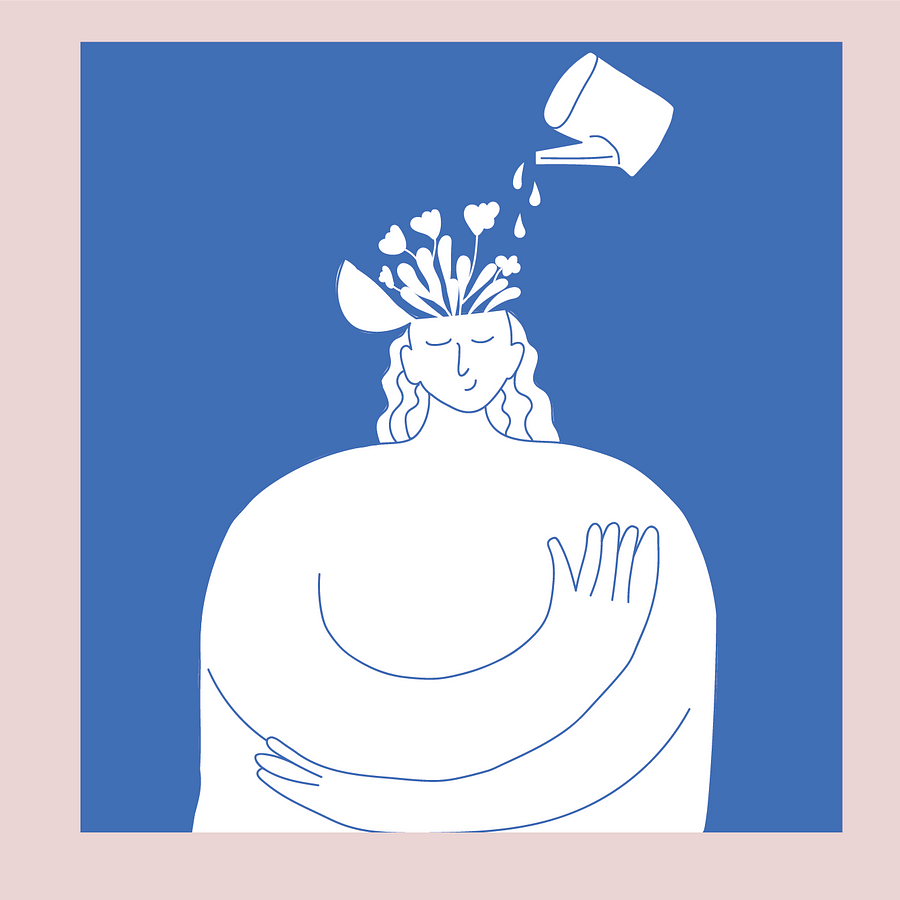
What if simply taking a day off to honor one’s mental well-being was not just an act of self-care, but a boldly insurgent political statement? Could a day dedicated to mental health expose the entrenched gendered inequities pulsing through our institutions, workplaces, and society? At first glance, a mental health day might seem like a personal reprieve—an oasis in a desert of unending pressures. Yet, beneath this seemingly innocuous gesture lies a radical challenge to patriarchal norms that have long relegated women’s mental health to the margins. This is where the politics of pause come alive. For women, embracing such days is far from a mere luxury; it becomes an act of defiance, reclamation, and unapologetic assertion of worth.
Redefining Rest: The Radical Act of Prioritizing Mental Health
In a world that exalts productivity and relentless hustle, the notion of taking a mental health day is often met with suspicion or thinly veiled disdain. For women, especially, this suspicion carries an additional weight of gendered expectations—one must be perpetually available, nurturing, and unyielding in both paid and unpaid labor. Choosing rest disrupts this narrative. It exposes the fallacy that women’s labor, physical or emotional, is limitless and invisible.
To pause, to step away, is to declare that mental well-being is a priority, not an afterthought. It is a refusal to be complicit in a system that equates a woman’s worth with her output. The audacity to say “I need space to heal” disrupts the machinery that relies on women’s silent suffering. A mental health day challenges the extraction of emotional labor—often dismissed as innate feminine kindness—demanding recognition it deserves.

The Intersection of Mental Health and Institutionalized Gender Oppression
Mental health does not exist in a vacuum; it intersects deeply with the social and political frameworks that shape women’s lives. From workplace discrimination to the relentless pressure to conform to unrealistic beauty and behavior standards, women’s struggles are scaffolded by systemic inequities. Taking a mental health day exposes these systemic abuses, casting light on the undercurrents of oppression that foment psychological distress.
Moreover, the stigmatization of mental health within patriarchal contexts disproportionately harms women. To take time for mental wellness becomes a statement that these stigmas are indefensible and unacceptable. It underlines the urgent need to dismantle structures that punish emotional vulnerability. By doing so publicly and unapologetically, women unsettle the status quo.
Breaking the Silence: Mental Health Days as Acts of Visibility and Solidarity
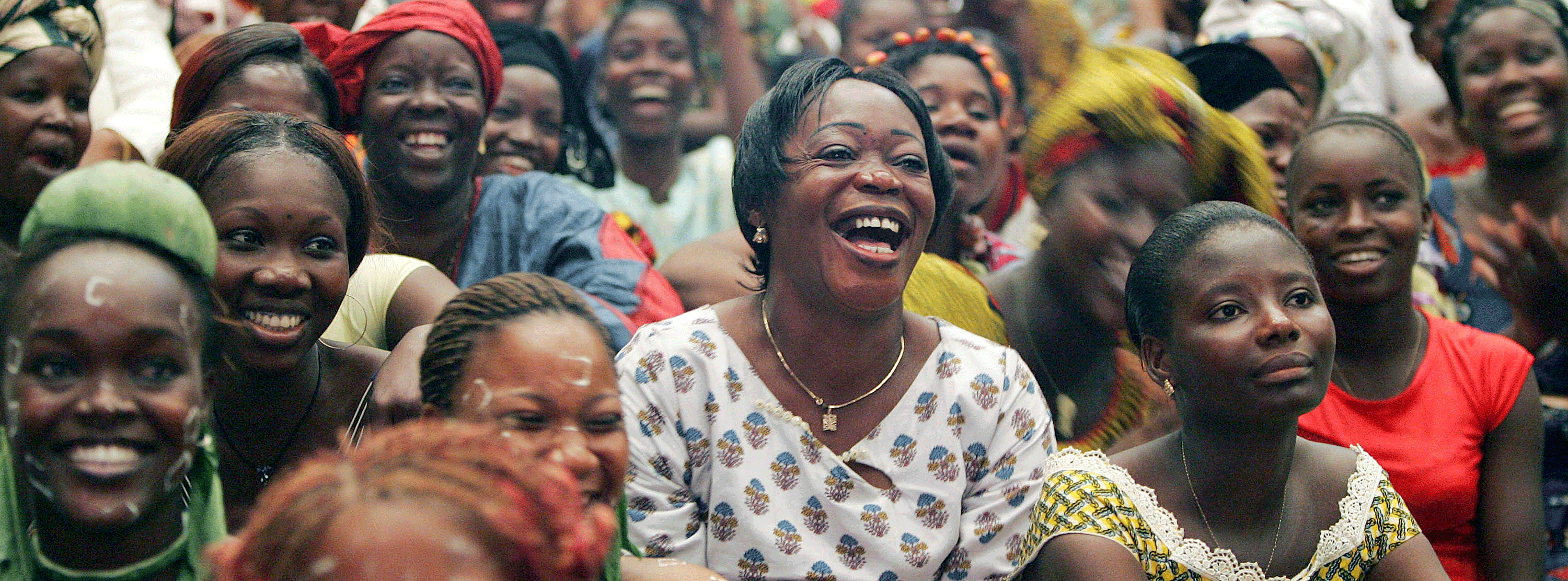
Social discourse often treats women’s mental health as a whisper in the background, a ‘soft’ issue that deserves neither front-page attention nor serious institutional response. Yet when women collectively claim mental health days, they puncture the silence with thunderous clarity. This visibility is vital. It transforms private struggle into public confrontation.
By openly acknowledging mental health needs, women build communities of solidarity that challenge isolation. These acts carve spaces where shared experiences of trauma, resilience, and empowerment coalesce. In this way, mental health days become rituals of collective resistance, undermining the culture of silence that perpetuates marginalization.
Politicizing Pain: When Personal Mental Health Encounters Confront Broader Power Structures
Women’s mental health struggles often reflect the pervasive violence and inequality embedded in society. Whether it be navigating the labyrinthine politics of sexual abuse, discrimination, or economic precarity, the emotional toll is intimate and political. Mental health days transform these private narratives into critiques of the broader oppressive architectures.
This politicization is a double-edged sword. While amplifying awareness, it demands that institutions bear responsibility rather than pathologizing individuals. By framing mental health as entwined with social justice, women assert that healing cannot be divorced from transforming unjust conditions. A mental health day is thus a call to arms wrapped in the guise of rest.

From Self-Care to Collective Revolution: Envisioning the Future of Mental Health Advocacy
What if mental health days became more than isolated respites? What if they ignited a mass movement demanding systemic change? The aspirational potential lies in transforming self-care into collective care. This means reimagining workplaces, schools, and communities that prioritize mental well-being not as accommodations but as human rights.
Envision spaces where mental health days are normalized, protected, and embraced without fear of retribution or shame. Envision political agendas that center gender-sensitive mental health policies, acknowledging the unique burdens women carry. This future requires relentless activism, intersectional awareness, and refusal to accept the devaluation of emotional labor.
Conclusion: The Playful Rebellion in Claiming Mental Health Days
So, why is taking a mental health day a political act for women? Because it challenges a world that demands perpetual endurance without acknowledgment, it demands recognition, visibility, and systemic transformation. It is a subtle rebellion and a loud declaration wrapped in one. Each mental health day taken punctures the facade of invulnerability, striking at the heart of oppressive structures. It is a playful question dared boldly: “Why must I suffer in silence when I can rest—and in doing so, resist?”







Leave a Comment