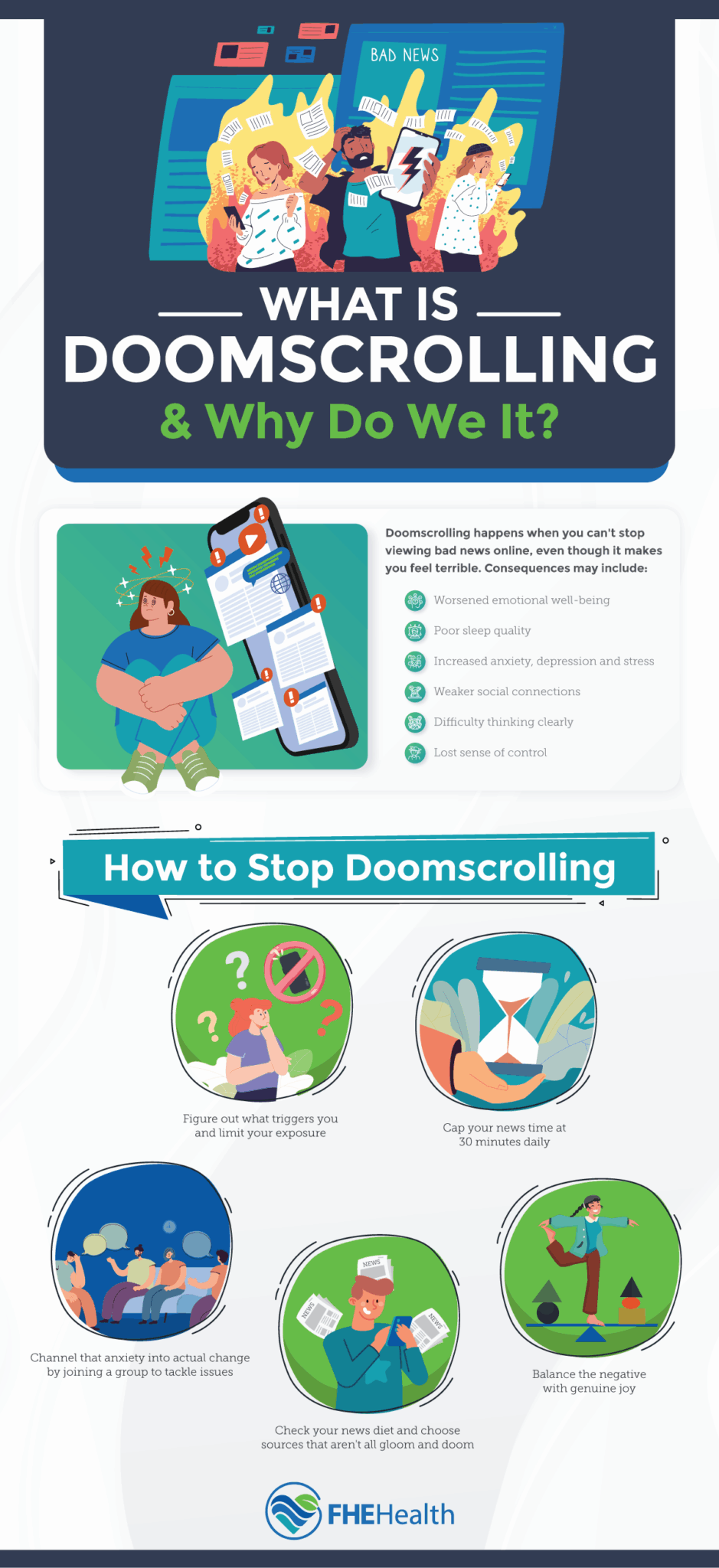
In the endless digital maelstrom of newsfeeds and notifications, doomscrolling has emerged as a seemingly innocuous yet toxic pastime. For many women, however, this compulsive immersion in negative online content doesn’t just linger on the surface of boredom or curiosity—it strikes a deeply resonant chord, unveiling fissures in mental health and societal pressures that rarely get discussed openly. Why does doomscrolling hit different for women? The answer resides not only in the mechanics of social media algorithms but also in the intricate interplay of gendered anxieties, emotional labor, and the relentless quest for validation in a world that often dismisses feminine voices.
The Emotional Architecture: Why Women Are Wired Differently
The human brain is a labyrinth shaped by biology and experience, and women’s emotional architecture often heightens sensitivity to social signals, threats, and empathy. This heightened attunement, while a source of profound strength and connection, also renders women more susceptible to emotional contagion. When doomscrolling, women don’t just passively consume news of crises and catastrophes—they absorb the psychic debris, internalizing collective anxiety and trauma with an intensity that men, conditioned differently, may not exhibit as strongly.
This is no mere stereotype; neuroscience highlights that female brains typically engage emotional centers more robustly, weaving empathy tightly into cognitive processing. The onslaught of distressing news triggers the amygdala’s fear circuits, creating a vicious loop: the more bad news, the more the emotional system spirals, compelling women to keep scrolling in a desperate search for agency or explanation. This pattern is a dangerous echo chamber, a psychological snare that reinforces feelings of helplessness while feeding the compulsive need to stay informed.

Social Conditioning & The Weight of Invisible Labor
Women are burdened with disproportionate social and emotional labor—roles that extend well beyond the visible boundaries of professional or domestic work. This invisible labor involves managing emotions, social harmony, caretaking of family members, and often, navigating fraught social relationships all while maintaining composure. These cumulative pressures make doomscrolling not just a passive act but a charged emotional undertaking.
The content women encounter while doomscrolling—reports of violence, inequality, environmental disasters, harassment—is not abstract. It mirrors, magnifies, and often anticipates personal and communal vulnerabilities. This relentless feed of crises confirms fears and anxieties women harbor daily. Feeling responsible for protecting themselves and their loved ones intensifies the compulsive need to surveil the online world for threats, making doomscrolling a symptom and a symptom exacerbating an already overwhelming emotional workload.
Identity, Intersectionality, and the Politics of Visibility
Doomscrolling takes on additional layers of complexity when viewed through the lens of intersectionality. Women of color, LGBTQ+ women, and others at multiple axes of marginalization experience a compounded impact of doom-laden digital content. News stories are frequently tinted with implications about safety, discrimination, and erasure. For many marginalized women, doomscrolling means witnessing a perpetual replay of systemic injustice—from racial violence to economic disenfranchisement—while also navigating the precarious undercurrent of social invisibility.
This dual awareness intensifies the psychic toll. Doomscrolling becomes less about morbid curiosity and more about negotiating identity and survival within a cultural framework designed for erasure. It’s an amplification chamber for fears that are both personal and political. The digital ether, rather than offering sanctuary, often functions as a battleground where women must continually assert their humanity in the face of relentless dehumanization.
The Paradox of Empowerment & Entrapment
Social media offers women unprecedented platforms for self-expression, community building, and activism. Yet, this digital empowerment is laced with paradox. The same platforms that enable women’s voices can also entrap them in endless cycles of distress. Algorithms relentlessly push sensational content designed to maximize engagement—not well-being.
Women often find themselves caught between the desire to stay informed and the emotional exhaustion that follows. They scroll not only to be aware but also to maintain connections to social movements, family updates, or professional networks. Yet, this engagement can quickly dissolve into a form of digital self-flagellation—an endless chase for answers in stories that offer none, only despair. The emotional feedback loop can erode resilience, producing a haunting sense of powerlessness masked as agency.
Breaking the Cycle: Towards Digital Self-Defense
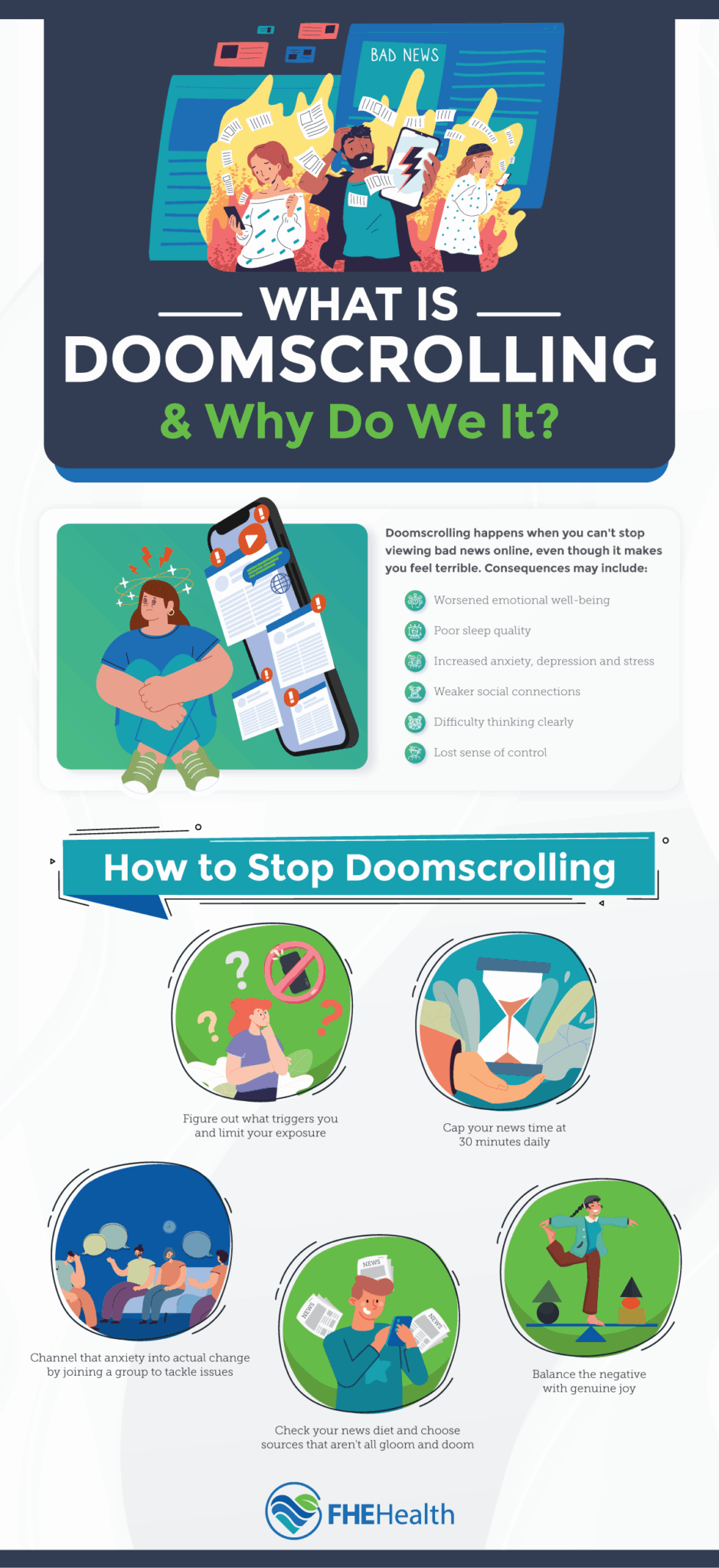
Recognizing the specific ways doomscrolling impacts women opens the door to more targeted strategies for resistance and healing. Digital self-defense is not just about limiting screen time; it demands an active reclaiming of emotional sovereignty and a critique of the social conditions that feed this compulsion.
Women must be encouraged to cultivate digital spaces consciously curated for nourishment rather than despair. This can mean following sources that highlight resistance, hope, and communal solidarity or creating rituals that interrupt the spiraling dive into negativity. Moreover, broader societal efforts to alleviate invisible labor and dismantle systemic injustices can reduce the anxieties that prime women for doomscrolling in the first place.
Ultimately, to disrupt this pattern is to confront the very structures—technological, social, psychological—that have created a fertile breeding ground for collective dread. Only by acknowledging its gendered dimensions can doomscrolling be met with both empathy and effective intervention.







Leave a Comment