
The tech industry’s hiring pipeline doesn’t just leak women—it hemorrhages them. Like a sieve with gaping holes, it filters out talent at every stage, from the first resume scan to the final handshake. But here’s the twist: the leaks aren’t accidental. They’re engineered. The system is designed to reward the familiar while siphoning away the unfamiliar—especially when that unfamiliar is a woman. This isn’t just a leak. It’s a deliberate hemorrhage.
The Resume Black Hole: Where Meritocracy Goes to Die
Imagine submitting your life’s work into a void that only rewards those who’ve already been anointed. That’s the resume black hole. Women, particularly those from marginalized backgrounds, face an insidious bias: their achievements are either minimized or erased entirely. Studies show that identical resumes with male names receive 50% more callbacks than those with female names. The language of job postings—laden with words like “ninja,” “rockstar,” or “aggressive”—isn’t just jargon. It’s a dog whistle. It signals that the culture isn’t just unwelcoming; it’s hostile.
But here’s the cruel irony: women are often held to a higher standard of proof. A man’s potential is assumed; a woman’s must be meticulously documented. The resume isn’t just a document—it’s a gauntlet. And most women don’t survive the first round.

The Interview Labyrinth: A Test of Endurance, Not Skill
The interview isn’t a conversation. It’s a performance. And women are cast in roles they never auditioned for. The labyrinthine structure of tech interviews—whiteboard algorithms, brainteasers, and unspoken cultural cues—favors those who’ve been groomed for it. Women, especially those who didn’t grow up coding in their father’s garage, are penalized for not playing the game by rules they never learned.
Consider the “culture fit” interview. It’s not about skills. It’s about assimilation. A woman who speaks up is “too assertive.” One who stays quiet is “not a team player.” The double bind is suffocating. The interview isn’t just a test of technical prowess; it’s a test of how well you can suppress your authentic self to fit into a mold that wasn’t made for you.
And then there’s the microaggressions—the “jokes” about “how women are bad at math,” the assumptions that she’s the HR rep, not the engineer. These aren’t minor slights. They’re psychological landmines, detonating confidence and clarity with every step.

The Promotion Paradox: The Glass Cliff and the Sticky Floor
Even when women survive the hiring gauntlet, the pipeline doesn’t magically repair itself. The promotion paradox is a double-edged sword: women are either stuck in roles with no upward mobility (the sticky floor) or pushed into high-risk positions where failure is almost guaranteed (the glass cliff).
The sticky floor phenomenon is insidious. Women are funneled into support roles—HR, marketing, diversity initiatives—where their contributions are undervalued but their presence is tolerated. Meanwhile, men ascend the ladder, their promotions framed as inevitable, their failures as exceptions.
Then there’s the glass cliff. When a company is on the brink of collapse or scandal, who do they put in charge? A woman. Because if she fails, it confirms the bias. If she succeeds, she’s an anomaly. The system isn’t just rigged—it’s sadistic.
The Retention Riddle: Why Women Leave (And Why They’re Pushed Out)
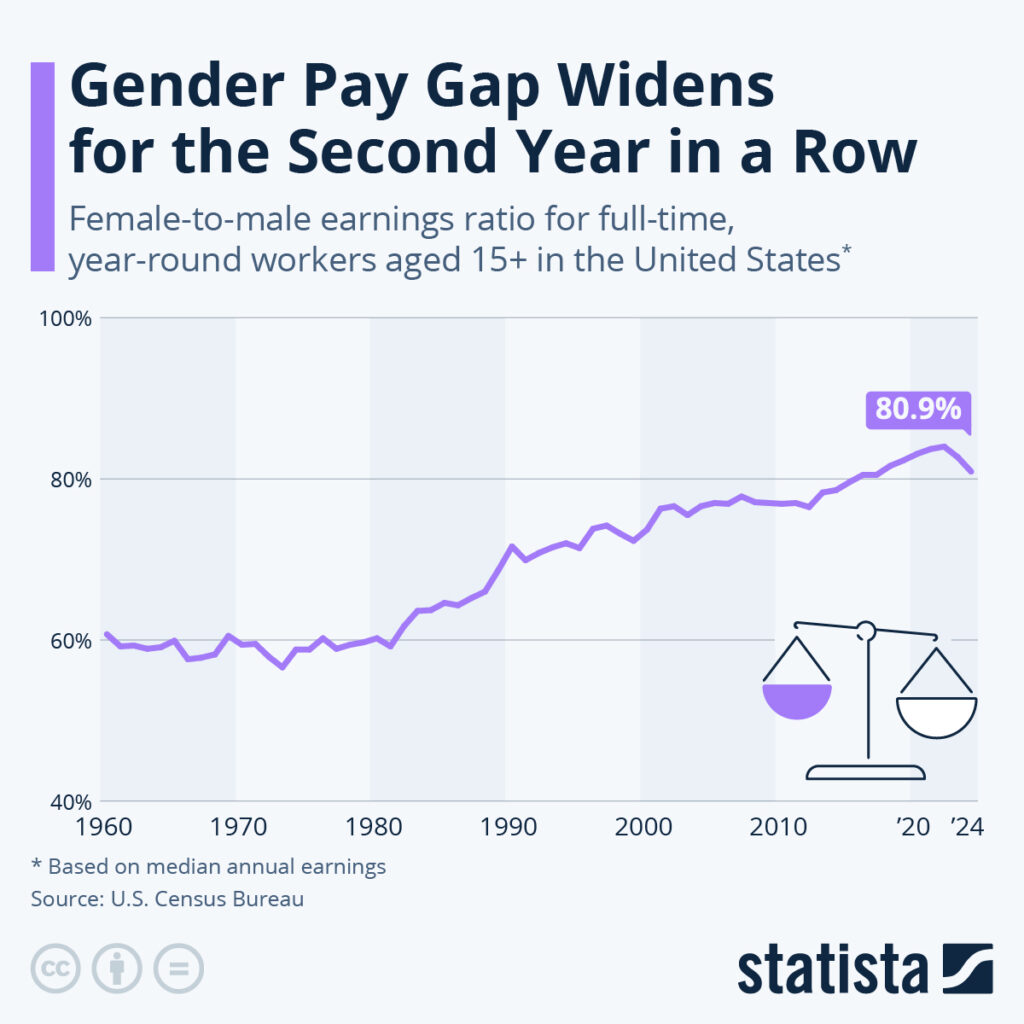
Women don’t leave tech because they lack ambition. They leave because tech lacks humanity. The retention riddle is simple: the same biases that filter women in also filter them out. The pay gap isn’t just about money—it’s about respect. The lack of mentorship isn’t just a gap—it’s a chasm. The absence of women in leadership isn’t a coincidence—it’s a self-fulfilling prophecy.
And then there’s the burnout. Women in tech report higher levels of stress, harassment, and isolation. The culture isn’t just unwelcoming—it’s actively hostile. Microaggressions accumulate. Exhaustion sets in. The decision to leave isn’t a choice. It’s a survival mechanism.

The Solution Isn’t Fixing Women—It’s Dismantling the Pipeline
Blind hiring? A bandage on a hemorrhage. Diversity training? A placebo. The solution isn’t to make women fit into the broken system. It’s to shatter the system entirely. That means rethinking job descriptions, eliminating bias in interviews, and holding companies accountable for their retention rates. It means promoting women not as tokens, but as leaders. It means creating cultures where women aren’t just tolerated—they’re celebrated.
But most of all, it means acknowledging the truth: the pipeline isn’t leaking. It’s hemorrhaging. And the only way to stop the bleeding is to rip the system apart.







Leave a Comment