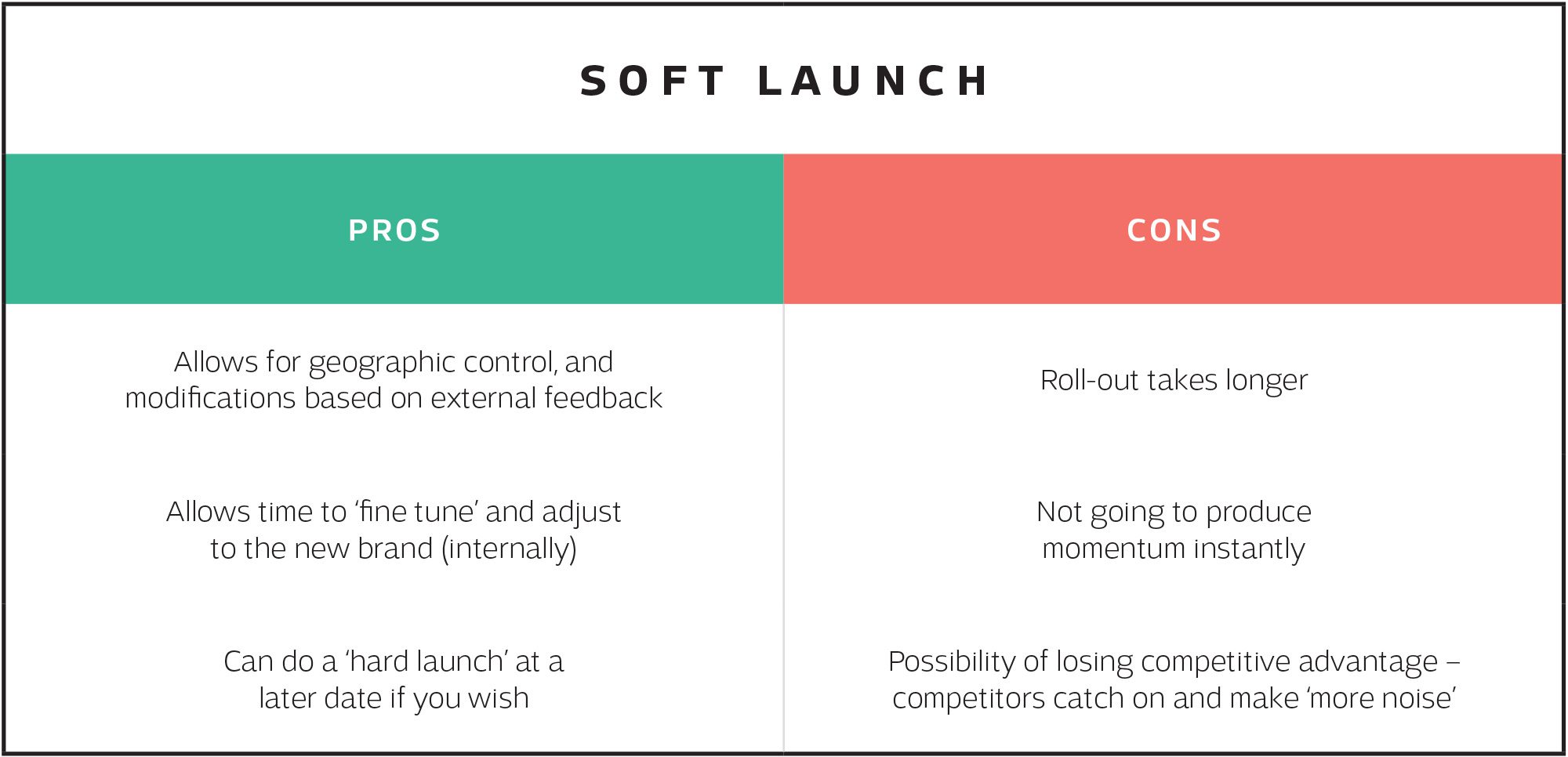
Have you ever paused to consider the covert power play embedded deep within the act of launching? Beyond the marketing jargon and strategic frameworks hides a surge of unspoken dynamics that govern who truly sets the stage—and who merely dances in the shadows. The debate between a soft launch and a hard launch isn’t just about timing or audience reach; it’s a battleground of visibility, control, and exclusion. What if the way something is introduced to the world mirrors broader societal hierarchies, and the choice between subtlety and spectacle reveals more about power structures than product strategy?
The Anatomy of a Launch: More Than Marketing
Launching is often framed as a neutral, procedural act—a step in a campaign. But imagine peeling back the surface. The “soft launch” and “hard launch” epitomize contrasting philosophies of engagement and assertion. The soft launch—a whisper, an intimate reveal, a careful courting of niche audiences—operates under the radar. It cultivates exclusivity, shielding early adopters from public scrutiny, often leveraging trust and insider currency. The hard launch, by contrast, is a celebratory proclamation. It commands attention, demands mass engagement, and parades the product or idea with unapologetic boldness.
At first glance, choosing between these models seems tactical. But beneath lies a question of who gets to control the narrative and whose voices are amplified. The soft launch skews toward modesty but can mask gatekeeping. The hard launch embodies confidence but risks alienation. Both are acts of power—some subtle, others overt—revealing more about social maneuvering than we care to admit.

The Soft Launch: Cloaked Influence and Quiet Assertion
Is quiet influence truly less potent than a clamorous debut? The soft launch thrives in the shadows, leveraging the power of scarcity and intimacy. It invites a select few into a hidden garden, setting a stage where feedback is controlled and adjustments are stealthy. But this gated access replicates societal structures—few insiders receive early knowledge or opportunity, while the masses remain on the periphery, waiting for official permission to engage.
Soft launches can be benevolent, fostering thoughtful refinement. Yet, they can also conceal elitism—a curation of who deserves the privilege of participating early, who benefits from insider advantage, and who remains excluded. This dynamic mirrors gatekeeping in countless spheres: cultural, economic, even political.
Furthermore, the subtleness of a soft launch can disarm critics temporarily, but it also imposes a certain invisibility. For marginalized creators, is a soft launch an empowering cocoon or a forced invisibility cloak? Without the spotlight, it becomes harder to challenge dominant narratives or claim space unapologetically.

The Hard Launch: Spectacle, Visibility, and the Demand for Legitimacy
The hard launch bursts forth—a proclamation, an unveiling that insists on recognition and respect in the public eye. It is loud, unapologetic, and designed to occupy space with renewed vigor. But what does this assertiveness really buy? Visibility is power—no doubt. To be seen is to be validated. However, this demand for recognition also invites harsher scrutiny, tougher gatekeepers, and rapid judgment.
For many, a hard launch is a reclamation of voice, a refusal to be sidelined or softly erased. It insists on legitimacy, arguing for presence in arenas often dominated by entrenched power holders. Yet, this mode can expose vulnerabilities. The glare of the spotlight magnifies flaws, invites criticism, and puts enormous pressure on perfection or instant success.
In patriarchal and capitalist frameworks, the hard launch can feel like an audacious act of rebellion—but also a perilous gamble that not everyone can afford. Who dares to make the noise loud enough? Who fears repercussions? This choice reveals the imbalance of privilege and risk baked into visibility itself.

Power, Control, and the Illusion of Choice
When examining the struggle between soft and hard launching, one confronts a curious paradox: the illusion of freedom masks the subtle forces shaping decisions. Do entrepreneurs, creators, or activists truly choose their launch style, or are they pushed by financial pressures, social expectations, and underlying systemic inequities?
The soft launch tempts with safety and efficiency but often refracts privilege—only those with access to networks and resources can capitalize on this covert phase. Conversely, the hard launch demands courage and a willingness to endure exposure, disproportionately favoring those with established capital or social clout.
This dichotomy exposes the structural inequities lurking beneath business and cultural rituals. The decision isn’t purely tactical—it is political. It determines whose ideas are nurtured quietly, whose roar breaks through the noise, and ultimately who rewrites the rules of engagement.
Reclaiming the Launch: Towards Radical Visibility and Inclusion
If the soft launch and hard launch represent two poles of power and privilege, what lies outside that binary? The future of launching could embrace radical visibility intertwined with communal support and inclusive frameworks that reject hierarchy as a prerequisite for success.
Imagine launches that dismantle gatekeeping by inviting diverse voices not as afterthoughts but as equal partners. Staging unveilings that combine the thoughtfulness of a soft launch with the boldness of a hard launch could birth a new paradigm—one that disrupts the covert power plays and fosters genuine democratization.
True power may not reside in how loudly you announce your arrival or how quietly you slip in—but in how you reshape the terrain itself, demanding that visibility becomes a right, not a privilege, and inclusion the rule, not the exception.









Leave a Comment