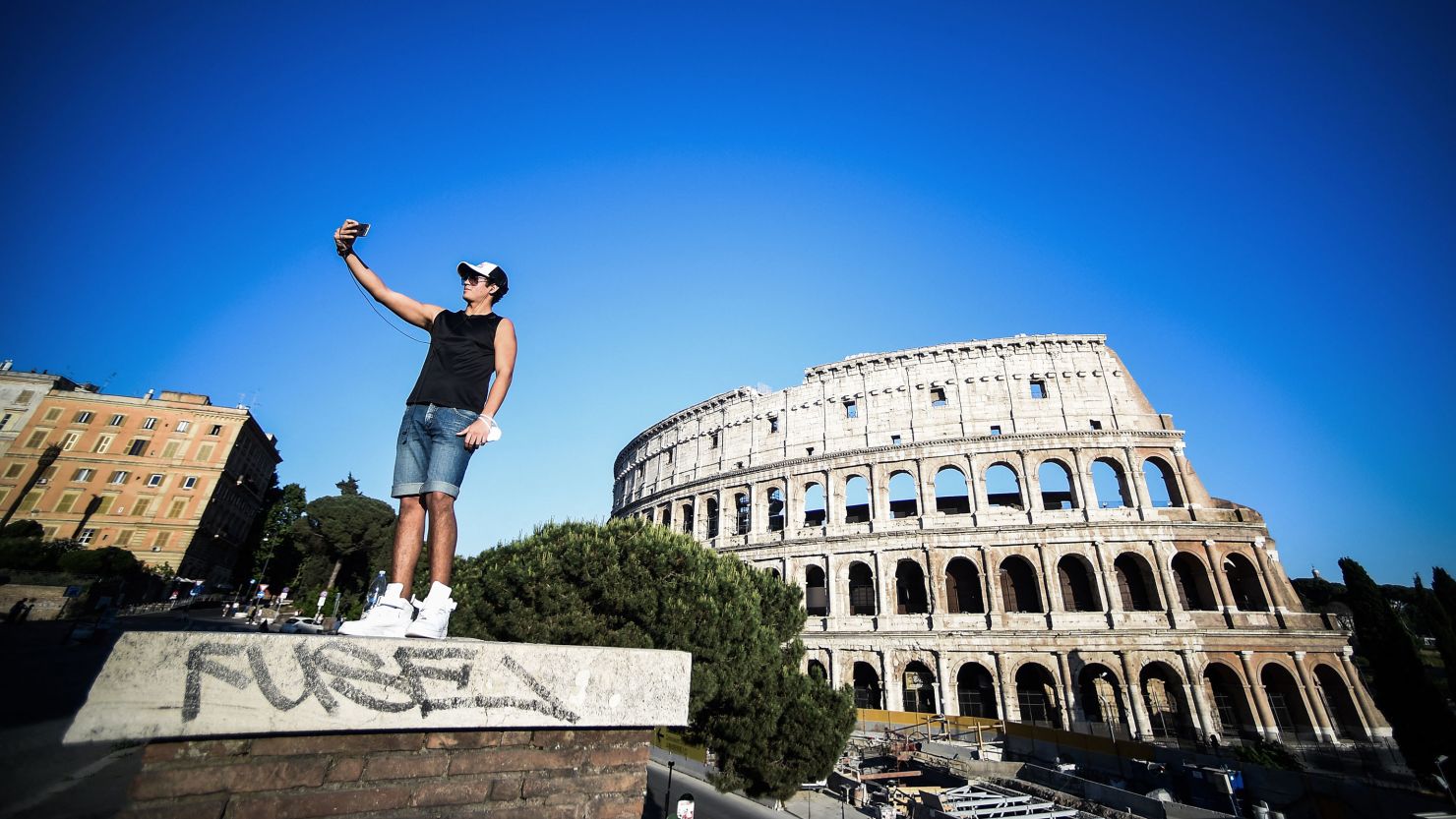
Why does the Roman Empire, that ancient colossus of history, resurface so incessantly in the minds of modern men? This cultural echo reverberates through memes and online conversations with a baffling persistence, often accompanied by a sidebar of baffled partners and friends. Is it merely a whimsical hobby, or does this fixation reveal something more labyrinthine about masculinity today? Could this playful reflection on a civilization that long collapsed actually be a mirror — one that distorts as much as it reveals the contours of contemporary manhood?
The Resurgence of the Roman Empire Meme: A Cultural Phenomenon
The meme—a deceptively simple digital artifact—has turned the Roman Empire into a bizarrely omnipresent figure in present-day discourse. From witty Reddit posts to viral TikTok videos, the question “How often do you think about the Roman Empire?” triggers a predictable but revealing cascade of responses. What seems on the surface a trivial fixation actually unearths a deeper engagement with symbols of power, conquest, and erudition—attributes traditionally coded as masculine. This widespread cultural motif invites us to question: what is it about the Roman Empire that men find so magnetically compelling?
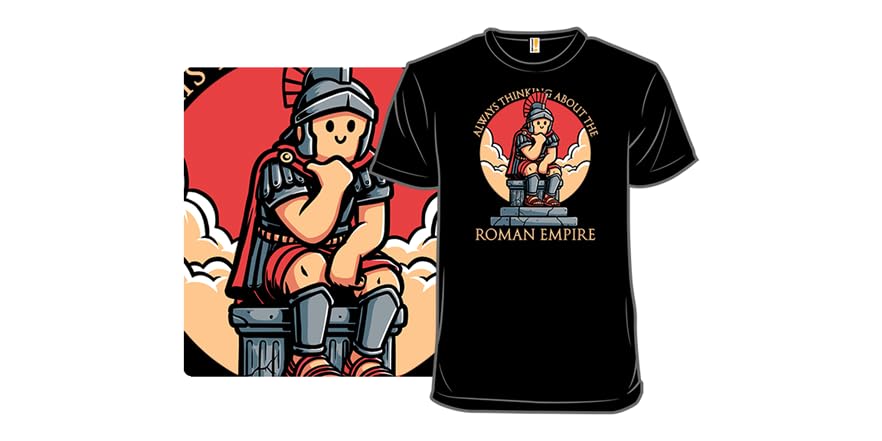
Masculinity and the Allure of Empire
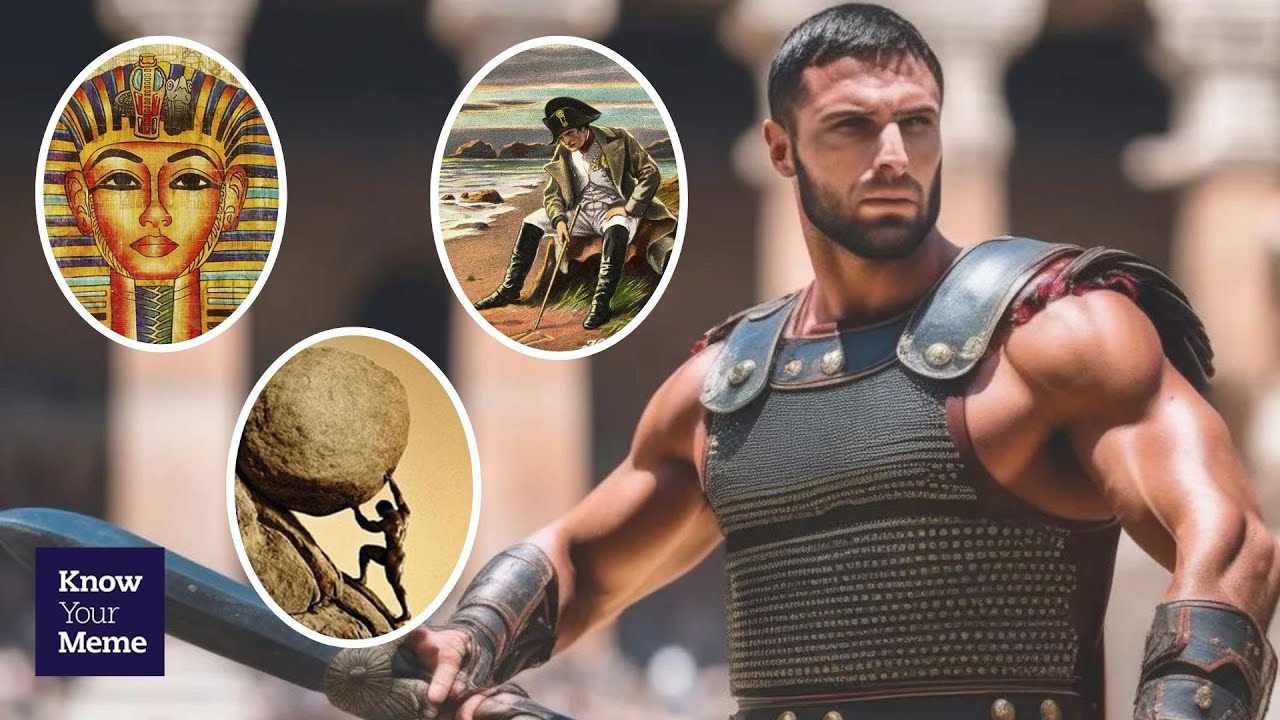
In many ways, the Roman Empire operates as a shorthand for masculine ideals—strength, dominance, strategic brilliance, and an indomitable legacy etched into the annals of history. But this nostalgia is not merely a benign interest in antiquity; it subtly perpetuates a fixation on conquest and imperial grandeur that can be dangerously reductive. The meme’s popularity exposes an unconscious yearning to align oneself with these hyper-masculine archetypes. It’s an unspoken contest, fought silently in the recesses of male thought: “Am I powerful, enduring, or influential enough?”
This obsession with an authoritarian mythos glosses over complexities and, more problematically, suppresses vulnerability and emotional nuance. It anchors masculinity to outdated paradigms that valorize control and expansion at the expense of empathy and introspection. Hence, the meme becomes not just a source of humor but a symbol of where masculine identity struggles – caught between archaic glorification and the evolving demands of modern life.
The Feminist Challenge to Empire Fantasies
From a feminist vantage point, the Roman Empire meme is ripe for disruption. It is a cultural expression wrapped in layers of patriarchal nostalgia that demands unpacking. Is it possible that what men admire in this ancient civilization is less about historical fact and more about a psychic need to reclaim a sense of dominance in a world increasingly resistant to traditional hierarchies? In this light, the meme represents a confrontation—a subtle defense mechanism against shifting gender dynamics and the erosion of unchallenged male privilege.

Challenging this fixation means reframing masculinity itself. It asks men to interrogate why symbols of conquest feel reassuring in a culture pushing toward equity and emotional complexity. Feminism calls out these idealizations and questions what it truly means to be powerful. Is it necessarily the ability to subjugate or control? Or could a richer, more expansive masculinity thrive in vulnerability, collaboration, and humility—qualities alien to the trope of imperial invincibility?
The Irony of Nostalgia in the Digital Age
The meme circulates in an era marked by instant gratification, political upheaval, and seismic social change—an age where young men are facing unprecedented questions about identity, purpose, and value systems. The Roman Empire meme’s persistence might be an ironic manifestation of nostalgia’s seductive pull: a retreat to a world with seemingly simpler codes and unequivocal hierarchies.
This retreat, however, is not harmless. It risks romanticizing a period rife with militarism, systemic oppression, and exclusionary power structures. The meme’s humor glosses over these realities, allowing an escapist fantasy to masquerade as camaraderie or intellectual interest. Yet beneath the surface lies a profound cultural dissonance: the allure of empire as a symbol versus the lived realities of inclusion, diversity, and modern masculinity. It is a paradox that demands reckoning, not dismissal.
Redefining Masculinity Beyond Empire
Could this meme phenomenon serve as a pivot point? It offers a playful opening for men and women alike to dissect and reimagine what masculinity entails. By recognizing the allure of the Roman Empire as a metaphor for power and legacy, there is potential to redirect these energies toward constructive models that celebrate multiplicity and emotional depth.
This would mean sublimating the impulse to dominate into a commitment to stewardship and empathy. It means validating strength that includes courage to feel and communicate beyond aggression and dominance. It is an invitation for masculinity to evolve, using the meme not as a relic of imperial nostalgia, but as a catalyst for interrogating and reshaping male identity in ways that challenge the status quo.
Conclusion: A Playful Question with Serious Implications
So, how often do you think about the Roman Empire? The question—seemingly trivial—is loaded with implications for how masculinity perseveres and is performed in the 21st century. The meme is more than a passing joke; it is a cultural touchstone revealing the tensions men grapple with between archaic ideals and modern realities. It poses an implicit challenge: to confront, question, and ultimately transcend the imperial fantasies that confine so much masculine thought.
In that confrontation lies a profound opportunity—a chance to craft masculinities that honor history without shackling the future. To move from conquest to connection. And to build a world where strength is measured not by dominion but by the capacity to transform.








Leave a Comment