In an era where our most intimate moments are commodified, reproductive health apps have emerged as double-edged swords—promising empowerment yet often exacting a heavy price beneath their sleek façades. These digital tools, designed ostensibly to support fertility tracking, menstrual health, and family planning, captivate users with the allure of control and insight into their own bodies. Yet, lurking behind this veneer of progressiveness is a covert economy that traffics in the most sensitive data imaginable. Why are so many drawn to these apps despite the shadow they cast? This fascination reveals unsettling truths about agency, surveillance, and the monetization of femininity.
The Illusion of Autonomy in Reproductive Health Technology
Reproductive health apps entice with the promise of autonomy—an unprecedented opportunity to decode and dictate one’s own reproductive cycle. At face value, these tools democratize knowledge, allowing users to predict ovulation, track hormone fluctuations, and manage contraception with precision. This sense of empowerment resonates particularly within feminist circles, where bodily sovereignty remains an ongoing battleground. But this borrowed autonomy is often illusory. Beneath the polished user interfaces, countless apps siphon data points ranging from cycle dates to sexual activity and mood fluctuations. This data collection does not simply inform app functionality; it feeds vast data mines that are sold to third parties.
The paradox is both cruel and telling: users voluntarily surrender their most private health information in exchange for the illusion of control. The digital intimacy cultivated by these apps is, in practice, surveillance masquerading as support.
A Market Built on Entrenched Gender Norms and Data Exploitation
Why reproductive data? The answer lies deep within societal constructions of femininity, health, and productivity. Traditional gender roles have long dictated that women’s health—especially reproductive capacity—is a domain of public interest, subject to regulation and control. Data extracted by these apps perpetuates this paradigm, reinforcing structures where female biology becomes a resource for corporate profit rather than a private, inviolable sphere.
Reproductive data is particularly valuable because it offers insights into a user’s lifestyle, health status, and even purchasing potential. Pharmaceutical companies, insurance firms, and marketers salivate over these granular details, enabling targeted interventions and manipulations that skirt ethical boundaries. The very data that could humanize women’s health becomes a commodity, abstracted and repackaged for profit.
The Disturbing Nexus of Privacy Risks and Digital Health
It is no secret that digital health applications serve as prolific harvesters of personal information. Yet, reproductive health apps augment this threat with their focus on profoundly personal aspects of life—period cycles, fertility windows, sexual behavior, and sometimes mental health. These are not innocuous data points; they are reflections of an individual’s most guarded vulnerabilities.
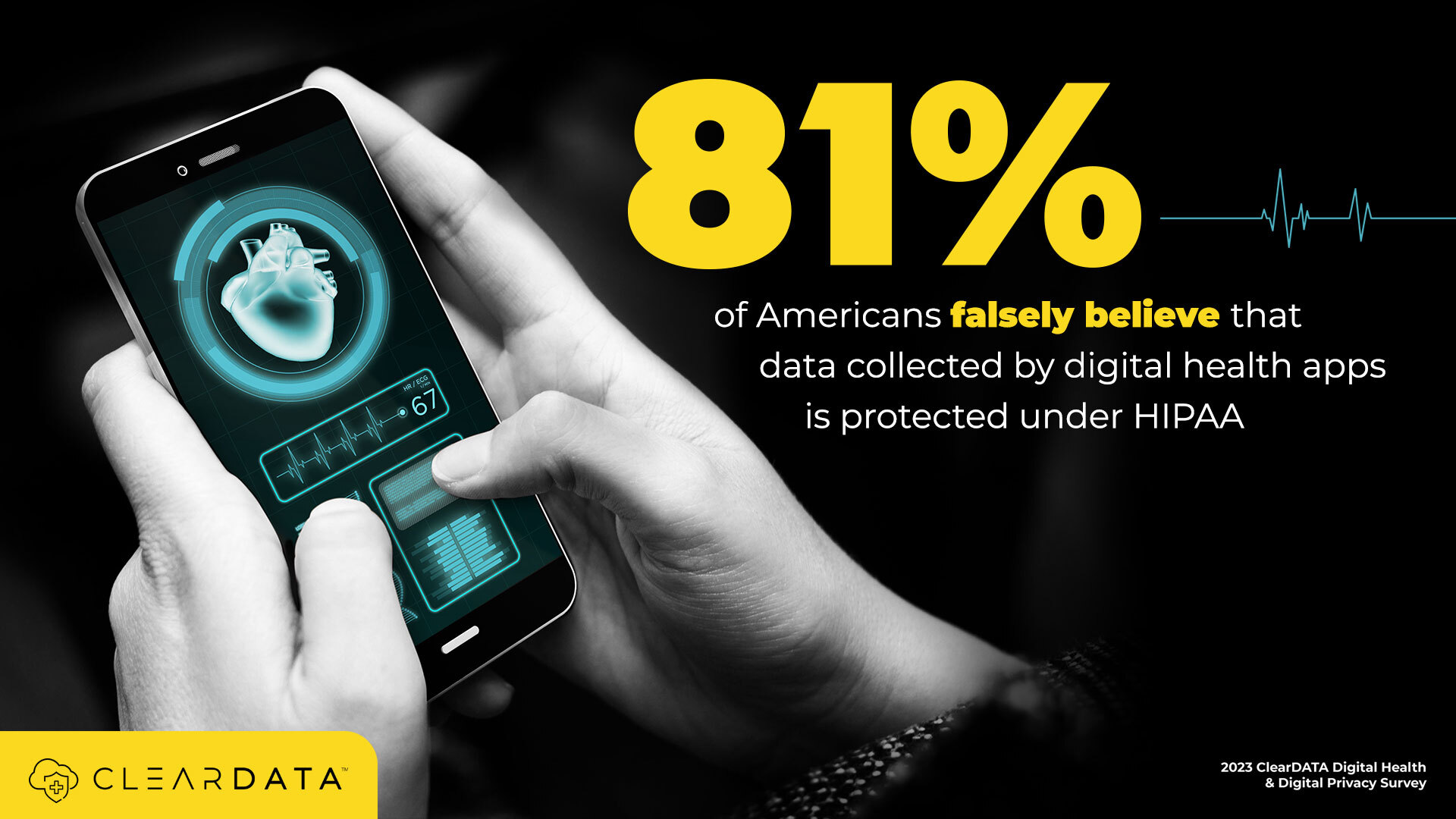
The insidious risk here transcends passive data collection. Without robust regulation, this information can be—and has been—shared, sold, or exploited in ways that jeopardize users’ health insurance, professional opportunities, and even personal safety. The cavalier attitude of many app developers toward privacy is not mere oversight but a systemic failure, where profit margins overshadow ethical imperatives. The structures enabling this betrayal are entrenched within broader digital health ecosystems, which remain startlingly underregulated.
The False Promise of Data Anonymization and Consent
Companies often hide behind assertions of data anonymization and user consent. However, these defenses are frequently hollow. The complex architecture of data ecosystems means that supposedly anonymized information can often be re-identified and cross-referenced. Consent, frequently secured via impenetrable terms of service, is obtuse at best and deceitful at worst.
Users find themselves caught in a labyrinth—enticed to engage with an app that markets itself as a guardian of health, only to discover that the convenience was a ruse to harvest their intimate data without true transparency. This process exploits vulnerabilities, often disproportionately affecting marginalized communities who rely on these digital tools for accessible reproductive health support.
The Broader Societal Implications and the Path Forward
The commodification of reproductive health data is more than a technological or privacy issue—it reflects and exacerbates oppressive power dynamics around gender and bodily autonomy. The persistent fascination with controlling and surveilling female bodies extends into the digital realm, aligning consumerism with bio-political control.
Yet, within this disenchantment lies a potent call to action. The collective outcry against non-consensual data harvesting is growing, catalyzing demands for transparency, rigorous regulation, and alternative models that center user rights over corporate profits. Feminist resistance must encompass digital sovereignty—advocating for reproductive health technologies that emancipate rather than exploit.
The road ahead requires dismantling the seductive narratives spun by reproductive health app marketers. It necessitates critical, intersectional scrutiny of how data ecosystems disproportionately impact the most vulnerable. Most importantly, it demands reclaiming control—not just over our bodies but over the digital footprints they leave behind.







Leave a Comment