
Anger—raw, unfiltered, and vital—pours out of human veins like molten lava, scorching the landscapes of social interaction. Yet, not all lava burns with equal ferocity or yields the same fertile aftermath. The way society interprets anger, particularly along the axes of race and gender, reveals not merely bias, but a hierarchical choreography of privilege. In the case of the ‘Angry White Woman’ versus the ‘Angry Black Woman,’ anger becomes a prism refracting vastly different realities, a metaphorical currency governed by deeply entrenched social codes. The former is often cloaked in nuance and perceived as warranted indignation, whereas the latter is weaponized as a stereotype, an indictment, and a dismissal. This fissure exposes the scoreboard of privilege that colors emotional expression with a kaleidoscope of prejudice, making the same emotional storm either a weathered emblem of justice or a tempest of menace.
The Gentle Fury: The Privilege of Anger for White Women
When a white woman raises her voice in protest or frustration, society frequently gazes upon her with a blend of empathy and elevated curiosity. Her anger is a manuscript of struggle, often chronicled sympathetically in mainstream dialogues. This is the anger wrapped in velvet gloves, heralded as a call to action or an emblem of strength against injustice. It is the familiar clap of thunder following a turbulent storm—intimidating yet cleansing, signaling renewal.
This brand of anger is strangely palatable, a type of justified ire that aligns comfortably with societal narratives of victimhood and resilience. It’s the nuance of her fury that renders it an almost artistic performance—a dance of protest tinged with vulnerability, with room for complexity and contradiction. The permission granted to the ‘Angry White Woman’ is a dazzling privilege that allows her to express defiance without fear of being irrevocably maligned. Her dissent is often dissected, debated, and digested as part of a larger sociopolitical dialogue—rarely reduced to dismissive stereotypes.
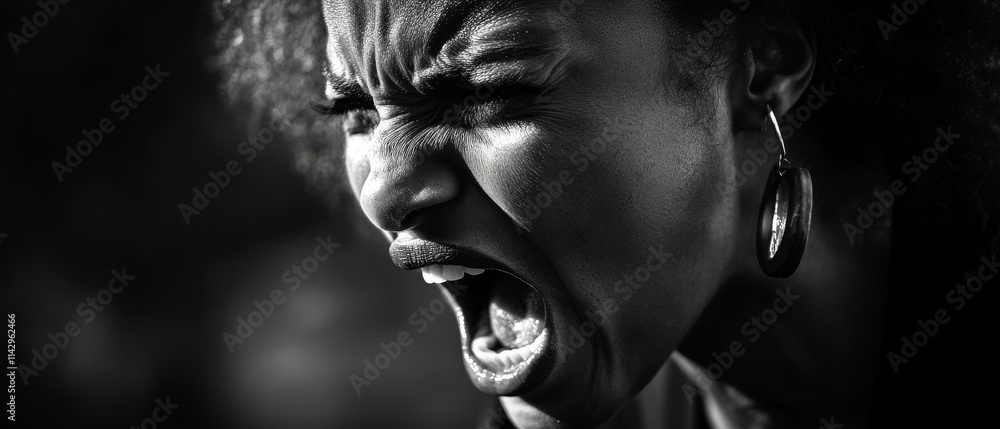
The Contorted Mirror: The Angry Black Woman Stereotype
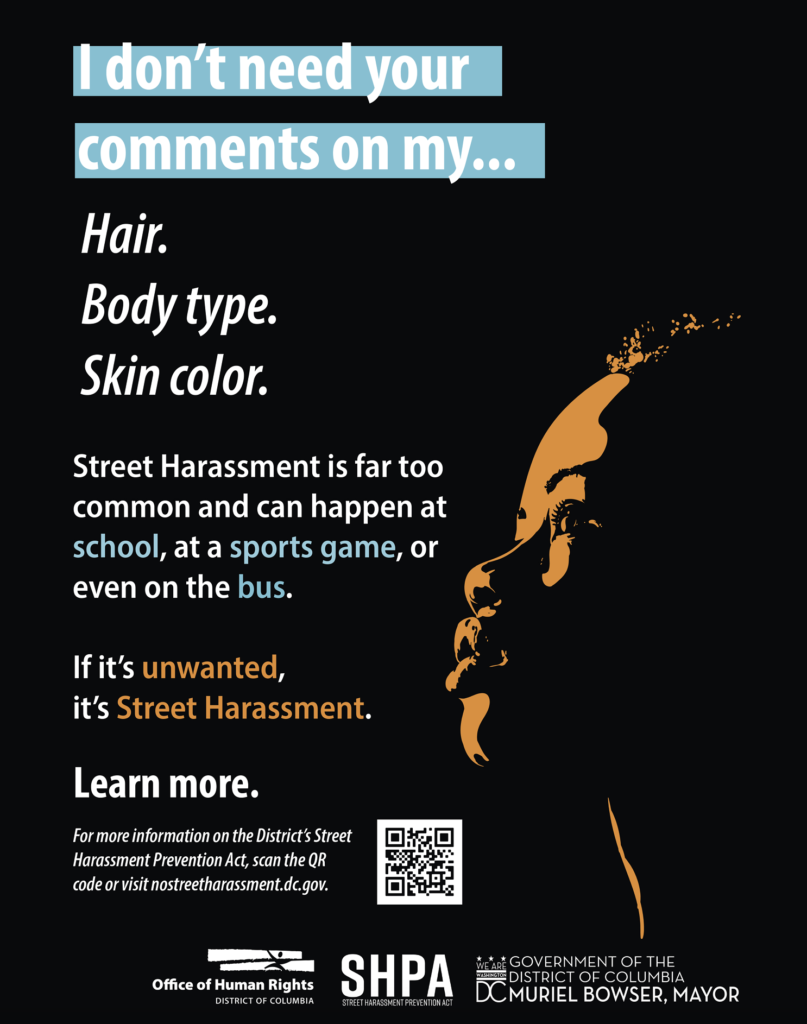
In sharp contrast looms the petrifying stereotype of the ‘Angry Black Woman.’ Here, anger is not seen as a righteous outcry but rather as a threatening caricature, a cultural distortion that erases individuality and humanity. This stereotype is a dark carnival mirror, magnifying every expression of frustration into an exaggerated menace, depriving Black women of the emotional nuance and complexity afforded to their white counterparts.
This caricature serves as a containment vessel, locking Black women into boxes rigidly defined by suspicion and hostility. The ‘Angry Black Woman’ functions as a social control mechanism, reinforcing racialized and gendered hierarchies that seek to silence or delegitimize their voices. Her anger is weaponized against her—a form of social punishment disguised as critique—and this punitive gaze ensures her outbursts are met not with understanding, but with fear, avoidance, or dehumanization.

The Political Economy of Emotional Expression
Anger is not merely an emotion; it is a political act, a declaration carved into the public consciousness. Yet the currency of anger fluctuates wildly depending on who wields it. The white woman’s anger often accrues social capital, potentially producing solidarity and change, while the Black woman’s anger is devalued, taxed with prejudice, and often erased.
The discrepancy reflects a broader societal refusal to afford Black women the full spectrum of emotional citizenship. Emotional citizenship necessitates recognition and legitimacy of feelings—something white women within the current social matrix tend to claim more easily. This privilege isn’t accidental but is deeply embedded in the pervasive legacies of systemic racism and sexism. The political economy of anger reveals how emotional expressions operate as microcosms of power relations—utterances that can either dismantle or uphold oppressive structures.
When Rage Becomes Resistance: Reclaiming Black Female Anger
Yet, within this oppressive matrix, the anger of Black women morphs into a form of fierce resistance. It becomes an instrument of survival, a defiant roar against the silencing hand of stereotypes and erasure. This anger, though uncomfortably labeled and misunderstood, serves as an essential catalyst for social critique and transformation.
It refuses to be tamed into the socially acceptable templates of emotional expression and insists upon recognition. The tempestuousness commonly assigned as a flaw to Black female anger is, in reality, a raw assertion of selfhood that disrupts the sanitizing gaze of a homogenous cultural narrative. It challenges the myopic lenses through which emotion and humanity are often judged and demands a recalibration of societal norms that privilege white affectiveness.

Bridging the Divide: Toward Emotional Equity
The chasm between the acceptance of white female anger and the vilification of Black female anger must be traversed if a truly equitable society is to be realized. This demands that we expand not only our empathy but our cultural lexicon for anger—a reclamation that invites radical repositioning of power and privilege.
Embracing emotional equity means recognizing that anger is a universal language, yet its reception is filtered through intersections of race, gender, and history. It necessitates dismantling the stereotypes that constrict Black women’s emotional expressions while interrogating the privileges that buffer white women’s anger. Only by acknowledging these divergent experiences can society begin to validate all expressions of anger as legitimate, meaningful, and powerful.
In this reimagined framework, anger becomes a shared tool for justice, one no longer hoarded by privilege but wielded collectively to ignite transformation. It is a volcanic force, no longer fragmented by racial bias but unified in its capacity to shape a future where every woman’s fury is heard and honored.






Leave a Comment