In a world obsessed with aesthetics, the concept of “pretty privilege” dances tantalizingly on the edge of societal consciousness—an invisible tax levied not in dollars, but in expectation, labor, and compromise. It’s a shadow economy where beauty confers advantages yet extracts steep costs. The very idea that attractiveness can be commodified into a currency, a form of societal leverage, compels us to interrogate not just what is gained, but what is relentlessly surrendered in return. Beneath the pastoral surface of admiration lies an intricate ledger of sacrifice, conformity, and unspoken debts. The Pretty Privilege Tax isn’t just metaphorical; it is the price tag stuck onto the body politic of personal presentation.
The Price of Beauty: Understanding Pretty Privilege
Pretty privilege exists as an ethereal entitlement awarded to those deemed attractive by prevailing standards. It is the social capital that opens doors, triggers smiles, and softens scrutiny. But this seemingly effortless advantage is an illusion, masking the hidden toll exacted by sustained beauty maintenance—time-consuming grooming rituals, emotional labor, and perpetual self-surveillance. The privilege feels like a gift, yet it is a pact with a capricious standard that demands compliance.

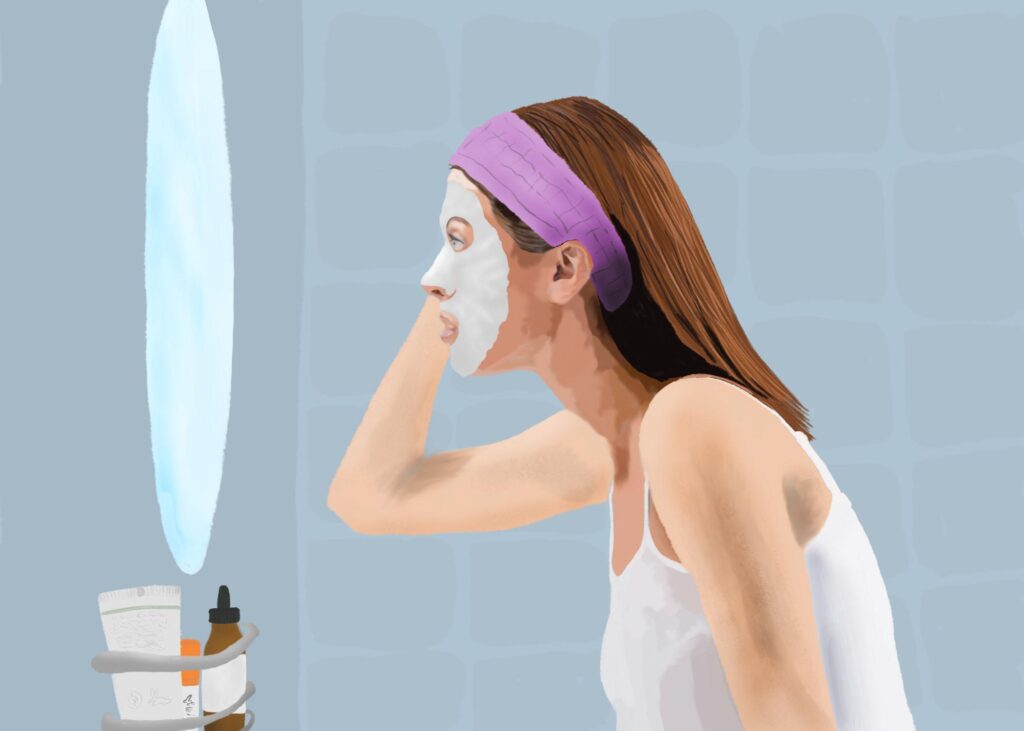
This tax manifests as relentless upkeep—a full-time occupation of hair, skin, and wardrobe management. The premium on appearance insists on moldability to ever-shifting trends and the tyranny of the flawless Instagram face. Thus, those who benefit from this privilege are simultaneously indebted to a system that commodifies their looks, converting their bodies into canvases policed by external expectations.
Emotional Labor and Psychological Burdens
Underneath the dollar and time expenses lies a profound psychological levy. Maintaining beauty privileges involves emotional labor: constantly managing how others perceive you, shouldering the weight of objectification, and navigating the precarious balance between allure and autonomy. The pretty face is often scrutinized, dismissed as superficial, and pigeonholed, rendering intellectual or emotional complexity invisible. This invisibility breeds alienation and internal conflict, a mental tax rarely accounted for.
The emotional cost is exacerbated when beauty becomes a performance, a spectacle crafted to appease or manipulate others’ gazes. True freedom is stifled by the incessant demand to appear approachable, agreeable, or non-threatening. This performative veil becomes exhausting, limiting authentic self-expression and generating anxiety that festers beneath polished veneers.
The Socioeconomic Factors of Maintaining Appearances
The financial implications of upholding beauty are substantial and deeply intertwined with socioeconomic status. Regularly purchasing cosmetic products, fashion items, salon services, and sometimes elective procedures accumulates a hefty expenditure. This economic burden is disproportionately felt by those who rely on their looks as social currency to access or maintain opportunities—especially women, people of color, and members of marginalized communities.

More than a surface-level gloss, this financial investment signifies a systemic imposition where appearance becomes a prerequisite currency for social and professional advancement. The temporal cost—hours spent grooming and curating social media personas—multiplies this debt, effectively penalizing those who are expected to perform beauty labor relentlessly to retain the invisible privilege.
The Double-Edged Sword of Pretty Privilege
Paradoxically, the benefits of pretty privilege are double-edged. While it might ease social interactions or increase workplace leniency, it also invites objectification, envy, and diminished credibility. At times, individuals wielding this privilege find their accomplishments diminished or overshadowed by their appearance. They are trapped in a Sisyphean cycle where their beauty is both armor and cage, valorized yet weaponized against them.
Society’s fascination with appearance simplifies complex humans into aesthetic abstractions. This reductive gaze engenders skepticism about their abilities and intellect, subtly undermining genuine respect. Thus, pretty privilege is not a free pass but a conditional advantage tethered to performance and fraught with risk of dismissal the moment beauty fades or deviates from the norm.
Redefining Beauty: Challenging the Tax
To dismantle the Pretty Privilege Tax, a revolutionary redefinition of beauty is imperative. This means embracing diversity in shape, color, age, and ability as foundational rather than exceptional. It calls for cultural shifts that decouple worth from appearance and that recognize the multiplicity of human value beyond the static ideal.

Moreover, it invites a refusal to participate in the covert economy of beauty consumption—resisting the compulsion to conform to hyper-commercialized aesthetic standards. Empowering individuals to reclaim their bodies from the tax collector known as societal expectation requires collective action and unwavering commitment to equity over aesthetics.
The Road Ahead: Embracing Authenticity Over Aesthetics
The journey beyond the Pretty Privilege Tax is not merely about rejecting societal standards but about forging spaces where authenticity supersedes appearance. It demands acceptance of imperfection and a celebration of individuality that rejects the homogenizing effect of beauty norms. In doing so, society can shift from valuing conformity to cherishing character, intellect, and kindness as currency far more enduring than superficial allure.
Ultimately, tearing down this tax is about reclaiming time, autonomy, and identity from a world eager to commodify bodies. It promises a horizon where beauty is a facet of human experience—not the ledger on which human worth is reckoned.





Leave a Comment