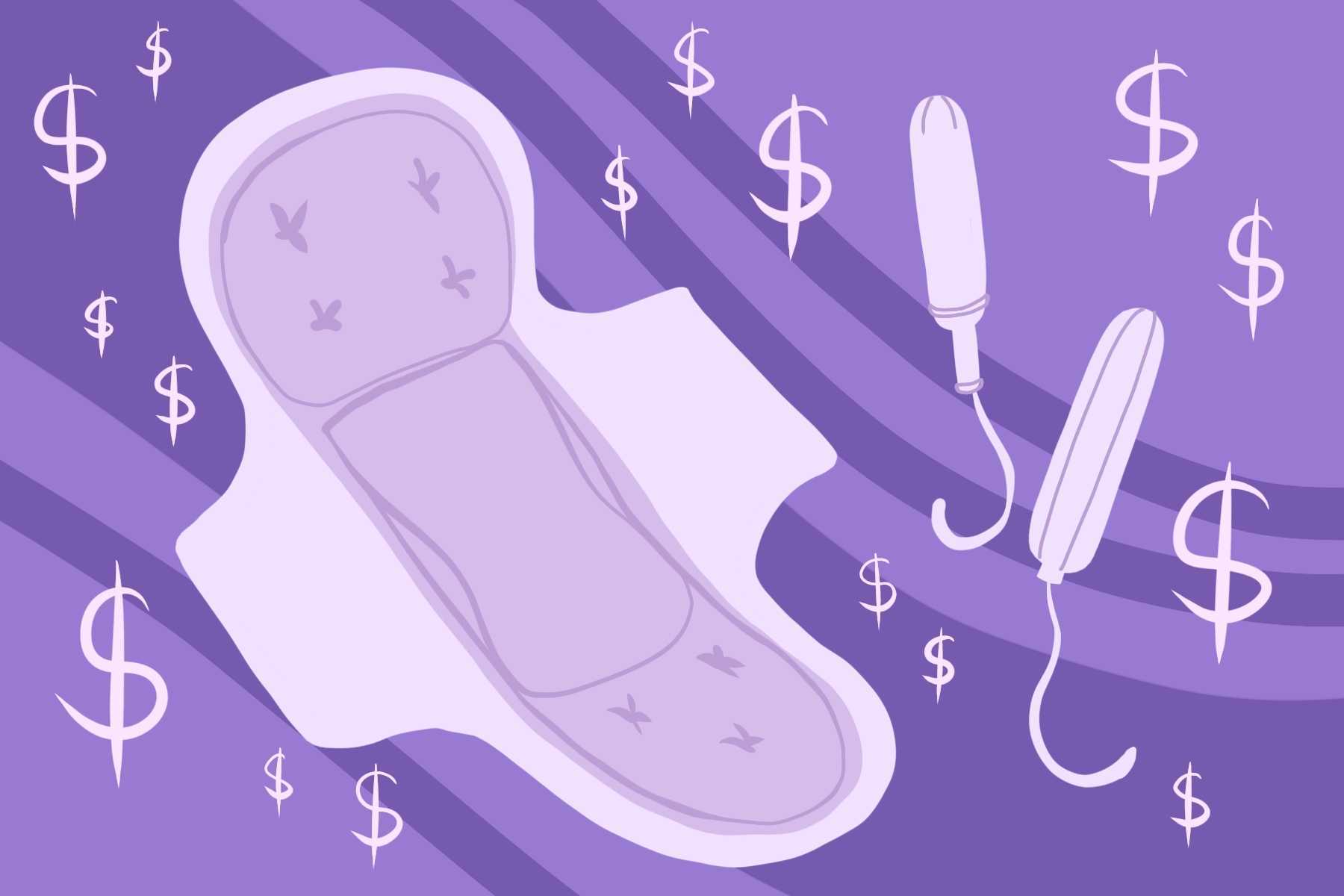
In the land often touted as the beacon of progress and equality, lies a quiet yet pervasive crisis that shatters the illusion of fairness – period poverty. This is not merely a marginal issue of neglected hygiene products but a glaring symptom of systemic neglect, societal stigma, and entrenched inequalities. While conversations about poverty often orbit around food insecurity or housing instability, the struggle to afford basic menstrual hygiene products remains veiled in silence, revealing uncomfortable truths about who we value and whose bodies we ignore.
The Invisible Crisis: What Is Period Poverty?
Period poverty refers to the inability of millions to access sanitary products, education, and facilities necessary to manage menstruation with dignity. This scarcity is not isolated to far-flung regions or impoverished nations alone; it thrives in the shadows of affluent cities and rural towns alike. The expensive reality of tampons, pads, and menstrual cups, exacerbated by the notorious “pink tax,” transforms an unavoidable biological function into an economic burden.
Women, girls, and menstruating individuals find themselves forced into impossible choices: purchase menstrual products at the expense of food or medicine, reuse unsafe materials risking infection, or miss school and workdays, further entrenching them in cycles of disadvantage. This crisis is a multifaceted nexus of poverty, education disparity, and health inequity, camouflaged beneath social taboos and political inertia.

The Stigma and Silence Surrounding Menstruation
Why does a biological process, shared across half the population, provoke such vehement discomfort? The answer extends beyond embarrassment; it is embedded in patriarchal conditioning that shrouds menstruation in shame and secrecy. From early childhood, many are indoctrinated to view periods as “dirty,” “unclean,” or taboo, silencing questions and concerns and suffocating open dialogue.
This silence is more than cultural—it is political. When society chooses silence, the urgency to remediate period poverty diminishes. Educational institutions often lack comprehensive menstrual health curricula, leaving young people misguided or misinformed about their bodies. Employers do not typically accommodate menstrual needs, treating them as trivial or inconsequential. The taboo is a weapon, cloaking a public health crisis in invisibility and denying menstruators their rights.
Economic Dimensions: The “Pink Tax” and Product Accessibility
Menstrual hygiene products are disproportionately taxed and priced, a phenomenon pivoting on gender-based economic discrimination often overlooked. The “pink tax” inflates the cost of products predominantly marketed to women, including tampons and pads, with some states still applying sales tax to these essentials. This economic penalty presumes the disposable income that many cannot afford, cementing sanitary products as luxury rather than necessity.
Furthermore, grocery stores and pharmacies sometimes limit availability or location of these products, making access physically and psychologically daunting. The uneven distribution leaves marginalized communities—especially those in rural areas or economically depressed urban neighborhoods—facing scarcity or resorting to makeshift alternatives. The commodification of menstrual care is a reflection of deeper capitalist prioritizations that devalue female health and bodily autonomy.
The Intersectionality of Period Poverty: Who Is Most Affected?
Period poverty does not impact all menstruators equally. Its intersection with race, class, age, and geographic location reveals staggering disparities. Women of color face disproportionate financial burdens and cultural stigma, navigating systemic racism alongside menstrual inequity. Immigrant populations and homeless individuals confront layered barriers of language, social exclusion, and lack of access to services.
Young girls in low-income households bear the brunt, as missing school during menstruation deepens educational gaps and undermines future opportunities. For incarcerated women, menstrual products are either rationed or altogether denied, a blatant violation of human rights. The invisibility of these struggles is itself a manifestation of society’s disengagement from the needs of the marginalized, framing period poverty not only as a health crisis but a civil rights emergency.
Health Implications: Beyond Hygiene Into Physical and Mental Well-being
Using unhygienic materials and enduring extended menstrual cycles due to lack of products spawns serious health complications. Urinary tract infections, reproductive tract infections, and other chronic conditions have been directly linked to period poverty. Yet, the health discourse often neglects these biological realities, focusing instead on a superficial characterization of menstruation as inconvenient or embarrassing.
Equally disturbingly, the psychological toll is profound. Feelings of shame, anxiety, and diminished self-worth proliferate when managing menstruation becomes a source of stress and humiliation. This ongoing psychological weight exacerbates broader mental health challenges that disproportionately affect marginalized groups, weaving period poverty into the fabric of social and emotional distress.
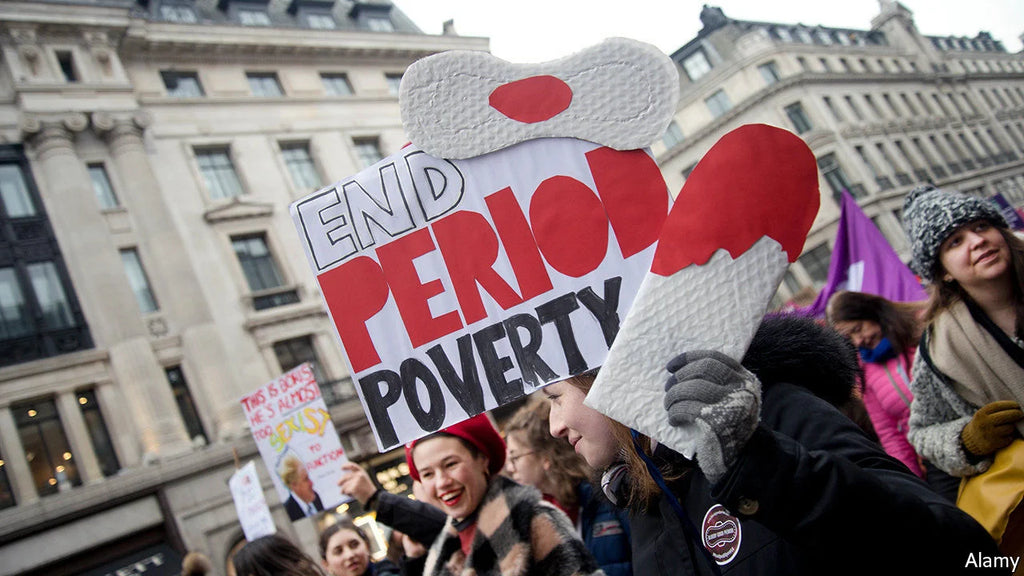
Legislative and Community Responses: Marching Towards Change
Recently, a burgeoning awareness has punctured the silence around period poverty, sparking legislative efforts and grassroots mobilizations. Some states have abolished tampon taxes, mandated free menstrual products in schools, prisons, and shelters, and allocated funding to support accessibility initiatives. However, these gains remain patchy and insufficient in scope to dismantle systemic barriers.
Community organizations, activists, and feminist collectives tirelessly distribute menstrual products, conduct educational workshops, and challenge cultural taboos. Their work underscores an undeniable truth: menstrual justice is social justice. The movement demands reframing menstruation not just as a health issue but a matter of economic equity, racial justice, and gender rights.
The Road Ahead: Shattering Myths and Demanding Equity
Addressing period poverty is more than providing pads; it requires a revolutionary reimagining of societal priorities, healthcare frameworks, and gender politics. It necessitates dismantling patriarchal stigma, uprooting capitalist structures that commodify bodies, and confronting systemic racism. It asks us, collectively, to confront discomfort and prioritize dignity for all menstruators.
As long as the crisis remains obscured, millions will endure cycles of deprivation and exclusion. The time to shatter silence and demand menstrual equity is long overdue. Only by recognizing the profound intersections of biology, economy, and culture can true transformation emerge—where menstruation is met not with stigma, but with respect, care, and justice.








Leave a Comment