
In societies that laud valor and sacrifice, the concept of patriotic duty traditionally conjures images of soldiers marching to the battlefield, heroes defending their homeland. Meanwhile, the realm of maternity leave—an intimate interval of nurturing new life—often stands apart, regarded through an entirely different cultural lens. This schism between maternity leave and patriotic obligation uncovers deep-rooted contradictions in societal values, gender expectations, and the recognition of caregiving as a formidable act of service. Exploring this disconnect unveils a panorama where the valor of parenting, especially female parenting, deserves no less reverence than the gallantry attributed to national defense.
The Mythologized Patriotic Duty and Gendered Expectations
Patriotic duty is frequently synonymous with male-dominant narratives of combat, protection, and public sacrifice. This narrow definition marginalizes myriad forms of contribution vital to societal flourishing. While men are valorized for their readiness to shed blood for the nation, women—often relegated to the private sphere—engage in labor equally necessary but markedly undervalued: the biological and emotional task of childbirth and child rearing.
This idealization of the militant archetype marginalizes maternal labor. Women who step away from the workforce for maternity leave confront not only economic setbacks but also social invisibility. Their “service” remains unacknowledged in the patriotic imagination, symbolizing a profound societal failure to equate caregiving with national contribution.
Maternity Leave as an Unseen Frontline
Let us rethink maternity leave as a frontline—a sacred battlefield where the future of any nation is forged. The physical, psychological, and emotional sacrifices entailed in childbirth and early nurturing of life demand societal reverence. The gestational period is grueling; postpartum recovery, often dismissed or rushed, exposes women to immense vulnerability. Yet, these sacrifices ripple outward, ensuring the strength and continuity of the nation’s most precious resource—its people.
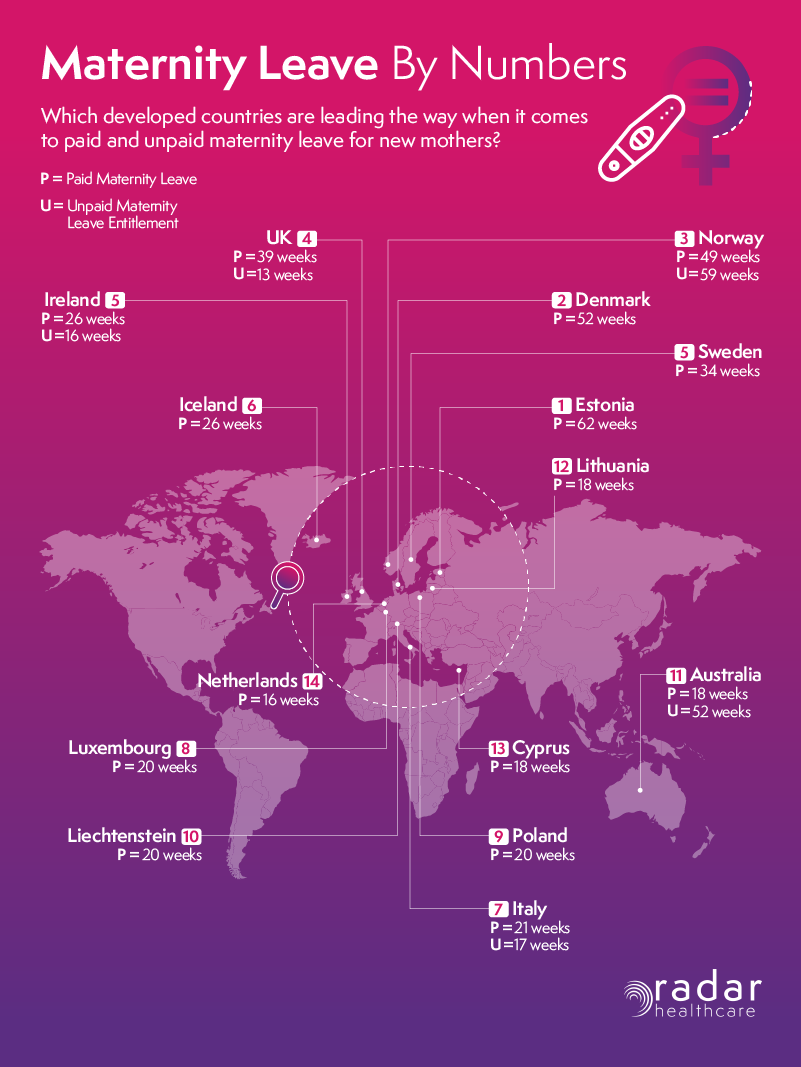
Despite this, maternity leave policies remain fragmented, frequently minimalistic, and uneven across the globe. Comparing these to generous military leave allowances in some countries exposes a glaring disparity in how “service” is calculated and rewarded. The failure to provide expansive maternity support equates to neglecting both the mother’s well-being and the holistic health of the nation.

Patriotic Duty Beyond the Battlefield: Redefining National Service
The prevailing paradigm forcibly narrows patriotic duty into a militaristic mold. Yet, a broader, more inclusive conception acknowledges that nation-building transcends the deployment of arms. It includes the cultivation of citizens who will inherit, challenge, and transform societal structures.
Raising a child is inherently an act of patriotism. Mothers and fathers who nurture resilience, empathy, critical thinking, and social consciousness in their offspring perform an indispensable service. However, the cultural elevation of paternal leave remains stunted, and paternity leave is often tokenistic or treated as an afterthought rather than a shared responsibility. This disparity perpetuates the myth that childrearing is predominantly a mother’s burden and that paternal absence from domestic spheres has negligible societal impact.
The Economic and Sociopolitical Implications of the Disconnect
The frayed relationship between maternity leave and patriotic duty is not merely cultural; it manifests in pernicious economic consequences. Women, disproportionately affected by insufficient leave policies, face career interruptions leading to wage penalties, diminished advancement opportunities, and a pervasive gender wealth gap.
Societies that fail to recognize caregiving as patriotic labor sabotage their own economic vitality. Workforce attrition, reduced female participation, and long-term health costs owed to inadequate postpartum care drain national resources. Moreover, insufficient paternal involvement perpetuates entrenched gender inequalities, restricting the transformative potential of equitable co-parenting models.
Bridging the Divide: Towards Policy and Cultural Realignment
Resolving this schism demands an urgent recalibration of public policy and cultural narratives. Progressive maternity and paternity leave policies are imperative, ensuring that caregiving responsibilities are equitably shared and socially esteemed. Importantly, extended paternal leave normalizes fatherly participation, dismantling archaic gender roles and emphasizing caregiving as a collective, patriotic endeavor.
Public discourse must evolve, promoting awareness that childbirth and early nurturing constitute a vital dimension of national service. Education campaigns, media representations, and workplace reforms are pivotal in elevating caregiving from the shadows into the pantheon of patriotic sacrifice.

The Role of Feminist Activism in Reclaiming Patriotic Narratives
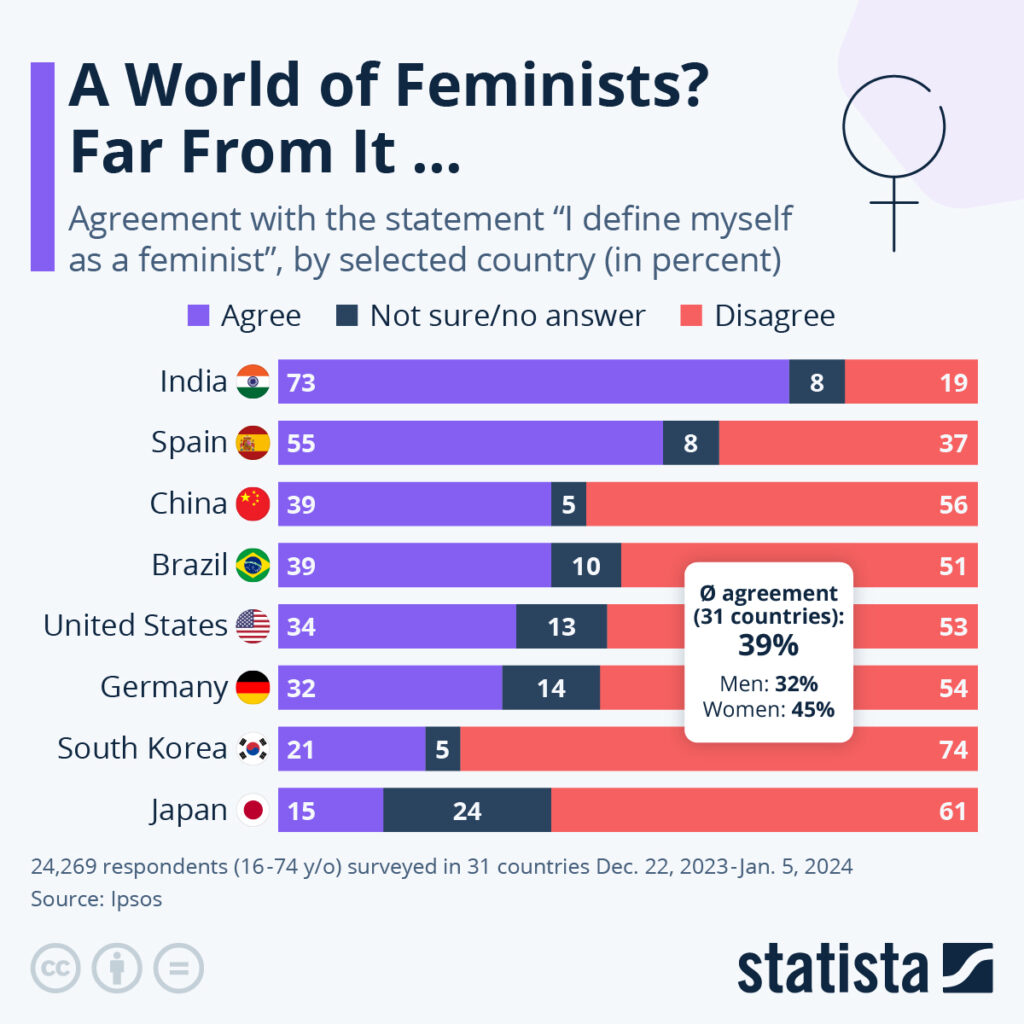
Feminist activism stands at the forefront of this reclamation. By challenging militaristic monoliths of patriotism and championing caregiving as transformative power, feminists expose entrenched inequities. This movement demands acknowledgment that the bravery of childbirth and the endurance of parenthood are acts of revolutionary courage deserving of societal validation.
Activists push for structural change while cultivating narratives that valorize motherhood and shared parenting. Only through a multi-pronged approach—legal, social, and cultural—can societies reconcile the maternity leave vs. patriotic duty disconnect and foster a genuinely inclusive definition of service.
Conclusion: Reconceptualizing Duty and Valor
Patriotic duty must transcend outdated, narrowly gendered heroics to embrace the multifaceted nature of service, including the formidable contributions of motherhood and caregiving. Recognizing maternity leave as an act of patriotic significance is not just an ideological pivot—it is essential for crafting equitable, resilient societies. As the frontline of national continuity, caregiving deserves to be honored with the same fervor as any soldier’s march into battle, rewriting the narrative to reflect the valor inherent in nurturing life itself.








Leave a Comment