The Olympics, that glittering spectacle of human endeavor, where nations gather to celebrate the pinnacle of athletic prowess. Yet, beneath the dazzle of gold medals and national anthems, lurks a persistent specter: the specter of mansplaining. Not the kind that happens in boardrooms or dinner parties, but the Olympic variety—a relentless, performative condescension that insists on framing women’s victories as exceptions to the rule, as if their triumphs are mere footnotes in a story written by men.
When Gold is Just the Beginning: The Triumph of Existing
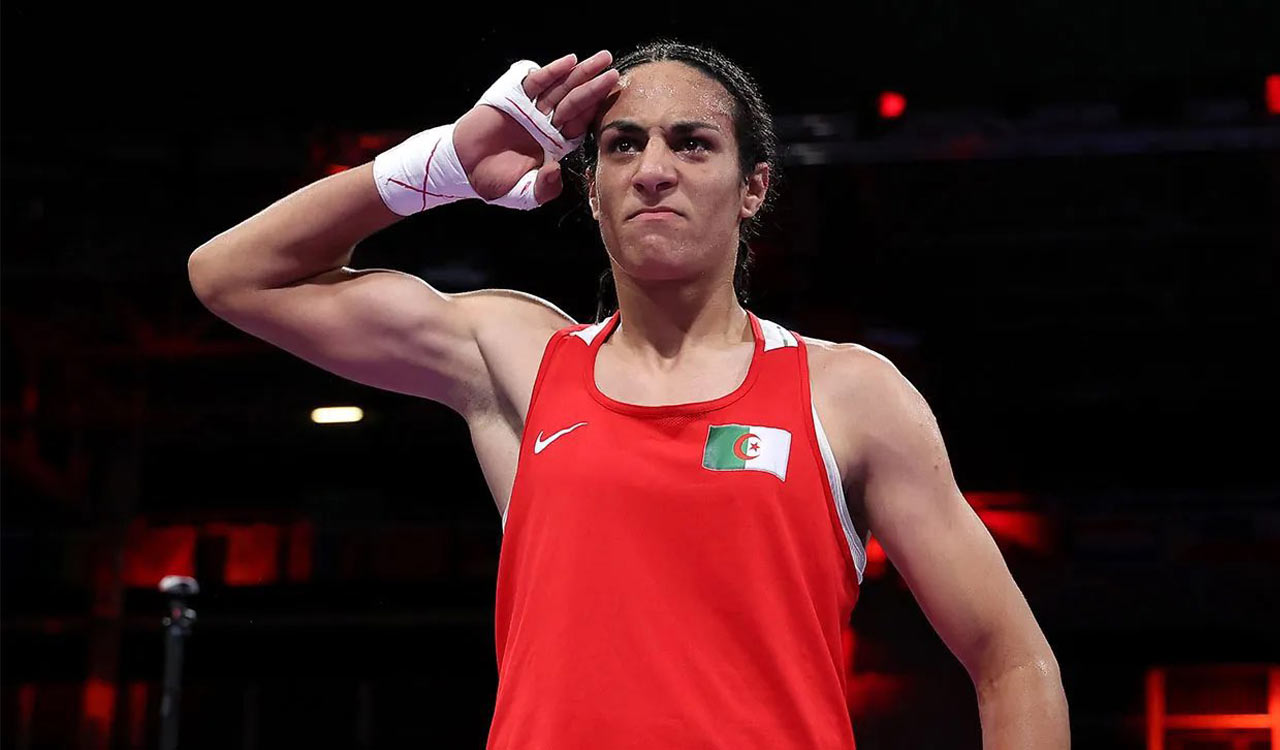
Imane Khelif, the Algerian boxer, didn’t just win gold in Paris. She didn’t just punch her way through a gauntlet of opponents, her fists a blur of defiance against the weight of centuries of patriarchal scrutiny. No, she did something far more radical: she existed. And in doing so, she exposed the flimsy scaffolding of the arguments that sought to delegitimize her victory before the first bell even rang.
The controversy wasn’t about her skill—it was about her body. A body that dared to defy the narrow, binary fantasies of what a woman should be. The same old tropes trotted out like a tired playbook: “She’s too masculine.” “Her chromosomes are a problem.” “She’s not a real woman.” As if womanhood were a monolith carved from marble, rather than a spectrum of flesh, bone, and relentless determination. Khelif’s gold wasn’t just a medal around her neck; it was a middle finger to the gatekeepers who would rather see her disqualified than celebrated.
The Mansplaining Playbook: A Masterclass in Missing the Point
Let’s dissect the mansplaining Olympics, that grand theater where men in suits and commentators in studios take it upon themselves to explain to the world what a woman is—or, more accurately, what she isn’t. The script is as predictable as it is infuriating:
- Phase 1: The “Concern Troll.” “We just want to understand the science behind her eligibility!” they say, eyes wide with faux innocence. As if science were a monolith and not a living, breathing discipline that evolves with every new discovery.
- Phase 2: The “What About the Men?” “Why don’t we talk about male athletes who dominate their sports?” they ask, as if the existence of one injustice somehow nullifies another. It’s the rhetorical equivalent of demanding to know why the Titanic sank while ignoring the iceberg.
- Phase 3: The “She’s Not Like Other Girls.” “She’s so strong, so fierce—almost like a man!” they marvel, as if strength were a gendered trait rather than a human one. It’s the ultimate backhanded compliment, a way to praise a woman by erasing her womanhood.
The mansplainers of the Olympics aren’t just commentators; they’re the architects of a narrative that seeks to shrink women back into the boxes they’ve fought so hard to escape. And their weapon? The same one used against women since time immemorial: doubt. Doubt in her body, doubt in her identity, doubt in her right to stand atop the podium without a disclaimer.
Team USA’s Basketball Dominance: A Victory for the Boys’ Club
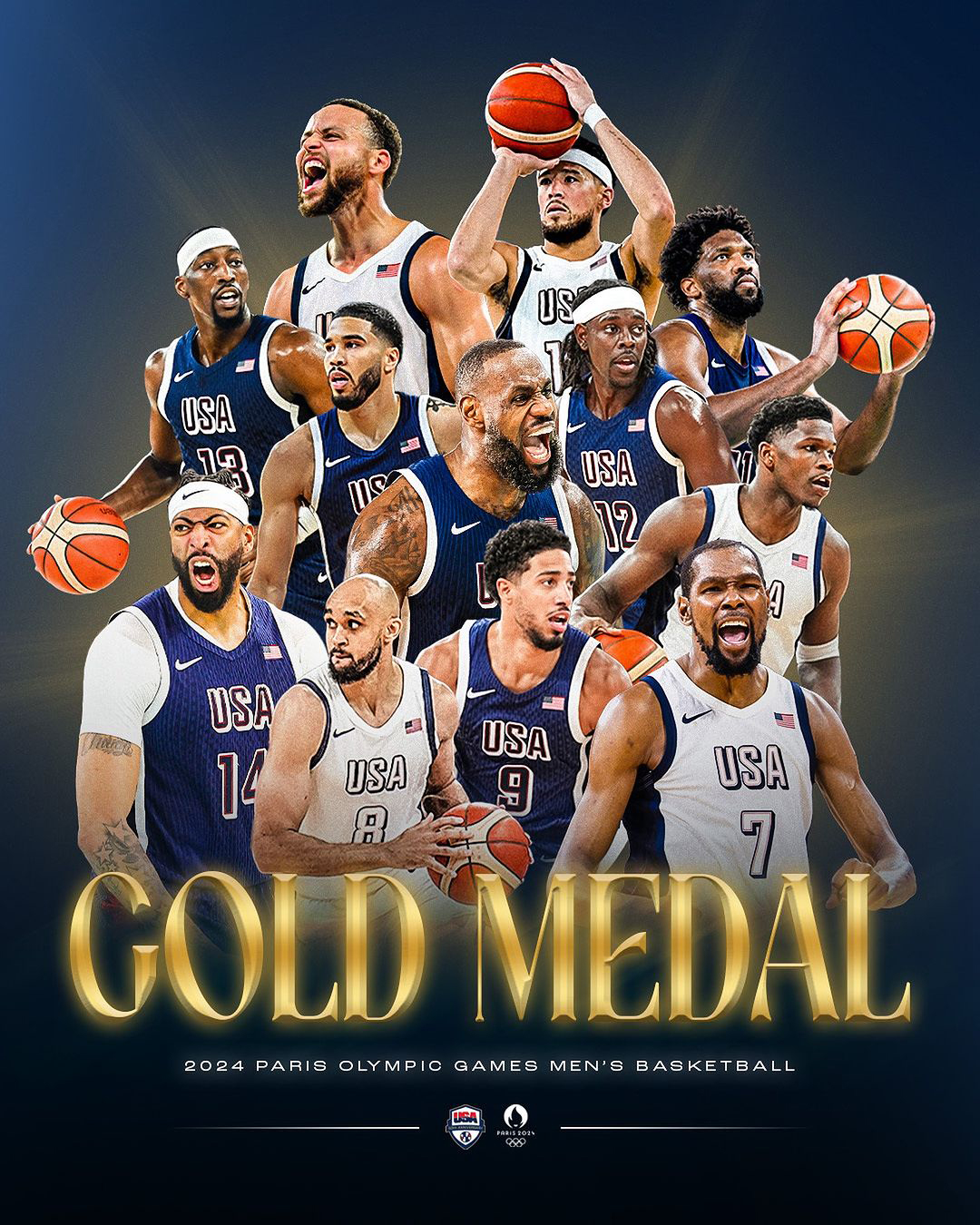
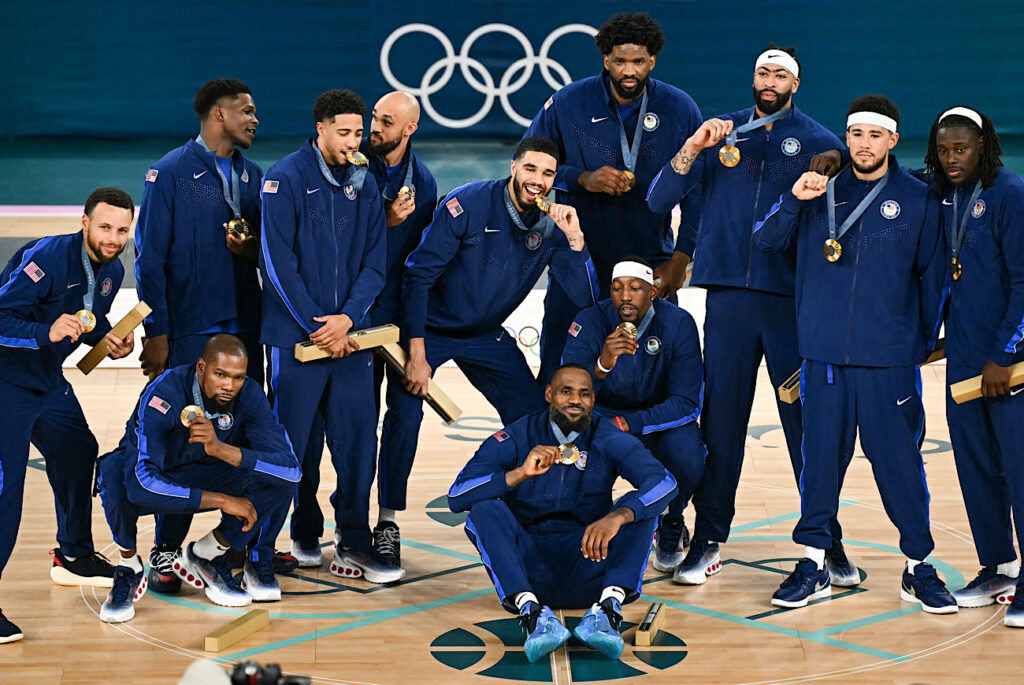
While Khelif was busy dismantling stereotypes in the ring, Team USA’s men’s basketball team was busy dismantling France in the final—a victory that, while impressive, was met with far less scrutiny. LeBron James, the tournament’s MVP, was lauded for his leadership, his experience, his sheer dominance. No one questioned his eligibility. No one demanded to see his birth certificate. His gold medal was a foregone conclusion, a reward for a lifetime of being the kind of man who fits neatly into the Olympic ideal.
Contrast that with Khelif, whose every move was dissected, whose every punch was a potential scandal. The double standard isn’t just glaring; it’s a chasm. It’s the difference between being celebrated for your achievements and being tolerated despite your existence. Team USA’s victory was a triumph of athleticism; Khelif’s was a triumph of resilience. One was expected. The other was revolutionary.
What If the Olympics Were Designed for Women?
Imagine, for a moment, an Olympics where women’s bodies weren’t a subject of debate but a given. Where strength wasn’t gendered, where victory wasn’t contingent on proving one’s femininity. What would that look like? Would the events be different? Would the narratives?
Perhaps the real scandal isn’t that Imane Khelif won gold. Perhaps the scandal is that we’re still having this conversation at all. That in 2024, a woman’s right to compete—let alone win—is still up for debate. The Olympics should be a celebration of human potential, not a battleground for outdated ideologies. Yet here we are, watching as women carve out space in an arena that would rather shrink them than share the spotlight.
The mansplaining Olympics isn’t just a sideshow. It’s a mirror held up to society, reflecting our collective discomfort with women who refuse to be small. Khelif’s gold isn’t just a medal; it’s a manifesto. It says: I am here. I am strong. I am enough. And if that’s not revolutionary, I don’t know what is.
The Uncomfortable Truth: We’re All Complicit
It’s easy to point fingers at the commentators, the trolls, the armchair scientists dissecting women’s bodies. But the truth is messier. We’re all complicit in a system that rewards men for existing while demanding women prove their worth at every turn. The mansplaining Olympics isn’t just their fault; it’s ours for buying into the narrative that women’s victories are exceptions rather than the rule.
So what’s the solution? Do we boycott the Olympics? Do we demand apologies from every pundit who ever questioned a woman’s right to compete? No. The solution is simpler, and far more radical: we stop treating women’s achievements as novelties. We stop acting surprised when they win. We stop asking for their birth certificates and start asking for their stories.
The next time you watch an Olympic event, ask yourself: Who is being celebrated? Who is being scrutinized? And why does it always feel like the women are running uphill while the men are coasting downhill?
The mansplaining Olympics ends when we decide it does. And that decision starts now.










Leave a Comment