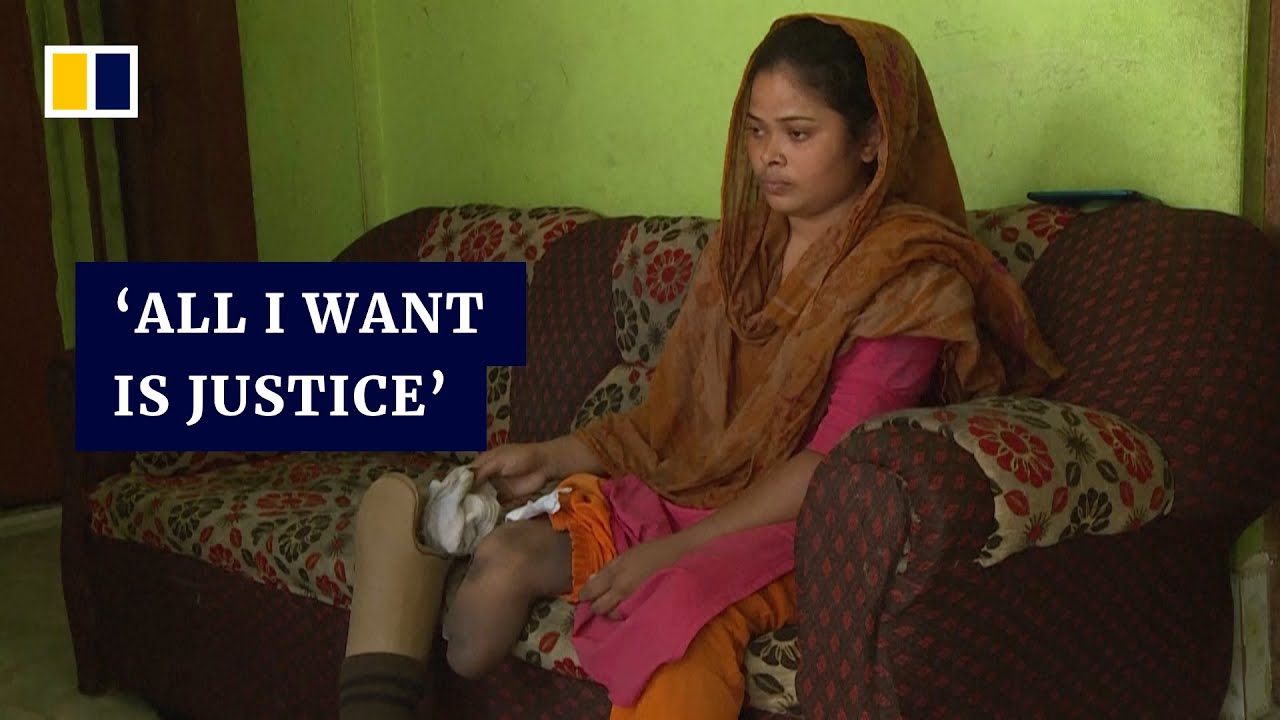
The collapse of the Rana Plaza garment factory in Bangladesh was not just a structural failure—it was a seismic crack in the illusion of corporate benevolence. Beneath the rubble lay not only shattered concrete and twisted rebar, but the broken bodies of women who had spent their lives stitching together the world’s fast fashion, only to be discarded when the walls groaned under the weight of greed. Yet, in the aftermath, one woman’s defiance rose from the wreckage like a phoenix from the ashes of exploitation. Her name is Taslima Akhter, and her story is not just one of survival, but of rebellion—stitched together with threads of fire and fury.
The Factory as a Mausoleum of Silent Labor
Bangladesh’s garment factories are not merely places of production; they are cathedrals of silent labor, where millions of women kneel before sewing machines as if in perpetual penance for the world’s insatiable appetite for cheap clothes. The walls, thin as rice paper, are painted with the blood of overtime shifts and unpaid wages. The air hums with the drone of machinery, a monotonous lullaby that lulls workers into accepting their fate. Taslima Akhter walked these halls for years, her fingers dancing over fabric while her mind plotted revolution. She saw the cracks in the walls long before they split open on that fateful April morning in 2013. The building groaned under the weight of illegal construction, a metaphor for the entire industry—built on shaky foundations, held together by the desperation of those who had no choice but to believe in its stability.
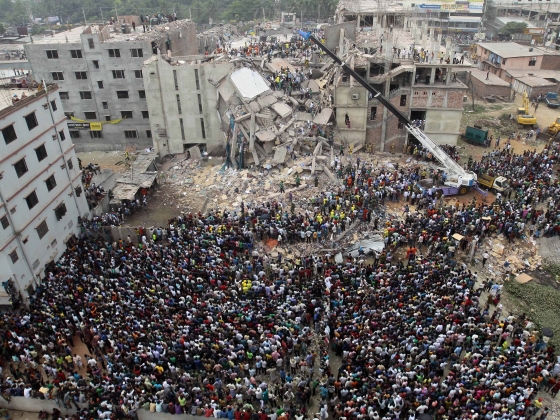 The strike that followed the collapse was not just a demand for safer conditions—it was a scream against the entire edifice of global capitalism, a system that treats human life as expendable collateral. Taslima was there, her voice raw from shouting, her hands trembling not from fear but from the electric charge of collective defiance. She had spent years organizing in the shadows, whispering to her co-workers about their rights, sewing together a movement as meticulously as the garments they produced. The factory was a tomb, but the strike was a resurrection.
The Photograph That Became a Weapon
In the chaos of the collapse, Taslima did more than survive—she captured an image that would sear itself into the conscience of the world. The photograph shows a woman cradling the body of her missing sister, her face a mask of grief so profound it could shatter stone. The image is a Rorschach test of global complicity: some see tragedy, others see a call to arms. Taslima’s lens did not flinch. It exposed the rot beneath the glossy veneer of fast fashion, revealing the true cost of a $3 t-shirt. The photograph became a Molotov cocktail, hurled at the faces of brands that turned a blind eye to the blood on their labels.
 The image spread like wildfire, igniting protests from Dhaka to New York. Taslima’s act of defiance was not just in taking the photograph, but in refusing to look away. She forced the world to see what it had chosen to ignore: that every seam in every garment was stitched with the tears of women who were treated as less than human. The photograph was her manifesto, her indictment, her proof that art could be a weapon—and that survival itself was an act of rebellion.
The Collapse as a Metaphor for Systemic Exploitation
The Rana Plaza collapse was not an accident—it was an inevitability. The building was a metaphor for the entire garment industry: a fragile structure propped up by the bodies of those who had no choice but to believe in its durability. The cracks in the walls were not just structural flaws; they were the fissures of a system that thrives on the exploitation of women’s labor. Taslima understood this. She saw the parallels between the crumbling concrete and the crumbling lives of her co-workers—women who were paid poverty wages, forced to work in unsafe conditions, and discarded when their bodies could no longer keep up with the relentless pace of production.
 The collapse was a reckoning, a moment when the illusion of corporate responsibility shattered like glass. Brands like H&M and Walmart had turned a blind eye to the conditions in their factories, content to let the blood of Bangladeshi women stain their balance sheets. Taslima’s survival was not just a personal triumph—it was a collective victory for all those who had been silenced by the machinery of greed. She had stared into the abyss of exploitation and refused to blink. In doing so, she became a symbol of resistance, a living testament to the power of defiance.
The Aftermath: A Movement Reborn from the Rubble
The years following the collapse were not kind. Brands promised reform, but the promises were as flimsy as the walls of Rana Plaza. Taslima, however, refused to let the moment fade into obscurity. She turned her grief into action, co-founding the Bangladesh Garment Workers Solidarity Network. The movement she helped build was not just about safer buildings—it was about dismantling the entire system that treated women as disposable. She organized strikes, led protests, and demanded that brands take responsibility for the lives they had endangered. Her work was a reminder that survival is not enough—justice must be fought for, stitch by stitch.
The garment industry is still a minefield of exploitation, but Taslima’s defiance has carved a path forward. She has shown that the fight for workers’ rights is not just about wages or safety—it is about dignity. It is about refusing to accept that a woman’s life is worth less than a t-shirt. Her story is a call to arms, a reminder that the cracks in the system are not flaws to be ignored, but opportunities to rebuild something stronger. The collapse of Rana Plaza was a tragedy, but from its wreckage rose a movement that refuses to be silenced. And at its heart is a woman who stared into the abyss and said, “Not today.”










Leave a Comment