
What if the key to dismantling the labyrinthine nightmare of sexual assault protocols wasn’t just policy reform, but a radical reimagining by someone who had once navigated its darkest corridors as a survivor? Meet the woman who did just that—transforming her pain into power, her trauma into strategy, and her voice into a weapon. She didn’t just fix the system; she rewrote it from the inside out, proving that the most revolutionary change often comes from those who’ve been broken by the status quo.
The Protocols Were Broken—So She Became the Architect of the New Blueprint
The sexual assault protocol wasn’t just flawed; it was a minefield of re-traumatization, bureaucratic indifference, and institutional gaslighting. Survivors were shuttled through a gauntlet of distrust, where their pain was dissected, their memories dissected, and their dignity dissected—all under the guise of “justice.” But she saw the rot at the core. The system wasn’t just inefficient; it was designed to fail. So she did the unthinkable. She became the general. Not of an army, but of a revolution.

The old protocol was a Rube Goldberg machine of suffering—each step designed to extract just enough information to justify its own existence, while delivering precious little in the way of actual resolution. Medical exams were dehumanizing. Police interviews were interrogations. Courtrooms were theaters of secondary assault. And the worst part? The system treated survivors like they were the problem. So she flipped the script. She didn’t just tweak the flowchart; she incinerated it and drew a new one in its ashes.
From Survivor to Strategist: The Art of Turning Pain into Power
Survivors are often told to “move on,” as if healing is a linear path and not a labyrinth of triggers, setbacks, and silent screams. But she refused to be silenced. She took the chaos of her experience and forged it into a weapon—one that could cut through the red tape of indifference. Her journey wasn’t about “getting over it”; it was about weaponizing her trauma to expose the system’s weaknesses.
She studied the gaps. Where were survivors falling through the cracks? In the lack of trauma-informed training for first responders. In the glacial pace of investigations. In the cultural narrative that still whispered, “She was asking for it.” So she built a protocol that didn’t just react to assault—it anticipated it. A system that didn’t just punish perpetrators but prevented them. A framework that didn’t just listen to survivors but centered them.

The old system treated survivors like evidence to be collected, not people to be protected. Her protocol treated them like the experts they were—the only ones who truly understood the terrain of their own trauma. She didn’t just fix the system; she decentralized it. Survivors weren’t just participants; they were co-authors of the new rules.
The Playful Provocation: What If the System Was Designed for Them, Not Against Them?
Let’s play a game of hypotheticals, shall we? What if every police officer responding to a sexual assault call had to complete a mandatory course on trauma responses? What if every hospital ER had a dedicated “survivor advocate” whose sole job was to ensure no one was left drowning in paperwork or shame? What if the courtroom wasn’t a stage for victim-blaming, but a space for accountability without humiliation?
These aren’t radical ideas—they’re basic human decency. Yet the old protocol treated them like luxuries. Like survivors were lucky to get crumbs from the table of justice. But she flipped the script. She asked: What if the system existed to serve them, not to surveil them? What if “justice” wasn’t a distant mirage, but a tangible, accessible reality?
And here’s the playful challenge: If we can redesign a protocol for one of the most harrowing experiences a person can endure, why can’t we do the same for every other systemic failure? If we can center the voices of the most marginalized in one arena, why not in all of them?
The Unseen Battle: Convincing the World That Survivors Deserve Better
Of course, not everyone was thrilled about her revolution. The old guard—those who benefited from the status quo—pushed back. Hard. They called her “too emotional.” They accused her of “politicizing trauma.” They dragged out the usual playbook of discreditation: “She’s just bitter.” “She’s making it up.” “She’s trying to profit off her pain.”
But she had already stared into the abyss of their skepticism and refused to blink. She knew the truth: Their resistance wasn’t about facts. It was about power. The old protocol wasn’t broken by accident; it was designed to keep certain people in control. Survivors weren’t meant to be heard. They were meant to be managed.
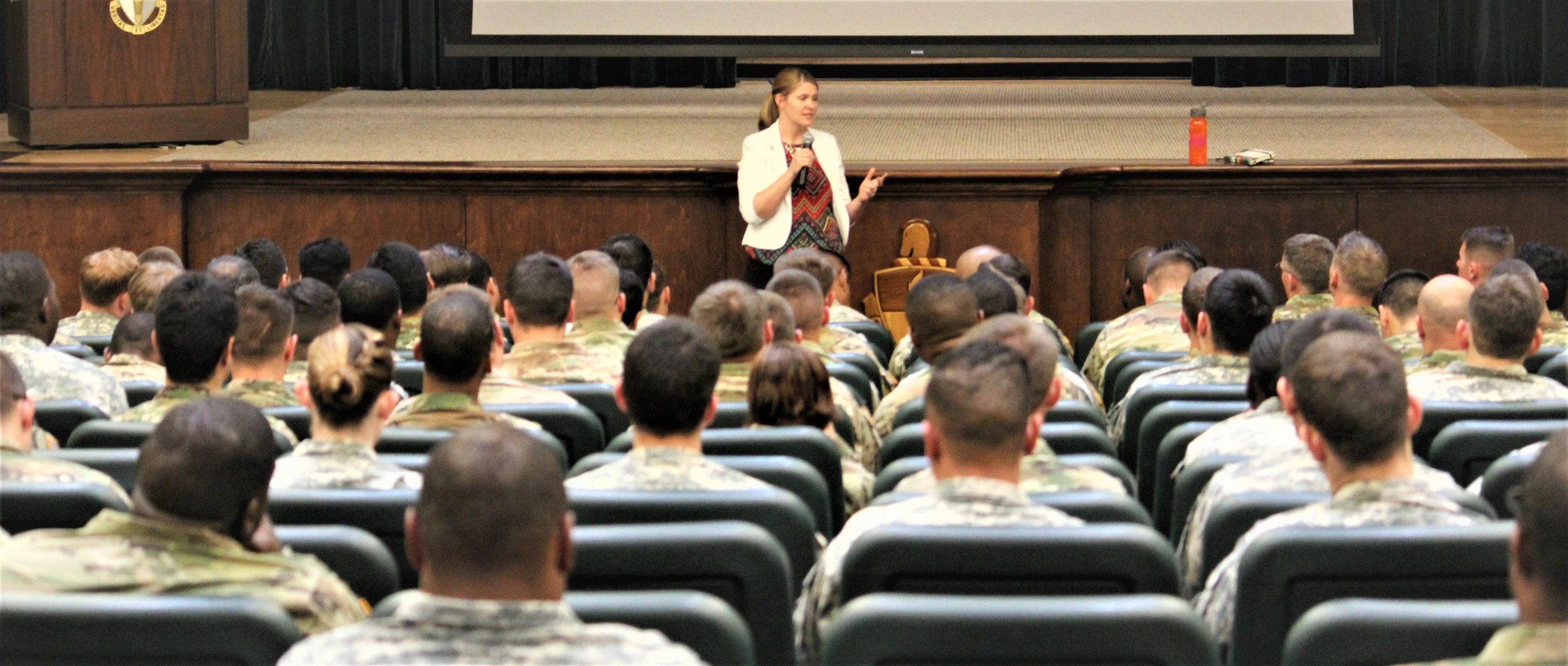
So she fought back with data. With stories. With the unassailable logic of her own experience. She proved that trauma-informed care wasn’t a soft option—it was a necessity. That survivor-led protocols weren’t a concession; they were a correction. And slowly, the tide turned. Because when the system is built on the backs of the broken, the only way forward is to burn it down and build something new.
The Ripple Effect: How One Protocol Changed the Game for Everyone
Her work didn’t just fix a broken system—it exposed how deeply broken the entire culture of justice had become. She didn’t just reform a protocol; she redefined what justice could look like. And the best part? She didn’t do it alone. She built a movement. A chorus of voices demanding better. A legion of survivors who refused to be invisible.
Now, other institutions are scrambling to catch up. Hospitals are training staff. Police departments are rewriting policies. Courts are rethinking how they handle trauma. And survivors? They’re finally being heard. Not as victims, not as liabilities, but as the architects of a new way forward.
The old protocol was a cage. She turned it into a launchpad.







Leave a Comment