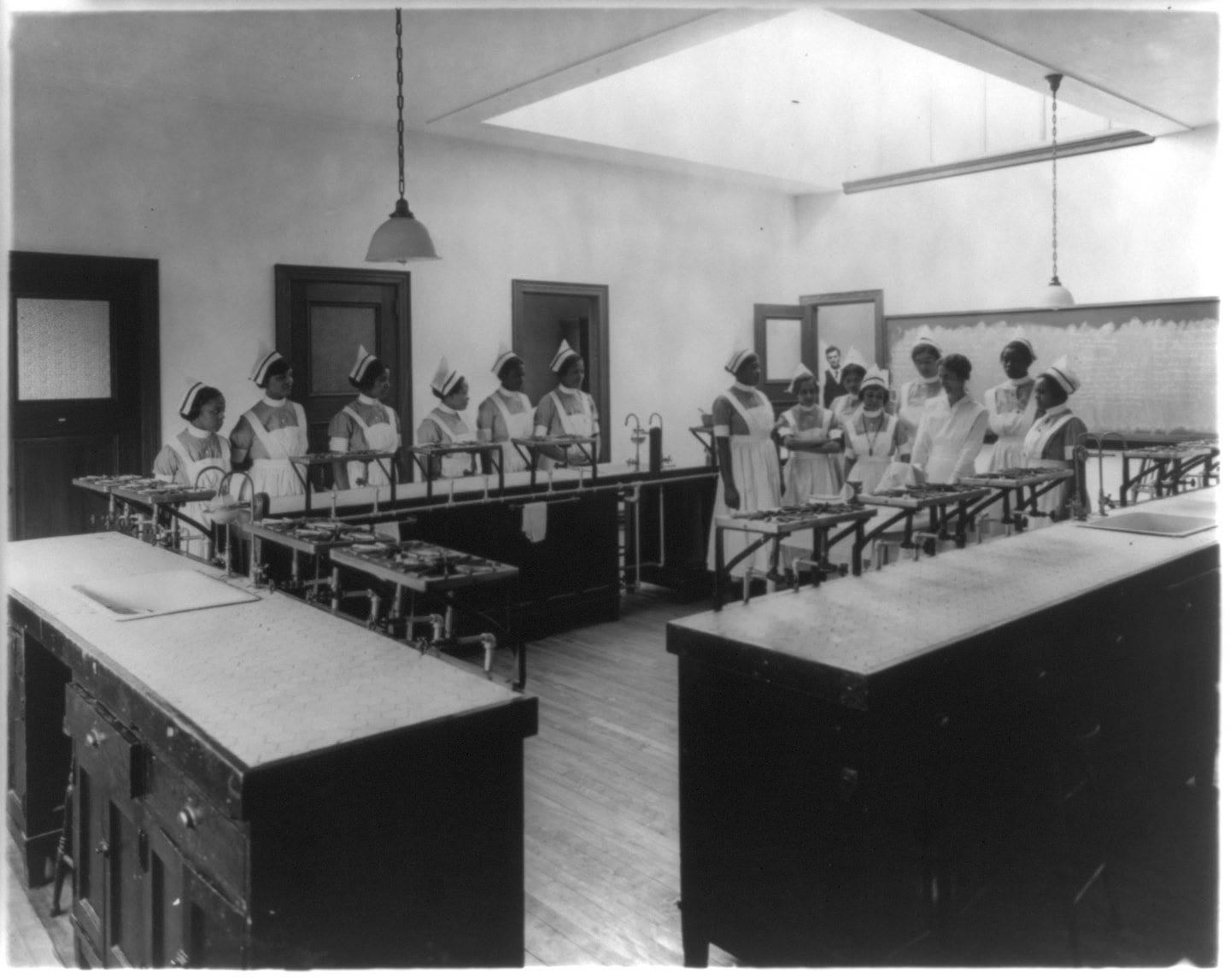
What if the STEM revolution, so heralded today, actually had a humble, overlooked beginning in the kitchens and sewing rooms of early 20th-century America? What if the original laboratories where women first tinkered with chemistry, physics, biology, and engineering weren’t in high-tech labs but in home economics classrooms? It’s an unsettling thought for those who presumed science and technology were always strict, exclusionary domains. But consider this: could home economics, often dismissed as mere “women’s work,” actually represent the primordial STEM—a clandestine crucible where women first cultivated technical proficiency against the odds?
The Unlikely Birthplace of Scientific Literacy for Women
Before the rise of coding bootcamps and microchip fabrication plants, the “home economics” classroom was a realm where women were introduced to the scientific method under the guise of meal preparation and garment construction. This field, spanning textiles, nutrition, family health, and household management, demanded rigorous understanding of biology, chemistry, physics, and even rudimentary engineering principles. Yet, society patronizingly assigned these subjects to a domain often trivialized as domestic drudgery. Was it truly drudgery, or a sophisticated training ground? In dissecting a recipe or analyzing fabric durability, students engaged in hypothesis testing, experimentation, and analytical reasoning—core STEM skills digitally dressed in aprons and flour.
Home Economics as a Tactical Response to Societal Barriers
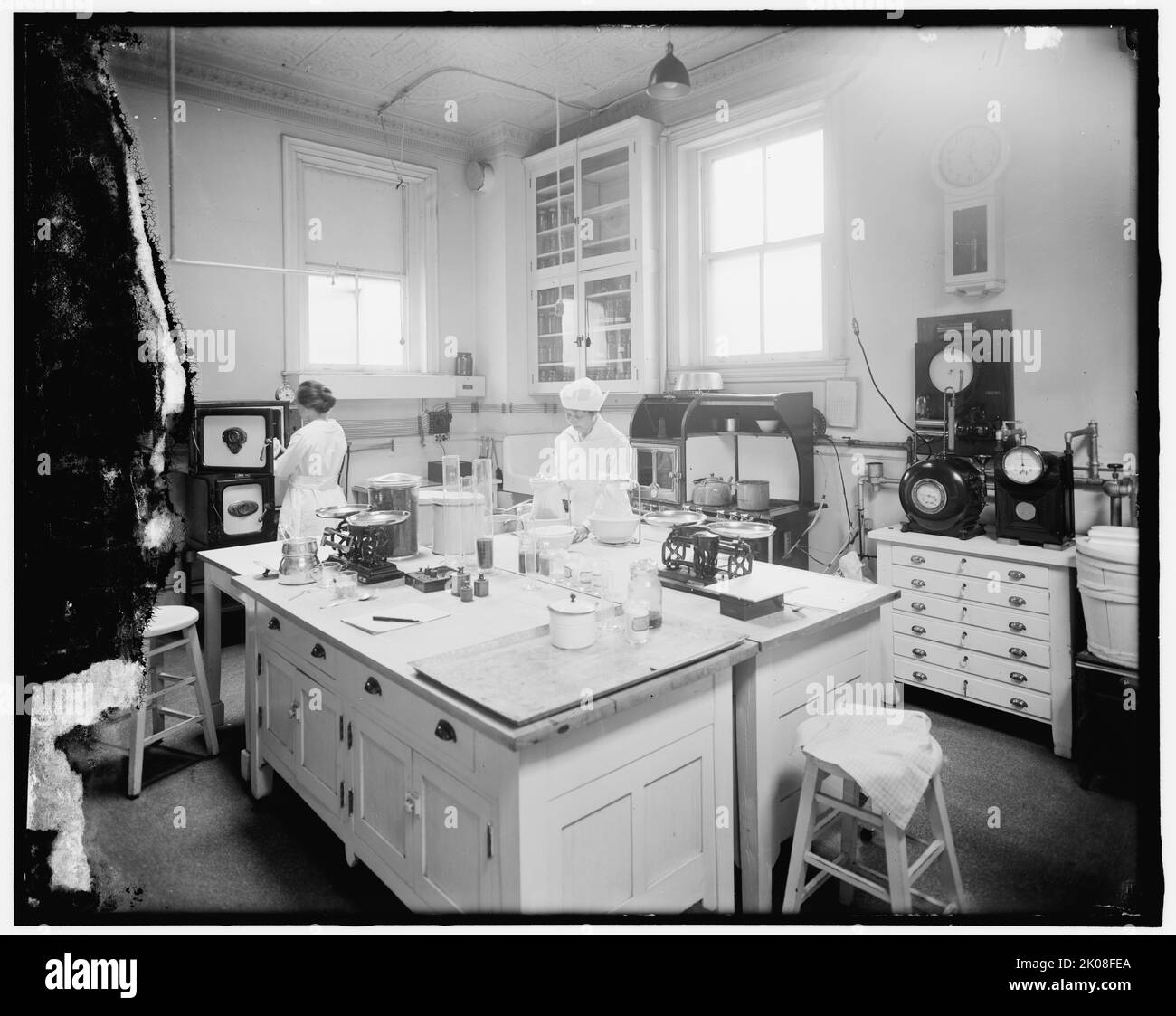
The marginalization of women within academic science was no accident, but a calculated cultural stratagem. With universities and scientific institutions effectively barricading women from serious participation, home economics emerged almost subversively as a socially sanctioned avenue for intellectual development. It was a tactical playground where women circumvented explicit exclusion. Here, they crafted expertise in food chemistry, textile engineering, and human physiology. The preparation of nutritious meals wasn’t just about sustenance; it was an application of biochemistry and microbiology principles. Sewing wasn’t mere handiwork; it was precision engineering, material science, and ergonomics. Home economics challenged the notion that women were intellectually inferior or uninterested in science—it demonstrated their ability in a format society could tolerate.
The Hidden Curriculum: Bridging Theory and Practice
Unlike abstract scientific instruction, home economics was unapologetically practical. It embodied the union of applied theory and quotidian necessity. This pragmatic pedagogy demanded mastery of scientific concepts by anchoring them in real-world problems: How do you maximize nutrient retention during food preservation? What fabric composition withstands both wear and aesthetic demands? How to design a home environment that optimizes health and safety? By contextualizing STEM subjects within domestic challenges, home economics forged an intimate relationship between knowledge and everyday life. This was not a diluted science—it was science in its most adaptive and transformative form. Women learned experimental design and quantitative analysis by conducting controlled experiments in cooking times, fabric dyes, and household sanitation.
The Evolution and Misappropriation of the Discipline
Ironically, as scientific prestige increased in the broader world, home economics suffered a progressive devaluation, devolving into a caricature of sewing and simple cookery classes. The original interdisciplinary rigor was effaced by societal expectations that pegged women’s ambitions to homemaking prowess alone. The dynamic, scientifically rich curriculum was whittled down to a consumerist toolkit, reinforcing gender norms rather than challenging them. This misappropriation effectively diluted women’s early STEM success stories and erased their historical role in scientific advancement. Yet, beneath the cliché lies an undeniable truth: the foundation for many women scientists, nutritionists, engineers, and innovators was laid in home economics labs.
Contemporary Legacy and Relevance
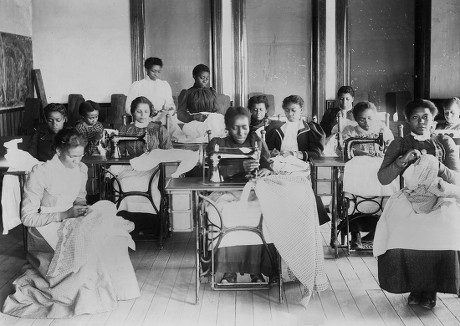
Today, as STEM fields strive for gender parity, revisiting home economics offers valuable lessons. It reveals a powerful narrative where science is not confined to sterile labs but thrives at the intersection of biology, chemistry, engineering, and sociocultural context. The interdisciplinary spirit that home economics embodied is precisely what modern STEM education desperately needs—breaking down silos, embracing diversity of perspective, and linking technical skills to societal impact. Furthermore, acknowledging this lineage reframes feminist advocacy in science: it is not just a fight for inclusion but a reclamation of a heritage long eclipsed.
Challenging the Narrative: Can We Redefine STEM to Include Domestic Science?
Herein lies a provocative dilemma: can the scientific community dismantle hierarchical categorizations that devalue applied sciences rooted in everyday life? If home economics was the original STEM for women, why has it remained a footnote or a joke in educational history? Perhaps it’s time to challenge academic purism and recognize that the laboratories constructing nuclear reactors and those refining bread dough both foster intellectual rigor and innovation. Re-centering home economics within the STEM dialogue is an act of feminist insurgency—honoring the indelible contributions of women who mastered science under the most constraining conditions, transforming their kitchens and sewing rooms into crucibles of experimentation and discovery.








Leave a Comment