
In a world saturated with conversations about love languages—words of affirmation, acts of service, physical touch—there remains a crucial dialect largely whispered in the shadows: the language of equal labor. While romantic gestures and emotional validation captivate public discourse, the gritty reality of equitable work, especially within domestic and professional spheres, is often neglected. This neglected love language encapsulates fairness, respect, and partnership manifest through shared responsibility and dismantling systemic inequities. It is high time to challenge the status quo and amplify this essential expression of love.
The Invisible Work: Recognizing Unseen Labor
The concept of equal labor straddles realms far beyond the paycheck. It shines a spotlight on invisible work—the unpaid, unrecognized, and often gendered efforts that sustain households, communities, and ultimately economies. From childcare to eldercare, meal preparations to emotional labor, these tasks weave the very fabric of daily existence yet rarely receive valorization. When such work remains hidden or undervalued, it perpetuates a cycle of exploitation and erodes the foundation of equitable relationships.
Understanding this labor requires more than acknowledging busy hands; it demands a transformation in social consciousness. Equal labor mandates that both emotional and physical contributions be visible and esteemed. Without this recognition, love language is incomplete, predicated on an unsustainable imbalance that few dare to interrogate deeply.
Equal Pay and Its Relationship to Love
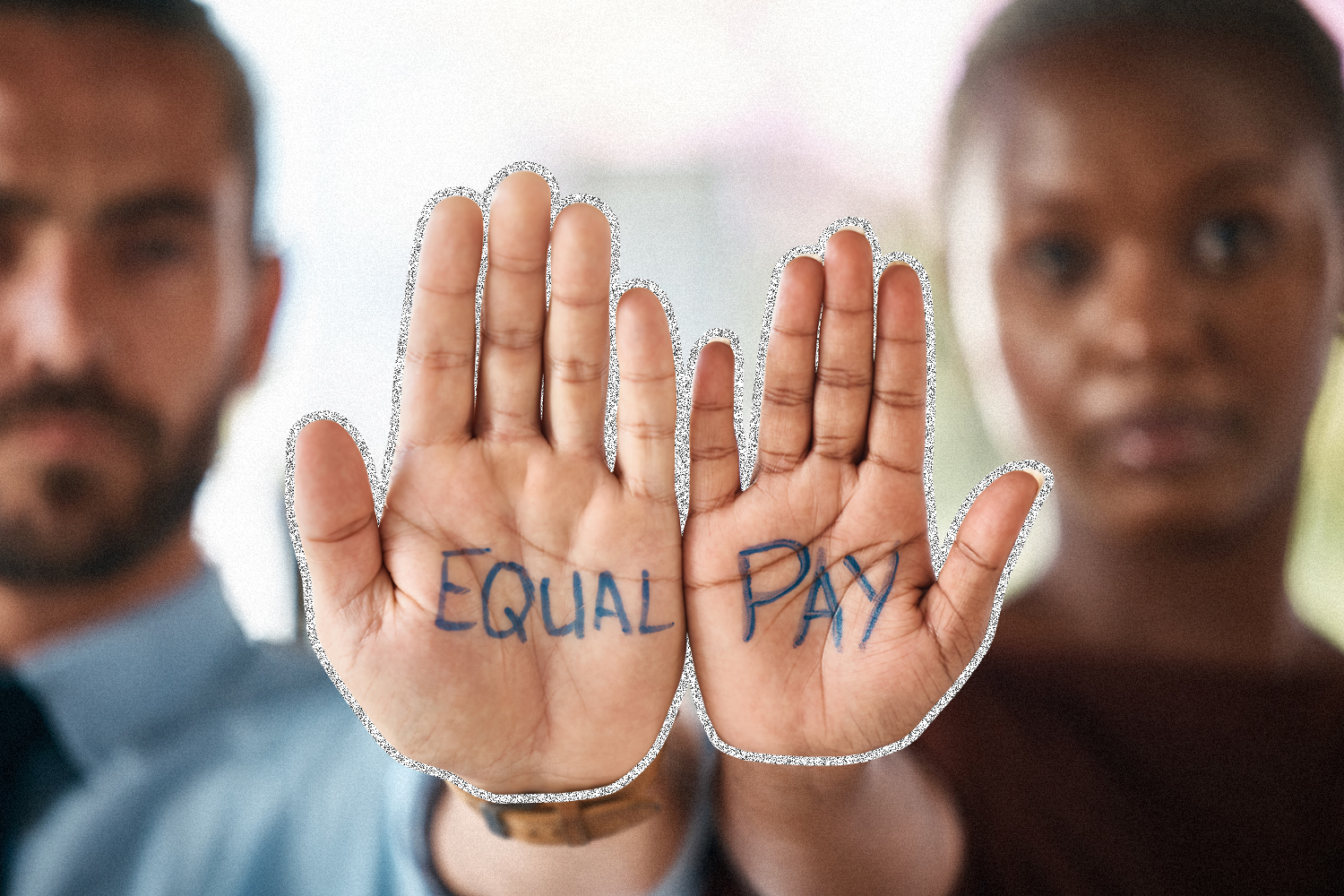
The parallels between financial equity and genuine affection can no longer be ignored. Compensation disparities, particularly those rooted in gender and racial biases, serve as a harsh contradiction to professed principles of love and partnership. If love is characterized by respect and mutual benefit, how can relationships and societies thrive amid persistent economic inequities?
Equal pay is not merely a fiscal concern; it is a measure of respect, validation, and dignity extended to individuals who labor relentlessly. Financial equality reverberates into the intimate sphere, allowing partners to negotiate their roles with fairness and freedom, rather than necessity or societal expectation. This dimension of the equal labor language confronts capitalism’s ingrained prejudices, demanding that love be as just as it is affectionate.
Shared Domestic Labor: The Battlefield of Love and Power
Within the confines of home, power dynamics manifest through division of chores and caregiving responsibilities. The traditional allocation often burdens women disproportionately, transforming acts of care into chains of servitude. Reclaiming shared domestic labor requires more than chore charts; it demands ideological upheaval. It means unraveling centuries of patriarchal conditioning that equates women’s worth to their willingness to serve silently.
When partners engage in equitable labor at home, they communicate profound respect and commitment to mutual flourishing. This collaboration extends beyond utility—it nurtures intimacy, trust, and a potent sense of fairness. Ultimately, the home becomes not a site of imbalance but a sanctuary of shared effort, where love is articulated through balanced action, not unilateral sacrifice.
Labor in Professional Spaces: Fighting for Intersectional Equity
Equal labor manifests on the public stage with even greater complexity. Corporate walls echo with disparities not only in pay but in advancement opportunities, recognition, and workplace culture. Here, intersectionality complicates the picture: women of color, LGBTQ+ individuals, and caregivers often face compounded invisibility and tokenization.
Demanding equal labor within professional spheres is a radical act of resistance against systemic discrimination. It insists on the dismantling of glass ceilings, the redistribution of power, and the cultivation of environments where diverse talents are celebrated and fairly compensated. This fight is vital because professional equity fuels personal agency—a cornerstone of authentic love and partnership.
Redefining Love Through the Lens of Collective Responsibility
One of the most provocative aspects of embracing equal labor as a love language is its inherent call for collective responsibility. Love is no longer confined to dyadic exchanges or romantic gestures alone. It evolves into a societal ethic, where communities commit to mutual care, shared burdens, and collaborative empowerment.
When societies prioritize equal labor, they commit to nurturing environments where every individual’s contribution is honored—whether in the boardroom or the kitchen. This ideological shift repositions love from a mere private affair into a formidable force for social justice, equity, and liberation.
How This Language Transforms Relationships and Societies
Listening to and speaking the language of equal labor changes everything. Relationships become negotiations of power and care, where vulnerability is matched with responsibility and trust fortifies balance. Societies embrace policies that support caregiving, fair wages, and work-life integration. This transformation challenges complacency and demands a radical recalibration of values.
In such a paradigm, love is fierce and uncompromising; it acknowledges the labor of life as both the medium and message of genuine connection. Without addressing equal labor, love remains superficial—a façade masking inequalities too dangerous to confront.
Imagining a Future Fluent in Equal Labor
Envision a future where equal labor is universally spoken, understood, and revered—a world where domestic work is respected like any other profession, and every wage reflects true worth regardless of gender, race, or background. Here, relationships refuse to tolerate imbalances; policies champion fairness; and societies thrive on solidarity.

This future is not utopian fantasy. It demands arduous work, uncomfortable conversations, and unwavering activism. However, it promises a love that is radical, emancipatory, and lasting—an embodiment of justice woven through the very fabric of everyday life.
Ultimately, equal labor must be acknowledged as the silent but indispensable love language—one that speaks to the heart of equity, respect, and shared humanity. Only by embracing this language can we hope to dismantle the shackles of inequality and nurture connections built on the truest foundations of care.






Leave a Comment