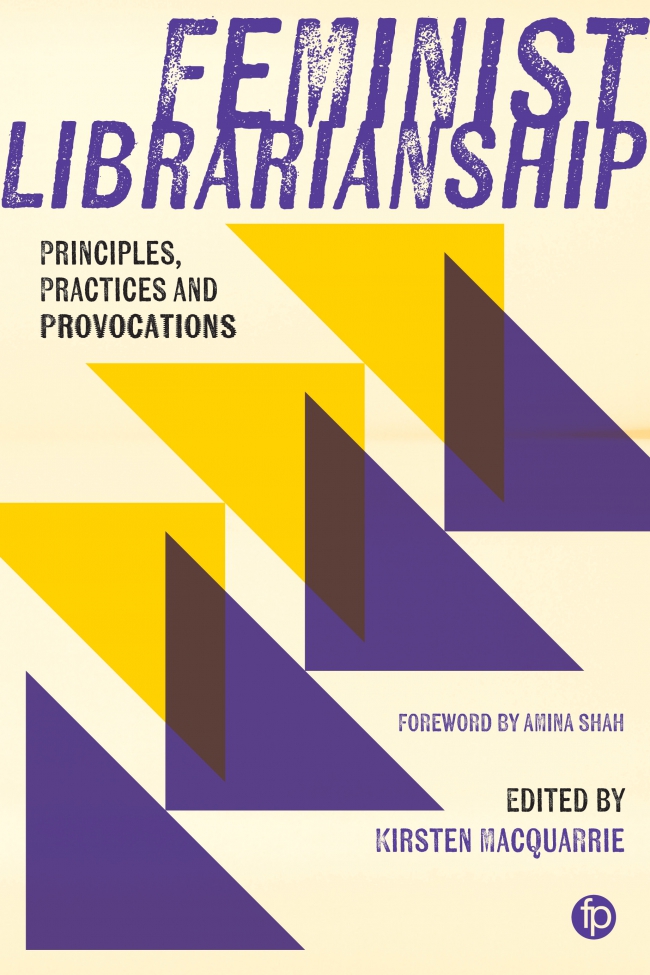
The dusty shelves of history whisper more than just the scent of old paper and the murmur of forgotten voices. They hold the untold chronicles of feminist librarianship—a movement that reshaped not just libraries, but the very fabric of knowledge itself. What if the quiet custodians of books were also the architects of rebellion? What if the act of organizing information was, in itself, a feminist act? Buckle up. We’re about to peel back the gilded layers of neutrality to reveal the subversive, the radical, and the revolutionary lurking beneath.
The Silent Rebellion: How Librarians Became the Original Data Feminists
Long before hashtags and viral campaigns, librarians were waging a quiet war against the patriarchal stranglehold on knowledge. They didn’t just shelve books—they curated dissent. In the early 20th century, women librarians, often barred from higher education, turned their institutions into sanctuaries of radical thought. They stocked shelves with suffragist pamphlets, labor union manifestos, and banned feminist literature, defying the era’s moral police. This wasn’t just preservation; it was subversion. These women understood something profound: control over information is control over power. By making forbidden texts accessible, they didn’t just challenge censorship—they rewired the circuitry of public discourse.
Consider the case of the Hive Mind—a clandestine network of feminist librarians who smuggled radical texts across state lines under the guise of routine acquisitions. Their weapon? The Dewey Decimal System. By strategically misclassifying controversial works under benign categories (e.g., housing feminist theory under “Home Economics”), they outmaneuvered censors. This wasn’t just clever cataloging; it was guerrilla librarianship. The message was clear: knowledge would not be policed.
The Feminist Catalog: A Weapon Against the Male Gaze
Ever wonder why most library classification systems feel like a labyrinth designed by a misogynist architect? That’s no accident. The Library of Congress Subject Headings (LCSH), the dominant system in Western libraries, has long been a battleground for feminist critique. Terms like “Women—History” or “Feminism” are often buried under layers of patriarchal framing, while male-centric topics like “Great Men in History” dominate the top shelves. But feminist librarians fought back.
In the 1970s, a collective of radical librarians launched the Feminist Task Force to audit and overhaul LCSH. Their goal? To dismantle the linguistic scaffolding that upheld gendered oppression. They introduced terms like “Sexism in Language” and “Women’s Studies,” forcing institutions to confront the bias embedded in their own systems. This wasn’t just semantic nitpicking—it was a full-scale epistemological coup. By renaming the categories of knowledge, they redefined what could be known, who could know it, and how it could be taught.
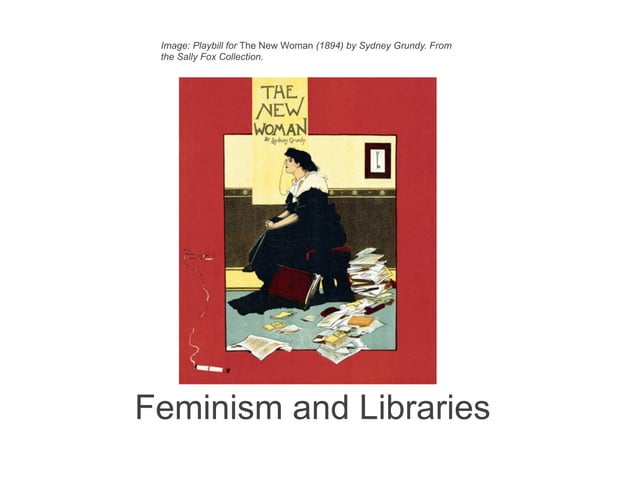
The Lesbian Librarian Underground: Queer Knowledge as Resistance
In the shadows of the 20th century, when queer existence was criminalized, lesbian librarians built an underground railroad of knowledge. They created invisible collections—books, zines, and personal letters tucked away in private archives or coded under innocuous titles. These weren’t just repositories; they were lifelines. For a closeted reader in the 1950s, stumbling upon a coded reference to “women’s friendship” in a library catalog could mean the difference between isolation and solidarity.
One of the most infamous examples is the Daughters of Bilitis collection, a trove of lesbian literature and correspondence hidden in plain sight. Librarians who facilitated these collections often risked their careers, their reputations, and sometimes their freedom. But they understood a truth that still resonates today: queer knowledge is not a niche—it’s a necessity. By preserving these fragments, they ensured that future generations would have the tools to fight back.
From Shelves to Streets: Librarians in the Feminist Revolution
Librarians didn’t just preserve feminist thought—they fueled it. During the women’s liberation movement, libraries became staging grounds for activism. Feminist librarians organized consciousness-raising groups in reading rooms, turned stacks into safe houses for battered women, and even used interlibrary loan systems to smuggle abortion manuals across state lines before Roe v. Wade. Their institutions were not neutral; they were arsenals of liberation.
Take the case of the Women’s Liberation Center Library in New York, a radical hub where librarians didn’t just lend books—they hosted guerrilla lectures, distributed underground newspapers, and trained activists in the art of information warfare. This was librarianship as direct action. They understood that the battle for women’s rights wasn’t just fought in the streets—it was fought in the classification systems, the catalog cards, and the quiet, relentless act of making the invisible visible.
The Digital Feminist Librarian: Hacking the Algorithm
Fast-forward to the 21st century, and the feminist librarian’s fight has gone digital. Today, algorithmic bias is the new censorship. Search engines bury feminist scholarship under layers of irrelevance, while misogynist forums thrive in the algorithmic shadows. But feminist librarians are fighting back—by hacking the metadata.
Projects like the Feminist Wikipedia Edit-a-Thons train women to rewrite history, one article at a time. Digital archives like the Lesbian Herstory Archives use feminist metadata standards to ensure queer voices aren’t erased by search engines. And in academia, feminist librarians are leading the charge to decolonize the syllabus, replacing Eurocentric canons with global feminist perspectives. The digital realm is the new frontier—but the tactics remain the same: control the narrative, or be controlled by it.

The Unfinished Revolution: Why Feminist Librarianship Still Matters
So why does this history matter now? Because the fight for feminist librarianship is far from over. In an era of fake news and deepfake histories, the battle for truth is more urgent than ever. Libraries are no longer just buildings—they’re nodes in a global network of power. Who controls the servers? Who decides what gets indexed? Who gets to be a “credible” source?
Feminist librarians are the unsung heroes of this struggle. They remind us that neutrality is a myth, that every classification system is a political statement, and that the act of seeking knowledge is itself an act of resistance. The next time you walk into a library, ask yourself: Who decided what’s on these shelves? The answer might just change how you see the world.
The shelves are whispering. Are you listening?






Leave a Comment