
Imposter syndrome — that gnawing sensation of being a fraud, of being unworthy despite undeniable achievements — is often painted as an internal psychological flaw, a personal hurdle to overcome. But peel back the layers, and what bubbles to the surface is far from a mere mental glitch. Imposter syndrome is frequently, in essence, sexism wearing a deceptive mask. It is a covert weapon used to keep women, and other marginalized groups, tethered to doubt and diminished expectations. This article digs deep into the underbelly of imposter syndrome to expose its roots, manifestations, and the different faces it takes in the real world — all while exploring the empowering pathways to dismantle this insidious social construct.
The Unseen Architecture of Gendered Doubt
Imposter syndrome isn’t an isolated psychological quirk. It is woven into the very fabric of patriarchal structures. Women, especially those daring to break through traditionally male-dominated spaces, are constantly bombarded with subtle and blatant messages that undermine their legitimacy. These messages implant a corrosive self-questioning. The syndrome, therefore, becomes an echo chamber of systemic sexism reverberating within the individual psyche. This is not just feeling unworthy; it’s feeling alien in a space designed by and for others.
Such existential questioning is often dismissed as a lack of confidence, yet what it reveals is a calculated erasure of women’s authority and credibility. The seemingly personal battle with self-doubt is, in reality, a reflection of a collective cultural failure to recognize and validate female competence. This renders imposter syndrome more than just a syndrome — it’s a symptom of structural misogyny.
Different Faces of Imposter Syndrome in the Workplace
In professional arenas, imposter syndrome morphs uniquely depending on context and identity. Women of color, LGBTQ+ professionals, and those with intersectional identities experience a compounded effect. The syndrome is not just an emotional response but a survival strategy, a shield erected against overt and covert discrimination. For instance, LGBTQ+ individuals might face the double bind of not only gender bias but also homophobic prejudice, intensifying feelings of not belonging.

Women frequently describe imposter syndrome as an impasse between expectation and reality. They find themselves climbing invisible walls made of microaggressions, patronizing attitudes, and exclusion from informal networks that are essential for advancement. This generates a pernicious cycle where brilliance is met with suspicion and success with incredulity.
The Cultural Myth of Meritocracy and Its Fallout
At the core of imposter syndrome is the seductive lie of meritocracy — the notion that if you work hard enough, you will succeed on your own merit. While this narrative deceptively empowers, it simultaneously masks the unequal starting line. Women and minorities are expected to exemplify perfection constantly, while men benefit from loosened scrutiny and latent biases in their favor.
This myth places the burden of proof on the marginalized, insisting that they must constantly justify their presence and performance beyond reasonable measures. Failure to live up to this near-impossible standard translates into internalized failure, reinforcing imposter feelings. The cultural obesity of meritocracy sweetens the bitterness of systemic barriers, making imposter syndrome a privatized crisis rather than a public concern.
Manifestations of Imposter Syndrome Beyond the Individual
Imposter syndrome extends its shadow beyond personal doubt into institutional cultures. Many organizations, under the guise of being progressive, unwittingly perpetuate environments that cultivate it. Tokenism and “diversity hires” can signal to women and minorities that their achievements are questioned and contingent rather than earned. This breeds isolation and heightens imposter feelings even in the most successful.
On another level, leadership models steeped in traditional masculinity undervalue collaboration, empathy, and emotional intelligence — traits stereotypically associated with women. When women lead differently, their leadership is often mislabeled as weak or erratic, reinforcing the notion that they are less competent or deserving. Thus, imposter syndrome is not just an individual affliction but a structural malady.
Strategies for Liberation: Disrupting the Imposter Narrative
To dismantle this pernicious form of imposter syndrome, recognition is the first step. Understanding that the syndrome is not a defect within but a failure without — a failure of societies and workplaces to nurture inclusivity and equity — opens the door for transformative change. Empowerment comes through collective validation and the reclamation of narratives.
Mentoring and sponsorship programs that amplify women’s voices play a critical role. Safe spaces for candid conversations can disarm self-doubt by sharing collective experiences and strategies for resistance. Organizations must commit to transparent promotion criteria, actively confront implicit bias, and build cultures that celebrate difference rather than tolerate it.
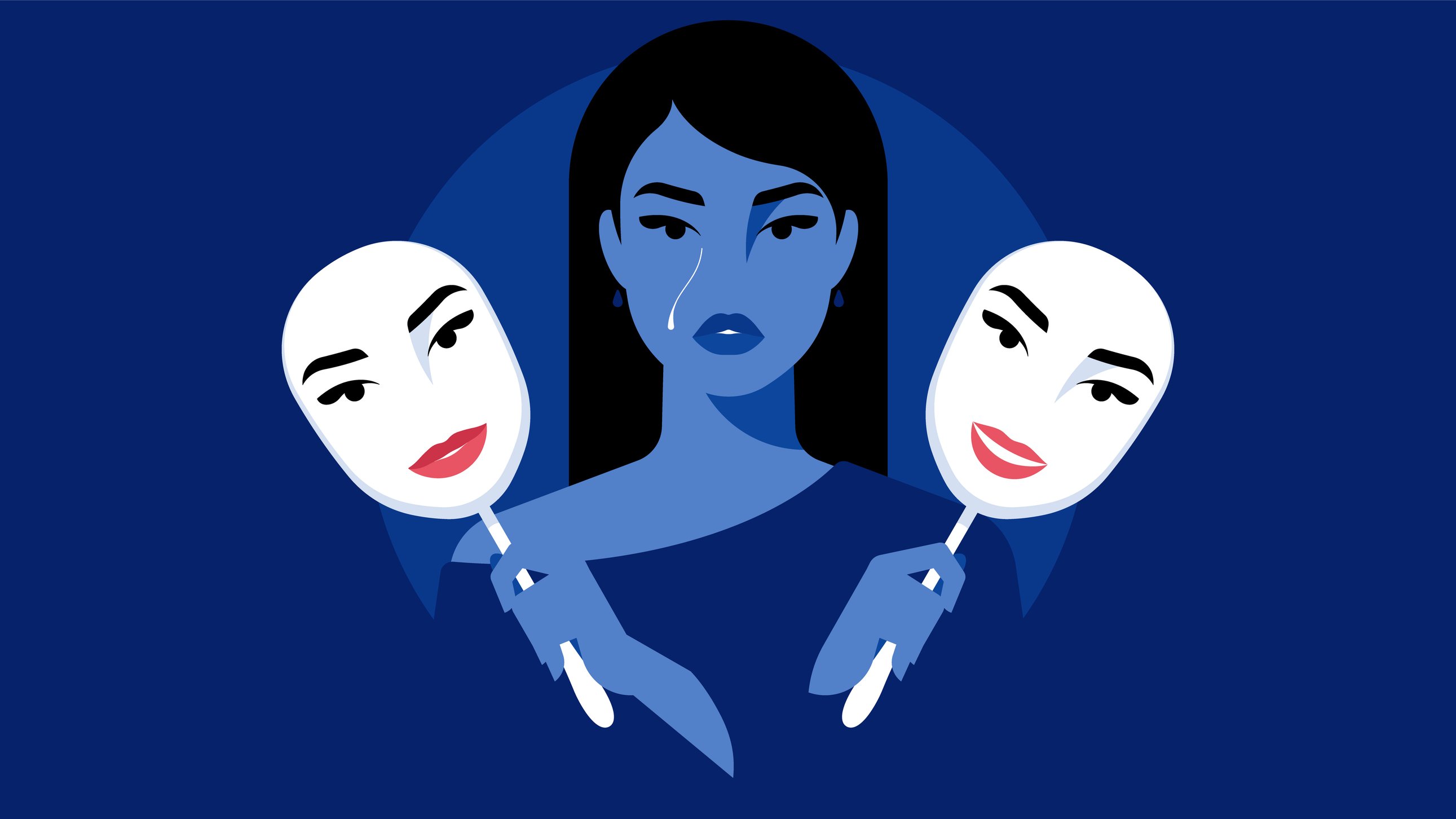
Importantly, redefining success beyond narrow, conventional standards allows women to honor their authentic selves and leadership styles. True liberation from imposter syndrome lies in shattering the sexist expectations that helped craft it in the first place.
Reclaiming Truth and Self-Worth
The time has come to confront imposter syndrome as what it truly is: an orchestrated conspiracy of sexism. The myth of undeserved success only holds power if we buy into it. By naming the roots of these feelings in societal injustice, the narrative shifts from internalized deficiency to external accountability.
Celebrating women’s contributions openly and unapologetically disrupts the corrosive cycle of doubt. Recognizing the barriers erected by gender bias and valuing diverse experiences fosters resilience and collective strength. In this reclamation lies not just personal healing but the blueprint for an equitable future where no one has to feel like an imposter in their own right.






Leave a Comment