We all wear clothes, yet rarely do we stop to consider the hands that stitch them together. The global fashion industry is a sprawling empire woven from the lives of millions—mostly women—from the Global South. They are the unseen architects of the garments that define our style and social identity, yet their stories are submerged beneath layers of corporate gloss and Western consumerist fantasy. There is a glaring contradiction at play: these women labor under harsh, exploitative conditions, yet when we speak of feminism, their voices rarely resonate in the dominant discourse. Why is their feminism so conspicuously absent from the narratives of empowerment? This dissonance is not accidental; it is a deliberate erasure born of complex socio-economic and geopolitical forces. Let’s unravel this conundrum and understand the layers beneath.
The Invisible Threads of Global Feminism
In the sprawling factories and sweatshops dotted across South Asia, Sub-Saharan Africa, and parts of Latin America, millions of women are the backbone of the fast fashion machine. Their nimble fingers transform lifeless cloth into coveted commodities. Yet, the “feminism” invoked in Western media often excludes the realities of these workers. Instead, it opts for sanitized narratives focused on corporate leadership or consumer choice. Such selective feminism glosses over the exploitation and systemic violence entrenched in globalized capitalism.
Why does this happen? Because the feminist discourse, predominantly shaped in the Global North, has historically been centered on issues that resonate within privileged spheres—like glass ceilings in boardrooms or equal pay in comparable professional jobs. The Global South woman making your dress, often subsisting on meager wages below living standards, falls outside this conceptual ambit. Their struggles challenge the very systems that mainstream feminism frequently upholds, complicating easy narratives of progress.
Economic Exploitation as a Feminist Blindspot
For many women in the Global South, wage labor in garment factories is both a survival mechanism and a site of continuous economic exploitation. The fixation on GDP growth as a marker of progress obscures the gross inequality and structural violence lurking beneath. In pursuit of cheaper production, multinational brands exploit labor laws and regulatory weaknesses, deliberately fostering precarious work conditions.
This economic exploitation is a form of gendered violence, yet it is rarely framed in feminist terms. The industry thrives on precariousness—long hours, lack of healthcare, suppression of union rights, and the constant threat of dismissal. It is a brutal reality that contradicts the empowerment rhetoric often attached to employment. Feminism that ignores or minimizes these conditions is not only incomplete but deeply complicit.
Global South Feminist Voices: Resilience and Resistance
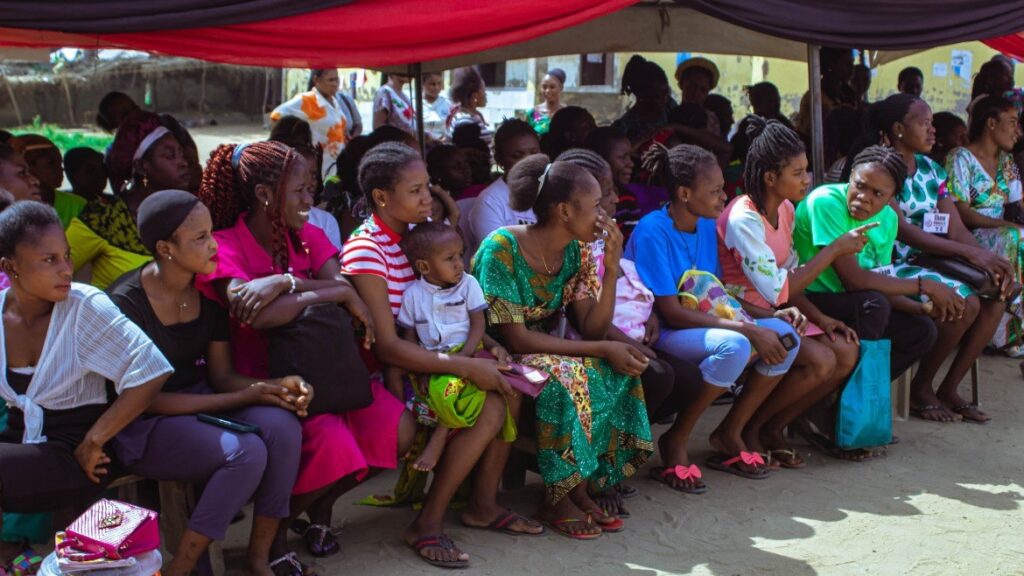
Contrary to the invisibility imposed by external narratives, women workers in these regions have been relentlessly asserting their rights, forming grassroots movements that challenge exploitation and reclaim agency. This is a feminism grounded in lived experience, one that intertwines with decolonial, anti-capitalist, and social justice struggles. Their feminism is not an abstraction but a daily battle against erasure and exploitation.
This robust activism often goes unnoticed in global forums, overshadowed by Eurocentric feminist frameworks. Yet, these women’s organizing and articulations invite a profound reimagining of feminism—one that demands intersectionality, economic justice, and sovereignty over local resources. This is feminism as praxis, forged in solidarity and struggle rather than ivory tower theory.
The Fetishization of the Global South Woman
The Western gaze often fetishizes women workers from the Global South, casting them simultaneously as tragic victims and noble martyrs of globalization. This problematic portrayal freezes them in a binary: pitiable yet resilient, passive but heroic. It is a fascination that extracts their pain as spectacle while refusing to engage with their political agency and structural critiques.
This fetishization serves to sustain a voyeuristic and paternalistic dynamic, where external actors claim to “save” these women without addressing the underlying systems that cause exploitation. Such fascination reveals more about the systemic inequalities and privileges of the observer than about the women themselves. It also absolves consumers and corporations of accountability, shifting the focus away from the urgent need to dismantle exploitative supply chains.
Redefining Feminism: Centering the Margins
To truly honor the feminism of Global South women garment workers, feminism must decentralize itself from hegemonic norms and embrace pluriversal perspectives. This means making space for diverse epistemologies and acknowledging that empowerment looks different in contexts marked by poverty, colonization, and global capitalist extraction.
The feminist project must evolve to confront the intersections of race, class, nationality, and labor exploitation with sincerity. It also requires humility in listening—recognizing that the women who stitch our clothes demand not charity but structural transformation. Their feminism is a blueprint for justice that dismantles exploitation, champions economic democracy, and reclaims dignity beyond neoliberal frameworks.
Conclusion: Weaving New Narratives
The clothes we wear carry stories not just of craftsmanship but of systemic subjugation and resistance. The feminism of Global South garment workers is nuanced, potent, and urgent. It challenges dominant feminist discourses to decolonize and expand their horizons. Acknowledging their feminism means unlearning comfortable narratives and engaging with uncomfortable truths.
Our complicity as consumers and the complicity of global systems demands confrontation and change. It is only by centering these voices and struggles that feminism can fulfill its radical promise of liberation for all women—breaking free from the constraints of geography, class, and capital. Let us stop merely wearing the garments woven through suffering and start unraveling the tangled threads of exploitation, forging a feminism that truly leaves no woman behind.







Leave a Comment