In the burgeoning landscape of feminist empowerment, the sartorial revolution has found a potent emblem: the empowerment tee. Emblazoned with slogans of liberation, resilience, and sisterhood, these garments are hailed as wearable declarations of feminist ethos. Yet, beneath the glossy veneer of progressiveness often touted by these brands lies a troubling paradox — many of these “empowerment” products are manufactured within the confines of prison labor systems. This contradiction forces a reckoning with the ethics of fashion and feminism alike. How can a movement that champions autonomy and freedom reconcile with the exploitation of incarcerated individuals, many of whom are marginalized women? The complexities surrounding feminist brands and their entanglement with prison labor unveil a narrative that is as compelling as it is unsettling.
The Veiled Machinery Behind the Empowerment Tee
The visual impact of a feminist tee is undeniable. Phrases like “Girls Just Wanna Have Fundamental Rights” or “My Body, My Rules” roar with radical intent. Yet, these slogans often mask the exploitation etched in their production process. The majority of prison labor in the United States — disproportionately affecting women of color — is cloaked in obscurity, detached from consumers’ eager eyes. Feminist brands, chasing both ethical cash flow and social influence, sometimes overlook or consciously sidestep the realities embedded within their supply chains.
These prison labor programs capitalize on deeply systemic inequalities, paying incarcerated workers meager sums that fall pennies short of a living wage, if they receive payment at all. The paradox is harsh: feminist brands marketing messages of freedom and equality while sourcing products from institutions designed to suppress freedom. This duality calls into scrutiny the authenticity of the feminist message these brands promote, exposing a schism between intention and execution.
Intersectionality and the Incarcerated Female Workforce
Understanding the intersection of gender, race, and incarceration is paramount when deconstructing the production of empowerment tees. The prison-industrial complex disproportionately incarcerates women of color, who bear the brunt of racialized and gendered oppression. Within correctional facilities, women labor under conditions that could be described as quasi-coerced, stripped of meaningful autonomy and deprived of fair economic participation.
Feminist brands tapping into prison labor inadvertently commodify the pain and labor of women enduring systemic marginalization. It is an ethical quagmire that demands more than surface-level accountability. Valuing intersectionality means acknowledging how capitalism, patriarchy, and the carceral state collectively conspire to turn bodies—particularly those of marginalized women—into unpaid or underpaid labor resources. Yet, paradoxically, this is the very narrative feminist empowerment tees often implicitly obscure.
Illusions of Empowerment: Marketing Versus Material Reality
Consumer culture thrives on the seductive promise of empowerment through purchase. Wearing a tee with a bold feminist statement gives the illusion of participation in a wider movement. However, for many, real empowerment — economic, social, and political — remains out of reach. This allure glosses over the labyrinthine labor exploitation behind seemingly benign products.
Brands frequently polish their public image with slogans of fairness, equity, and solidarity, but seldom disclose the labor conditions endured by the very hands creating these garments. This opacity enables a cognitive dissonance in consumers, who believe they are supporting feminist causes, all the while contributing to an exploitative system.
Imagery of Empowerment Entwined with Incarceration
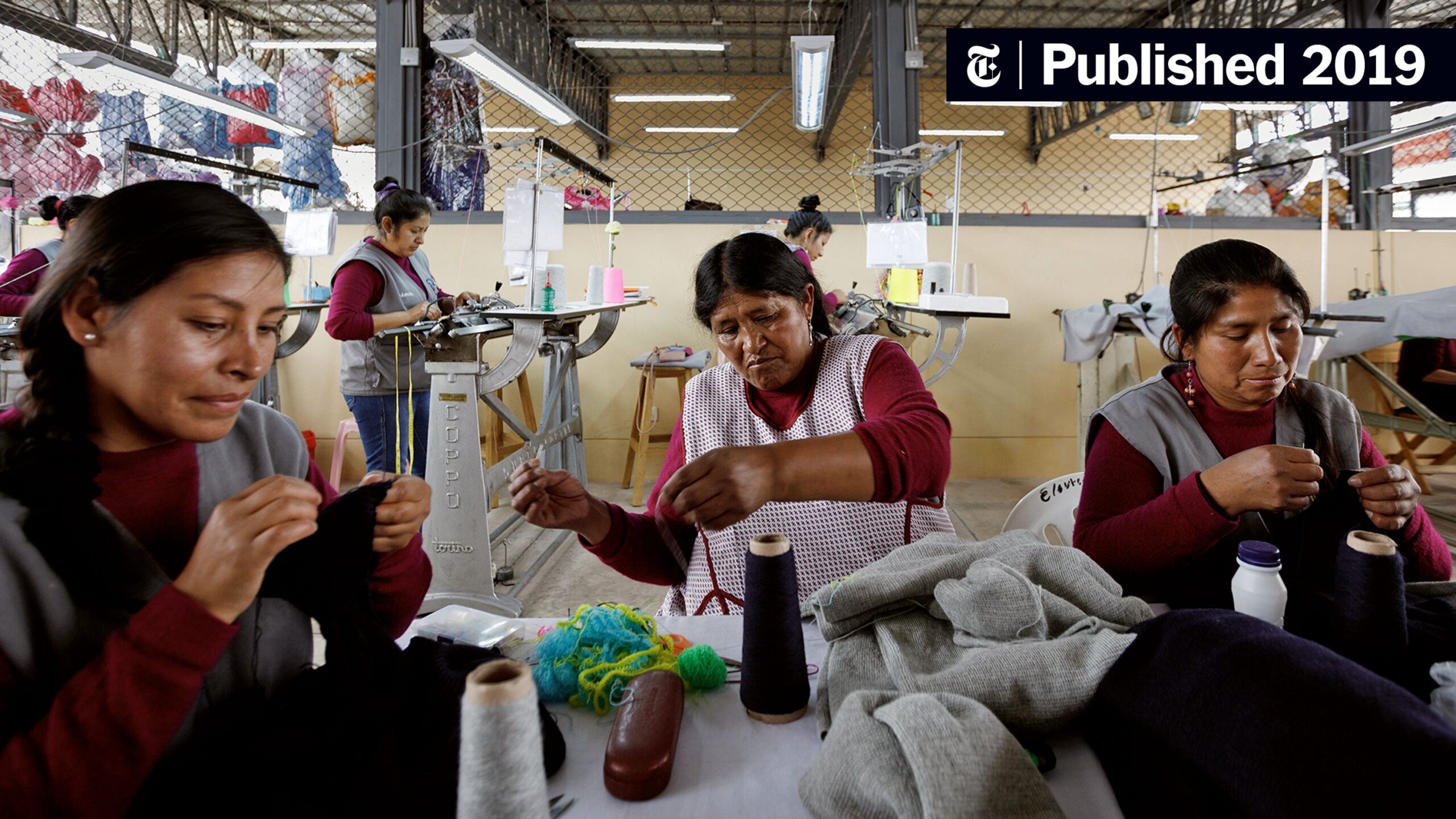
The tension between empowerment and incarceration emerges starkly when visuals of prison labor production enter the discourse. The sight of women sewing feminist slogans within prison workshops challenges conventional notions of empowerment. It requests a confrontation with uncomfortable truths: can empowerment truly manifest through the hands of the oppressed, shackled by systemic injustice?

This imagery disrupts the sanitized narrative of feminist fashion, reminding viewers that behind the rhetoric lies a carceral system profiting off the very bodies it confines.
Activist Responses and Calls for Transparency
Cries for transparency have reverberated through activist communities, demanding that feminist brands reckon with their supply chains’ shadow economies. Campaigns urging corporations to disentangle from prison labor raise essential questions: Can feminism exist without economic justice? What does ethical consumption mean if it overlooks the exploitation of incarcerated laborers?
Grassroots movements have proposed reforms emphasizing fair wages, voluntary participation in prison work programs, and eradication of exploitative contracts between corporations and correctional institutions. These calls also highlight the imperative for brands to adopt thorough supply chain audits and disclose their use of prison labor explicitly, rejecting the stealthy complicity that currently pervades the industry.

The momentum from these movements punctuates a growing awareness that feminist empowerment must extend beyond slogans to solidarity with all oppressed workers — particularly those silenced by incarceration.
Redefining Feminist Fashion as Radical Accountability
The future of feminist fashion necessitates a radical accountability that transcends surface branding. Empowerment tees must evolve into artifacts of genuine solidarity, crafted through just labor practices that honor the dignity of all workers, especially the incarcerated women too often rendered invisible.
This redefinition demands synergy between feminist ethics and labor justice, transforming clothing into conduits for systemic change rather than instruments of commodified virtue. Transparent sourcing, equitable pay, and worker agency become prerequisites, not afterthoughts, in the creation of feminist apparel.
Envisioning a Feminist Fashion Revolution
To dismantle the insidious reliance on prison labor, feminist brands must pivot toward cooperative and community-driven production models that prioritize empowerment at every stage. Elevating the voices of formerly incarcerated women and investing in alternative economies can cultivate a fashion paradigm rooted in restorative justice rather than exploitation.
This revolution envisions a feminist marketplace where the power threads through the entire garment’s lifecycle — from fiber to final stitch — weaving a story not of contradiction, but of coherence and true liberation.









Leave a Comment