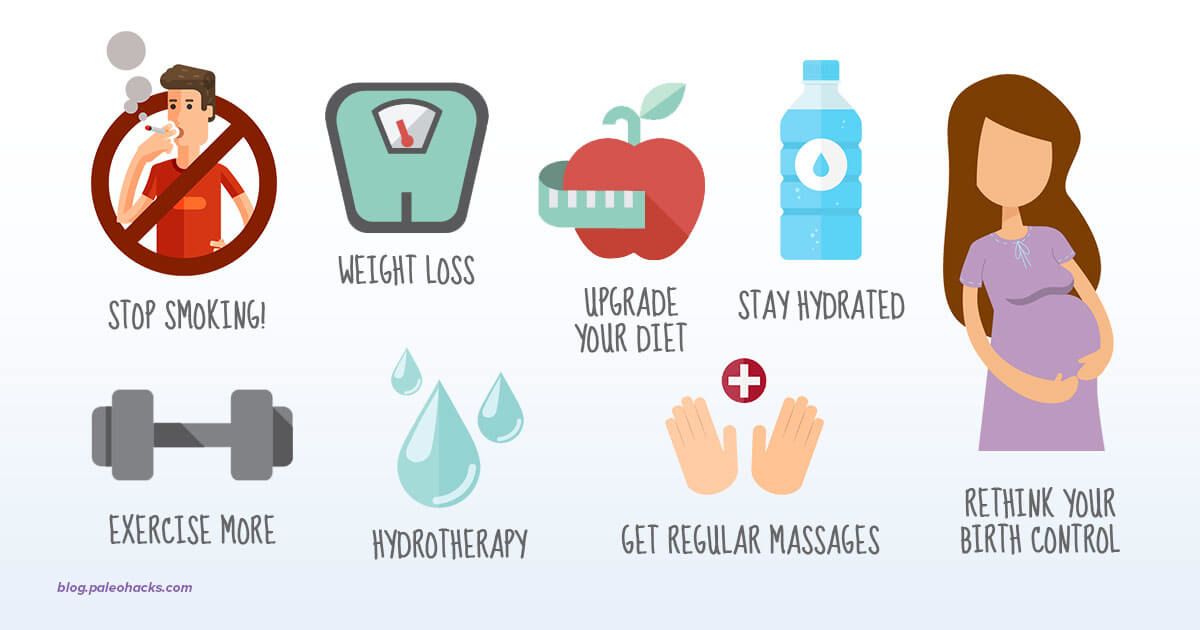
For decades, cellulite has existed as a whispered shame, a covert source of shame and self-loathing whispered about in changing rooms and behind the curtain of social media filters. But no longer. The cellulite conversation has burst into the spotlight, challenging antiquated beauty paradigms and demanding a radical reexamination of the female body. What was once dismissed as an unmentionable imperfection is now a site of cultural reckoning, a powerful symbol in the feminist struggle against unrealistic bodily expectations. This is the cellulite conversation we’re finally having out loud—raw, honest, and unapologetic.
Unpacking the Myth: Cellulite as a Natural Phenomenon
Cellulite is part biology, part culture—and far too often maligned by the latter. It’s the dimpled, textured skin caused by fat deposits pushing against connective tissue beneath the skin’s surface. The truth is simple yet seldom embraced: cellulite is not a defect or a disease. It is an intrinsic feature of human anatomy, particularly prevalent in women due to differences in fat distribution, connective tissue, and hormones. Yet, society has transformed this natural trait into a battleground of shame.
This foundational understanding destabilizes the dominant narrative that cellulite is an aesthetic flaw demanding eradication. Recognizing cellulite’s universality is the first step in dismantling the toxic beauty dogma that polices women’s bodies. It’s a call to celebrate corporeal reality instead of aspiring towards mythical perfection.

The Media’s Role: From Silence to Sensationalism
The media has long been complicit in cultivating cellulite stigmatization, oscillating between erasure and exploitation. For years, mainstream advertising airbrushed smooth skin ideals, rendering cellulite either invisible or demonized. But the tide is shifting. Conversations about cellulite are appearing boldly on social platforms, in wellness podcasts, and within feminist discourse, inviting a broader audience to reconsider entrenched stigmas.
Yet this newfound visibility carries its own paradoxes. Marketed “solutions” often straddle the fine line between empowerment and consumerist manipulation. New exercise regimens, topical treatments, and technological devices claim to “remove” cellulite, promising a return to smooth-skinned desirability. While some offer genuine physical and psychological benefits, they risk perpetuating the notion that cellulite must be conquered, not embraced.

Revolutionizing Content: Diverse Narratives and Educational Resources
What distinguishes the current cellulite conversation is its unprecedented diversity of content types and voices. There are candid personal essays by women recounting their journeys toward body acceptance, exposing the emotional toll of cellulite shame. Educational videos decode the science of cellulite without judgment, empowering viewers with knowledge rather than prescriptions.
Podcasts and webinars spearheaded by body-positive activists and health experts debunk the myths perpetuated by beauty industries. These platforms encourage critical reflection on why cellulite became a shameful symbol and how to shift cultural perceptions. Moreover, visual content juxtaposes images of unretouched bodies alongside celebratory art, generating compelling counter-narratives that honor all skin textures.
Beyond personal empowerment, emerging content also explores intersectionality: how race, age, and socioeconomic status influence experiences and perceptions of cellulite. This holistic approach rescues the conversation from reductive beauty rhetoric and embeds cellulite within larger discussions of systemic body policing.
Confronting Commercialization: Navigating the Marketplace of Cellulite “Cures”
The commodification of cellulite is a double-edged sword. On one hand, the proliferation of products and programs claiming to eradicate cellulite underscores society’s obsession with flawless skin. On the other, this marketplace offers a glimpse of autonomy for some—women reclaiming control by choosing options aligned with their wellness goals. The critical lens must remain sharpened, however.
The challenge lies in distinguishing genuinely helpful interventions from those trading on insecurities. Exercise, particularly strength training and targeted movement, emerges as a sustainable and health-affirming approach, integrating cellulite care into holistic wellbeing instead of quick-fix aesthetics. Content that highlights these strategies without shame or fear-mongering is vital in counterbalancing the expensive, invasive “solutions” aggressively marketed.

Towards Body Liberation: The Future of the Cellulite Dialogue
This unfolding cellulite dialogue signals a broader cultural paradigm shift—one that contests oppressive beauty standards and centers bodily legitimacy over aesthetic conformity. It invites participation in a collective reimagining of self-worth, moving beyond cosmetic obsession toward genuine self-acceptance and radical body respect.
Expect content to continue evolving in this direction: encompassing interdisciplinary scholarship, grassroots activism, and creative expression. Forums will not shy away from uncomfortable truths, such as the role of capitalism in perpetuating harmful ideals. Instead, they will cultivate communities galvanizing change in how bodies are seen, valued, and embraced.
Ultimately, this conversation is not simply about cellulite; it is a clarion call to reclaim narratives about womanhood, beauty, and health. The cellulite on our skin is a testament to life’s complexity, not a mark of deficiency. By speaking openly and courageously, the cellulite conversation fractures silence and builds a foundation for radical body freedom.






Leave a Comment