Once heralded as a radical beacon of empowerment, the Body Positivity movement promised to dismantle oppressive beauty standards and celebrate every form, size, and hue. Yet, as the years unfolded, this revolutionary crusade found itself ensnared by the very machinery it endeavored to defy. What emerged from the ashes of authentic liberation was not freedom, but a commodified reflection—a thin veneer of acceptance masking an insidious co-optation. The narrative morphed, the message diluted, and a new paradigm quietly supplanted the original impulse. This is the story of how the Body Positivity movement got hijacked—and what enigmatic force claims its mantle today.
The Genesis: Radical Roots Entangled in Cultural Rebellion
It started as a defiant roar in the face of relentless societal grooming. The Body Positivity movement was not merely a trend; it was a cultural insurgency. Women and marginalized bodies across spectrums demanded visibility and validation outside the constraining straitjacket of normative beauty. It confronted industries that thrived on self-loathing and refusal to accept bodies that dared to deviate. At its core was an unsettling truth: self-worth was weaponized against those who looked “different.” The movement offered sanctuary—radical self-love as both shield and sword.

But the flame of rebellion, as history often shows, attracted eager commercial firebrands who sought to bask in its glow while neutralizing its bite.
Co-optation: When Empowerment Becomes a Brand
What was once a destabilizing force threatening entrenched hierarchies soon morphed into a palatable buzzword, repackaged for mass consumption. The moment “body positivity” became hashtagged, tattooed on mugs, and featured in glossy ads, it subtly lost its sharp edge. Iconography of inclusivity was deployed not to dismantle systems, but to expand market shares. Corporations, wellness brands, and influencers embraced this terminology—yet without challenging the foundational capitalist structures that commodify bodies.
The phenomenon birthed a paradox: infinite body types could be “celebrated,” so long as they fit into the market’s profitable narratives. Authentic voices were diluted by curated images that often excluded racialized bodies, disabled bodies, or those with chronic illness. The movement’s revolutionary potential softened and was repurposed into a sanitized version of self-acceptance, one bounded by consumption and image control.
The Rise of “Body Neutrality” and Hyper-Individualism
As cracks appeared in the Body Positivity facade, an ostensibly more grounded concept emerged: Body Neutrality. Rather than celebrating all bodies outright, this ethos encouraged individuals to guide their relationship with their bodies towards indifference, focusing less on appearance and more on function or existence. At first glance, this might seem liberatory—that liberation lies in rejecting external validation altogether. But digging deeper, the shift orchestrated a retreat into hyper-individualism, where systemic critique is sidelined and bodies become isolated projects of self-management.
Body Neutrality, while useful for some, often disarms the radical call to collective resistance by emphasizing personal emotional neutrality over collective activism. It tacitly suggests that if liberation isn’t attainable, indifference should suffice.
The New Paradigm: Wellness Culture’s Cloaked Hegemony
In the vacuum left by the depoliticized Body Positivity movement, Wellness Culture surged like a tide—promising holistic health, mental clarity, and physical balance. Yet beneath its soothing lexicon lies a more insidious hegemony. Wellness strategies extol self-care rituals, detoxes, and “mind-body” mastery, but often act as gatekeepers, imposing rigorous behavioral standards that mimic the discipline they purportedly reject.
This iteration of body acceptance wields a double-edged sword: it demands constant optimization while preaching compassion, creating a new form of surveillance where bodies must still conform but through ostensibly “voluntary” means. The shift displaces systemic critique with a quasi-spiritual quest for perfection, cloaked in ethical consumption and self-improvement rhetoric.
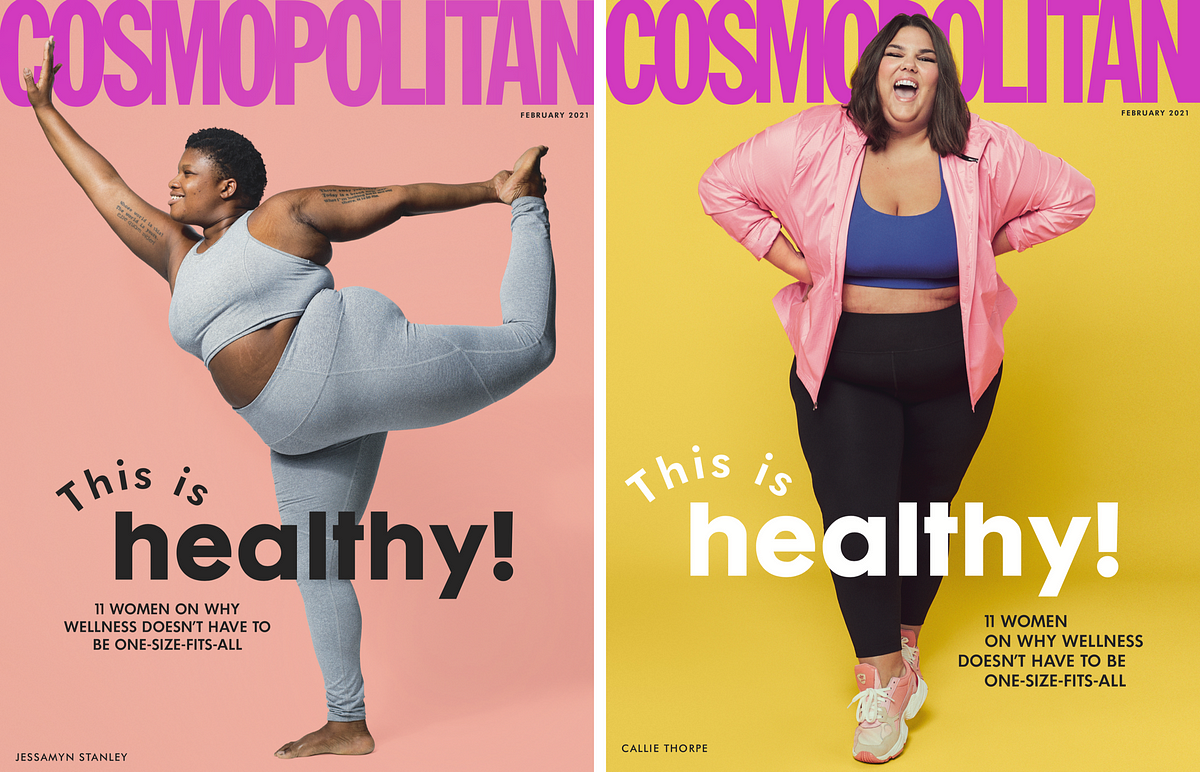
Inclusivity or Illusion? How Intersectionality Was Muted
One of the deepest tragedies of the co-optation is the silencing of intersectionality—the recognition that bodies do not exist in monolithic realities. The original Body Positivity movement was grounded in intersectional frameworks, addressing how race, gender, class, ability, and sexuality intricately shape experiences of embodiment. Current mainstream narratives, however, frequently flatten or ignore these complexities.
By favoring aesthetically marketable bodies or universalizing “wellness” regardless of socio-economic disparity, the movement’s remnants erase the systemic oppressions that affect access to health, representation, and autonomy. This whitening and flattening of body discourse turns vibrant histories and struggles into lip service, leaving marginalized communities to fend for themselves outside the spotlight.
The Road Ahead: Toward a Reclaimed Embodiment
What replaces a movement once so alive with promise must do more than rebrand or retreat. It demands reviving the ferocity of original demands while pushing beyond the binaries of love and neutrality. The future lies in weaving together radical inclusion with systemic dismantling, reclaiming bodies not only as sites of celebration but as battlegrounds for justice. This entails reckoning with capitalism’s grip and resisting reductionist wellness narratives that mask compliance as compassion.
Envisioning a truly emancipatory embodiment calls for solidarity—a communal awakening where bodies are honored in their full intersectionality, where health is defined by justice, and where liberation is collective and ongoing. Only then can the promise of the Body Positivity movement transcend its co-opted shell and reclaim its insurgent soul.









Leave a Comment