There’s something about the belly pooch—a subtle protrusion that many observe with a mix of disdain, curiosity, or even quiet fascination. Society bombards us with messages that this belly bobble is a flaw, a sign of weakness or lack of discipline. Yet, beneath the surface of this cultural narrative lies a far more intricate truth: that belly pooch is not an anomaly, but a natural choreography of organs simply existing and functioning as they are designed to. This is not about shame or perfection, but about understanding and reclaiming the narrative around our bodies. The belly pooch is, in essence, organs being organs—doing their vital, messy, indispensable work.
The Anatomy of the Belly: More Than Skin Deep
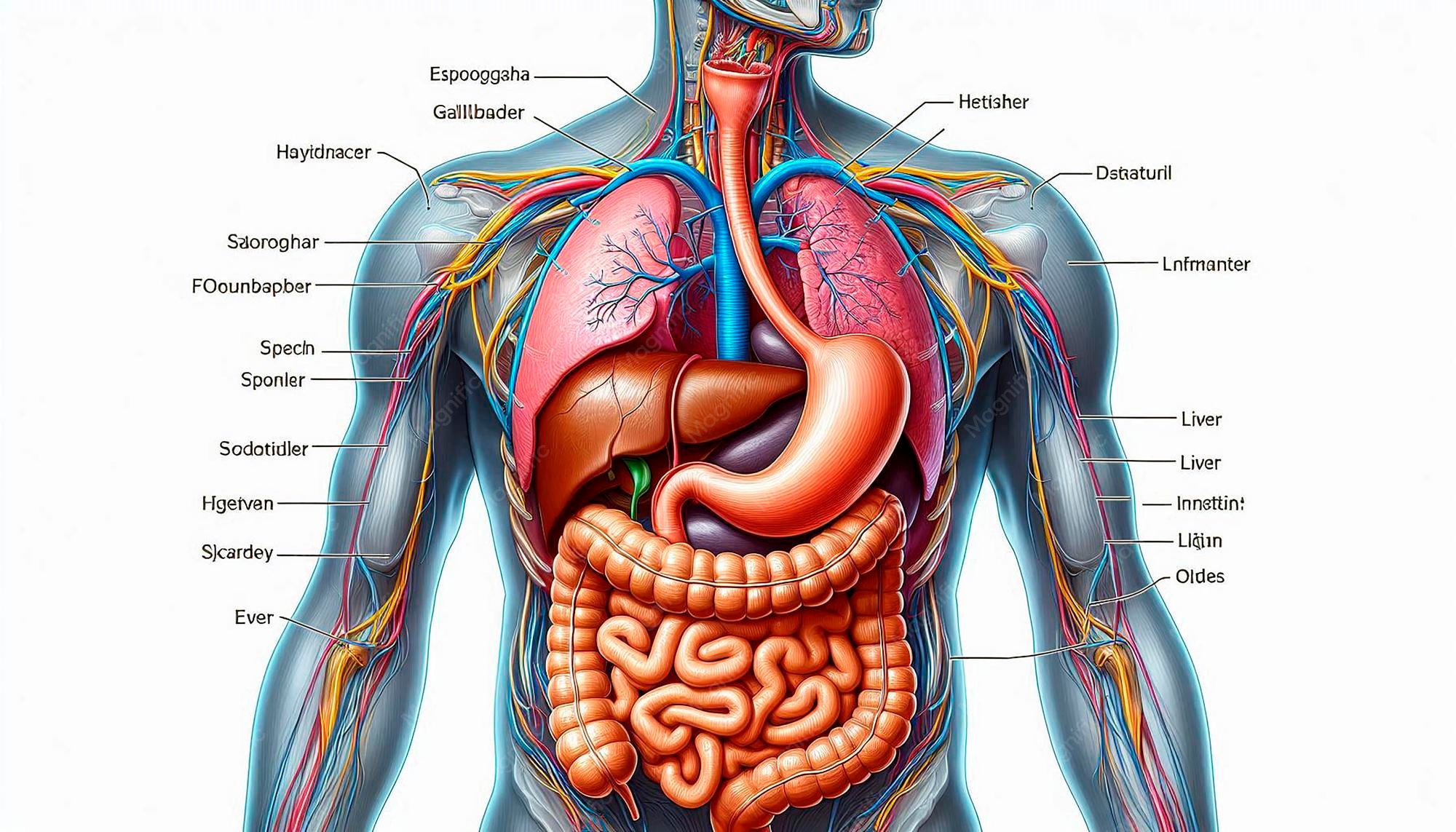
One mustn’t underestimate the complex symphony beneath the abdominal wall. The “pooch” often blamed and mocked is the visible tip of a substantial anatomical iceberg. Beneath layers of skin and variable amounts of subcutaneous fat lies a tightly packed assembly of organs, membranes, and muscles engaged in constant, indispensable activity.
The stomach expands and contracts as it digests food. The intestines coil and twist, moving nutrients and waste with a persistent rhythm. The liver filters toxins, the pancreas manages blood sugar, and the kidneys balance fluids. These organs do not conform to neat, flat lines. Instead, they bulge, shift, and take space in ways that defy the rigid, Photoshop-perfect ideals of the flat stomach.

Understanding this architectural complexity invites a new respect. The belly pooch is the visible testimony of a living, breathing organ system that simply refuses to pack itself into predetermined aesthetic boxes.
Why We Fixate on the Belly Pooch: Cultural and Psychological Layers
Why does this natural bulge provoke such obsessive fascination? The belly pooch is a site of intense cultural scrutiny, especially in societies where female bodies become battlegrounds for control and conformity. What is ostensibly an anatomical feature becomes a canvas onto which fears, guilt, and unrealistic standards are projected.
There’s a deep psychological undercurrent here: the belly as a symbol of nourishment and femininity simultaneously terrifies and tantalizes. It’s the site where life begins—a sanctuary for a growing fetus. Yet, in a culture fixated on youthful tautness and invisibility of bodily processes, this foundational truth is often reshaped into a symbol of failure or neglect.
Fascination with the pooch isn’t merely about aesthetics; it’s about what the belly represents—power, vulnerability, and the invisible labor of sustaining life. It holds the tidy secrets of digestion and elimination, both processes society prefers to ignore or sanitize in conversation.
Biological Realities: The Belly Pooch as a Natural Phenomenon
The belly pooch should be understood not as a malfunction, but as a physiological inevitability. As the body ages or undergoes changes—pregnancy, weight fluctuations, hormonal shifts—the distribution of fat and the laxity of connective tissues transform how the abdominal cavity presents itself externally.
Moreover, the visceral fat enveloping internal organs plays an essential role. This cushion not only protects but also hormones and influences metabolic pathways. Visceral fat is not simply a cosmetic inconvenience; it is a dynamic, metabolically active tissue critical to survival.
Muscle tone and posture further affect belly contour. The rectus abdominis and transverse abdominis muscles, when relaxed or weakened, allow the abdominal wall to bow out subtly. This pooch can be exaggerated or minimized but rarely eradicated without extraordinary interventions—a reminder that the body resists aesthetic demands that clash with biological function.
Accepting these biological truths dismantles harmful myths: that the belly pooch is laziness, lack of willpower, or irredeemable flaw. It is a signpost of living, not failing.
The Intersection of Feminism and Bodily Autonomy in the Belly Narrative
When the belly pooch is weaponized against bodies—especially women’s bodies—it becomes more than a trivial critique; it becomes a tool of oppression. Feminism challenges this narrative, urging society to emancipate the body from unrealistic, unattainable beauty standards that police worth and identity.
Reclaiming the belly pooch as a natural, often beautiful feature is an act of radical self-love and defiance. It questions who benefits from the commodification of body insecurities. The belly pooch, in this light, refuses to be erased, hidden, or shamed. It demands recognition of the lived experience, the authentic, the imperfect.
Moreover, the belly is a site of empowerment. It is the physical core of movement, strength, and survival. To vilify it is to ignore the powerful stories encoded in every fold, every contour—stories of resilience, creativity, and life itself.
Moving Beyond Stigma: Embracing Organs Doing Their Thing
What if the narrative shifted from erasure to embrace? What if the belly pooch was celebrated as a testament to the body’s intricate, irreplaceable functions? Such a shift requires radical cultural work—one that rejects the reductive aesthetics that fracture identity and alienate the self.
Education plays a pivotal role; understanding the anatomy and physiology behind the belly’s shape can dispel shame, replacing it with curiosity and reverence. It also calls for a reframing of health, not as a number on a scale or the flatness of a stomach, but as the holistic functioning of a body at peace with itself.
This acceptance is a rebellion against a culture that profits from insecurity. It instills a deep, unshakeable peace that comes from knowing your body is not a problem to be solved but a wonder to be honored.

The Unseen Stories Within the Bulge
Every belly pooch harbors unseen narratives—the scars of childbirth, the echoes of laughter-filled meals, the imprints of grief and joy all inscribed in tissue and muscle. It is a palimpsest of experience that no flat stomach can replicate.
Thus, the belly pooch is not just an anatomical phenomenon; it is a marker of living. It is a reminder that beneath the surface is an orchestra of organs, endlessly dynamic and remarkably resilient. The belly pooch, therefore, is not a flaw to be corrected but a story to be told, a body to be embraced.









Leave a Comment