
Have you ever wondered what would happen if you simply stopped being the emotional traffic cop in your relationship? Imagine turning in your badge, relinquishing the exhausting job of constantly managing your partner’s feelings, and watching your own anxiety dissolve like mist at dawn. Does liberating oneself from the invisible chains of emotional caretaking sound implausibly radical or refreshingly revolutionary? This narrative is not just a hypothetical musings—it’s the transformative journey many women embark on when they finally stop mediating their partner’s emotional world.
The Tyranny of Emotional Management: An Invisible Labor
For countless women, emotional management in relationships is an insidious form of invisible labor. It’s the subtle art of anticipating moods, decoding cryptic silences, and cushioning emotional landmines before they detonate—often without recognition or reciprocation. This ceaseless effort to mollify, soothe, and decode another person’s emotional landscape is a mental and emotional vortex that devours peace of mind.

The paradox here is staggering. By diligently managing a partner’s emotional fluctuations, a woman often sacrifices her own emotional autonomy. Her anxiety tends to burgeon under the weight of responsibility, leaving her emotionally exhausted and trapped in a cycle of hypervigilance. This onerous role breeds self-doubt, heightens insecurities, and perpetuates the belief that peace in the relationship hinges solely on her emotional policing.
Unmasking the Myth: Why Must She Carry This Burden?
Isn’t it profoundly curious how emotional caretaking often defaults to women? This societal dynamic is more than old-fashioned gender roles—it’s a pernicious expectation wrapped in layers of cultural conditioning. Women are frequently socialized to prioritize others’ feelings over their own, positioning their emotional labor as a nurturing imperative rather than a choice.
Yet, questioning this norm is essential. Why should her emotional wellbeing be contingent on managing someone else’s feelings? And what if the very act of managing his emotions obstructs authentic intimacy rather than facilitates it? The irony is brutal: in trying to create harmony, she might actually be drowning in dissonance.

Reclaiming Emotional Sovereignty: The Moment She Let Go
Picture the moment when a woman decides to stop parenting her partner’s emotions. This is no meek retreat but a daring act of self-preservation. She halts the anticipatory anxiety, the interpretive gymnastics, the silent self-sacrifices cloaked in pleasantries. This decision is the luminous pivot—transformative and tremulous.
Stopping emotional management does not mean becoming indifferent or uncaring; it means dismantling the unequal emotional economy that has long bankrupted her mental health. By disengaging from the role of caretaker, she asserts that her emotional labor is not an obligation but a choice, and when that choice is revoked, a remarkable phenomenon occurs—her own anxiety begins to recede.
The Psychological Liberation: Why Anxiety Melts Away
Anxiety thrives in environments where control is illusory yet compulsively sought. By manning the emotional control tower for her partner, she engaged in an endless quest to predict, prevent, and placate emotional storms. This exhaustive vigilance lit a fires of persistent anxiety, fueled by the belief that if she slipped just once, chaos would ensue.
Abandoning this relentless responsibility introduces a paradoxical freedom: letting go of control actually reduces anxiety. Her nervous system, previously on high alert, relaxes because the unpredictable emotional terrain is no longer exclusively hers to navigate. By disentangling herself, she stops shouldering the emotional outcomes that were never truly hers to bear.
Redrawing Relationship Boundaries and Expectations
Once she stops managing his emotions, the very fabric of the relationship begins to recalibrate. Boundaries—often blurred by years of emotional caretaking—are redrawn with stark clarity. This recalibration challenges entrenched expectations and demands new forms of accountability and reciprocity.
It also forces the partner to reckon with his own emotional responsibility. Without her as a buffer, he must confront feelings he might have otherwise offloaded or withheld. This shift can be discomfiting but ultimately fosters a healthier emotional dialogue rooted in mutual respect rather than unilateral caretaking.
The Subtle Resistance: Social and Internal Pushback
Resistance emerges swiftly when a woman ceases to be the emotional manager. Externally, she might face bewilderment, resentment, or even covert sabotage. Society—steeped in outdated gender prescriptions—may try to reassert the status quo through well-meaning advice or passive-aggressive nudges.
Internally, she wrestles with guilt and fear. These are echoes of years conditioned to equate emotional caretaking with love and worthiness. Untangling this mental labyrinth requires courage and persistent introspection.
From Anxiety to Authenticity: Embracing Emotional Equilibrium
The final stage of this evolution is embracing a relationship where emotional equilibrium is a shared responsibility, not a unilateral burden. Here, anxiety relinquishes its grip, replaced by genuine connection grounded in authenticity and balanced emotional engagement.
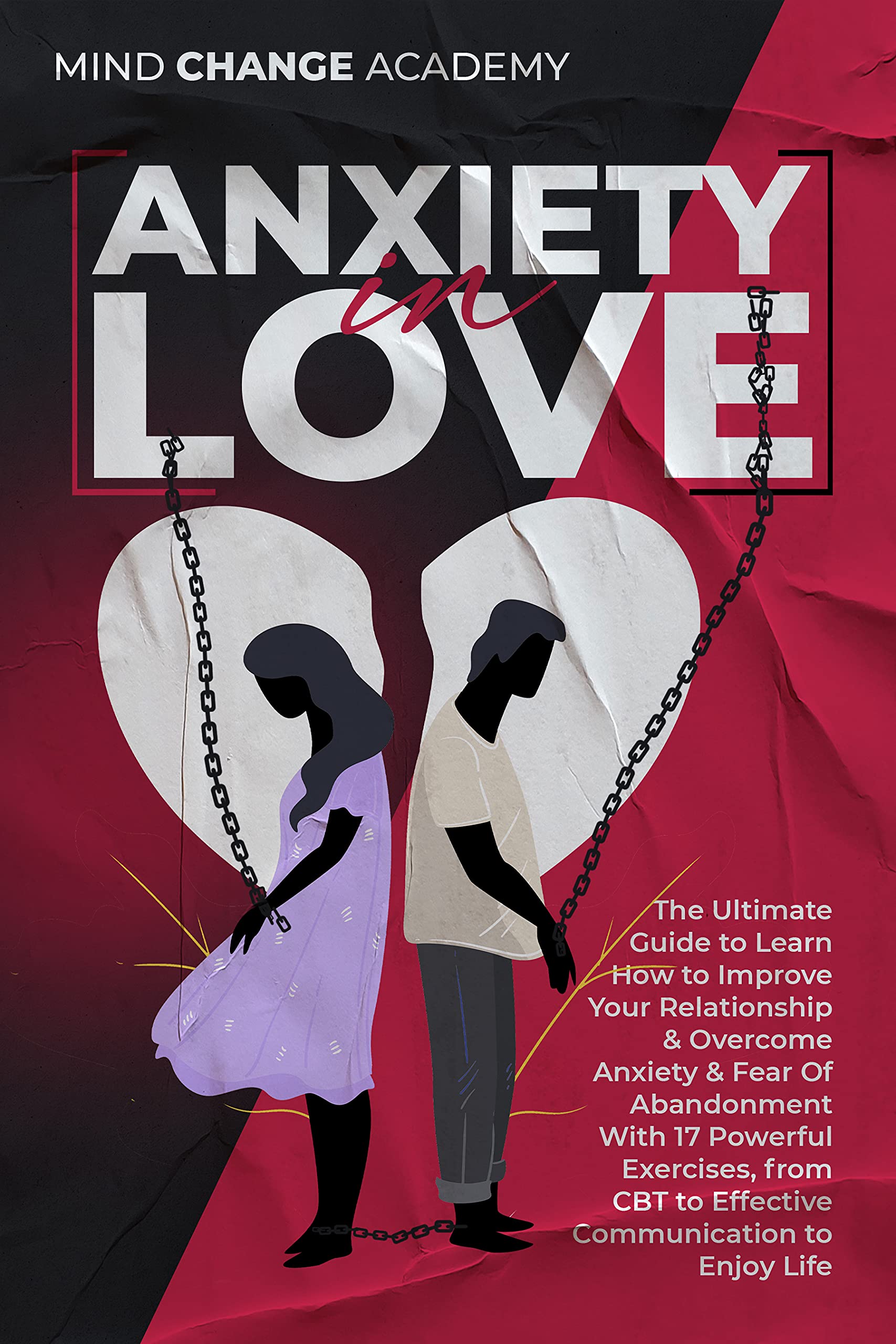
In this reimagined dynamic, love isn’t the currency of emotional servitude but the soil from which mutual growth flourishes. She learns that preserving her mental serenity is an act of radical self-love and a prerequisite for sustaining any relationship worth its salt.
So, what if the secret to dissolving anxiety doesn’t lie in fixing your partner’s feelings? What if it lies in daring to stop managing them altogether?









Leave a Comment