In the covert sanctuaries of ink and paper, a revolution brews. Rage journaling—a fierce, unfiltered outpouring of anger and raw emotion—has emerged as a radical act of reclaiming selfhood and dismantling toxic relational frameworks. What began as a therapeutic endeavor for one woman spiraled into a transformative odyssey, rewiring her understanding of love, power, and vulnerability. Her pen did not merely scratch the surface; it excavated buried resentments, systemic imbalances, and the unspoken narratives of female rage that society so often seeks to suppress. This journey unravels the multifaceted ways rage journaling reconfigures personal relationships and, ultimately, the self.
The Genesis of Furious Ink: Why Rage Journaling?
At its core, rage journaling is not about fostering bitterness or perpetuating conflict. It’s a deliberate, unvarnished act of emotional excavation. When anger is systematically muted—especially in women—it ossifies into invisible chains. Rage journaling provides a sanctuary where suppressed fury is not just acknowledged but celebrated as a valid and potent force. The act of writing ruthlessly uncensors a lexicon of rage that challenges societal expectations of docility and emotional containment. It is the incendiary spark that ignites self-awareness and demystifies unhealthy relational dynamics.

This method is especially crucial when confronting toxic love—relationships riddled with manipulation, control, or emotional erosion. Pouring scalding words onto the page allows for a clarifying purge, revealing patterns previously obscured by denial or fear.
Dumping the Emotional Landfill: Confronting Toxicity Through Writing
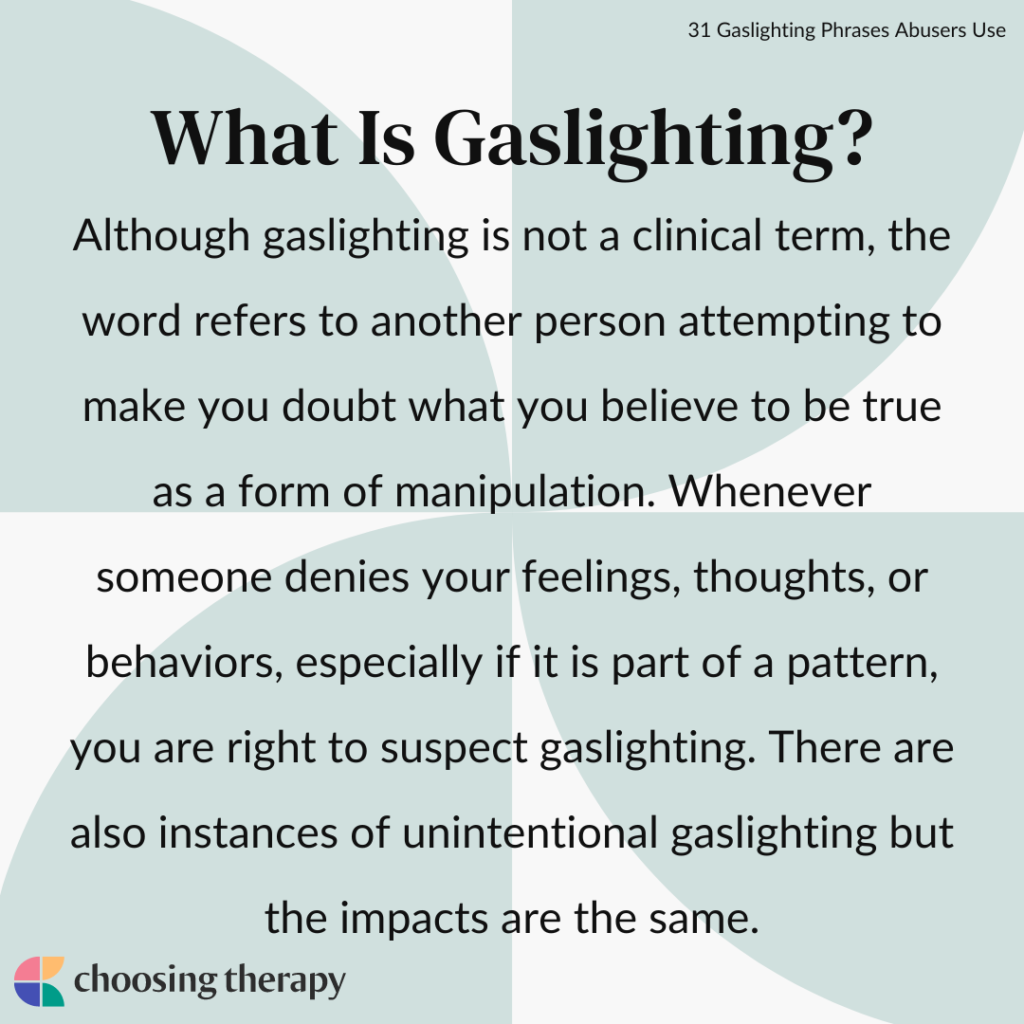
The rage journal evolves into an archaeological dig at the feet of toxic relationships. Each entry serves as a coded excavation of betrayals, gaslighting episodes, and microaggressions. The written word becomes a weaponized shield against normalized abuse—a reclamation of voice in the face of silencing. Crafting detailed prompts designed specifically to unravel the knotted threads of toxicity helps to dissect the labyrinthine nature of such connections.

Readers who embark on this path gain access to incisive questions that demand ruthless honesty: What boundaries were crossed without your consent? How did these invasions shape your trust? What masquerades did emotional manipulation take in your life? This isn’t casual catharsis—it’s methodical deconstruction. The act intensifies recognition of abuse, allowing survivors to parse their trauma with both academic rigor and visceral feeling.
Breaking Free: Rage Journaling as a Guide to Liberation
True catharsis occurs when fury ceases to be a mere internal storm and instead propels movement outward—towards liberation. Rage journaling functions as a blueprint for severing entanglements that suffocate personal growth. It crystallizes the harrowing complexities of disentanglement from physically or psychologically abusive relationships, illuminating the treacherous paths survivors confront.
Guided prompts oriented around recognizing red flags, envisioning futures free from harm, and awakening dormant courage provide a scaffold for radical transformation. Here, rage is not just emotion; it transmutes into a catalyst for action—resolute and sovereign. The pages hold both witness and compass, empowering a survivor to redraw relational boundaries with fierce autonomy.
From Rage to Reconciliation: Navigating the Spectrum of Relationship Dynamics
Yet rage journaling is not a monolith. It doesn’t only spotlight fracture; it also nurtures the delicate art of rebuilding connection—not through submission or erasure, but through empowered empathy. By chronicling the peaks of love alongside the valleys of rage, individuals can cultivate relational literacy that transcends simplistic binaries of right and wrong.
With steadfast intention, journaling prompts encourage reflection beyond anger: What parts of the relationship evoke tenderness? Which miscommunications fuel conflicts? How can vulnerability coexist with newfound boundaries? This nuanced approach underscores rage as a facet of complexity rather than a verdict, opening doors to healthier, more authentic engagements.
Digital Rage Journaling: The New Frontier
The digital realm has expanded rage journaling beyond the pages of traditional notebooks. Interactive prompts, multimedia integrations, and community forums foster collective witnessing and validation for those confronting relational strife. Far from isolating, these platforms amplify the insurgent voices of rage in sisterhood.
By embedding rage journaling in accessible, tech-driven formats, the practice transcends geography and stigma. It offers a continuum of tools—from tactile writing exercises to reflective digital prompts—ensuring that rage finds fertile ground for growth and healing in diverse contexts.
The Aftermath: How Rage Journaling Reshapes Self and Society
Once unleashed and channeled, rage journaling erodes deeply entrenched myths of feminine passivity and silence. It spurs a renegotiation of identity, reinforcing boundaries and bolstering self-worth. The ripple effect challenges societal complicity in erasing female rage, reshaping conversations around power, love, and justice.
On a relational plane, transformed individuals enter interactions carrying the vital residue of rage—not as a destructive force, but as a beacon of authenticity and unyielding respect. Relationships born from this crucible stand on pillars of honesty and equitable power dynamics, rejecting the coercion of old scripts.
In the alchemical marriage of fury and pen, rage journaling offers not only survival but renaissance. It is an unrelenting manifesto inked in defiance—a herald of change one furious word at a time.






Leave a Comment