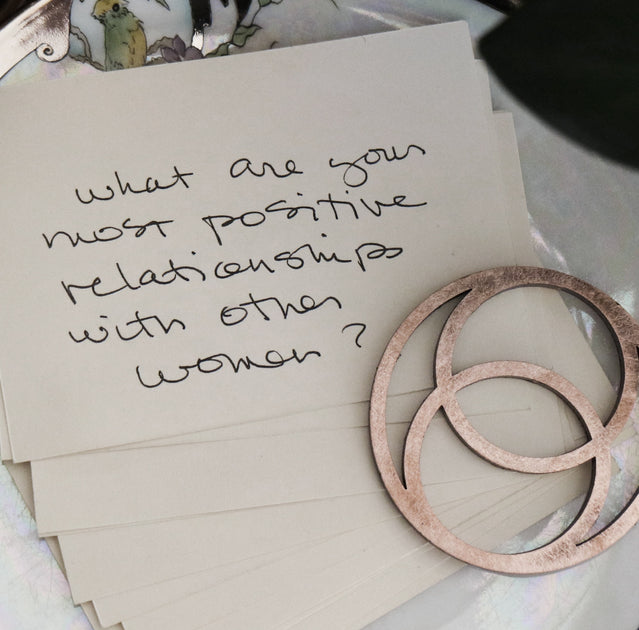
What if the most radical act of resistance wasn’t a protest sign or a viral hashtag, but a shared meal? Not just any meal—a feminist supper club, where the clink of wine glasses drowned out the patriarchal clatter of the dinner table. Where the unspoken rules of hospitality were rewritten, and every bite became a manifesto. This isn’t a fantasy. It’s a revolution, served on a plate.
The Birth of a Feminist Feast: When Dinner Became Defiance
Picture this: a dimly lit room, the scent of garlic and roasted vegetables hanging in the air like an incantation. Women—some strangers, some friends—gather around a table laden with food that wasn’t just nourishment, but a silent rebellion. The feminist supper club wasn’t born from a manifesto or a policy paper. It emerged from the simple, subversive act of claiming space. Space to speak. Space to eat. Space to exist without apology.
The first of these gatherings likely began as an intimate gathering, a handful of women tired of the male-dominated dinner parties where their voices were sidelined by the volume of a man’s opinion. They wanted a table where their stories mattered more than the silence. Where the act of cooking wasn’t just labor, but power. Where the food itself became a symbol—of sustenance, of solidarity, of survival.
Imagine the first night: hesitant laughter, the clatter of forks against plates, the unspoken tension of women who had spent years being talked over. Then, slowly, the conversation deepened. The food wasn’t just sustenance; it was a catalyst. A way to break the ice, to lower defenses, to make the personal political in the most delicious way possible.
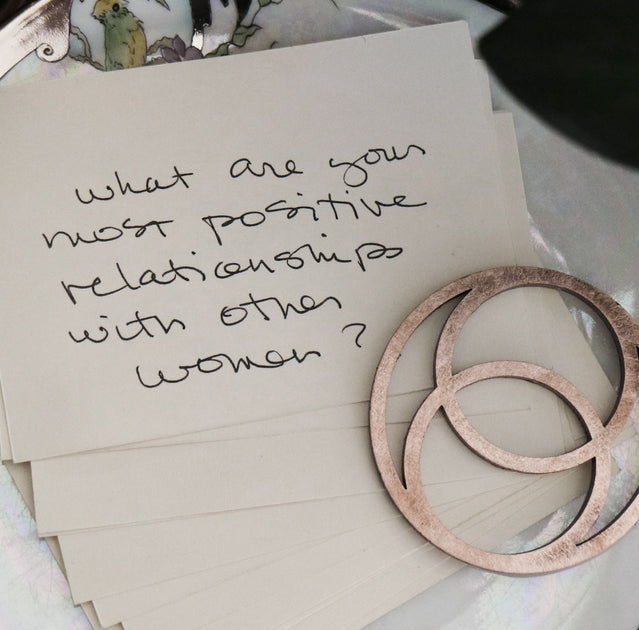
Why Supper Clubs Are the Ultimate Feminist Trojan Horse
Let’s be clear: a feminist supper club isn’t just about food. It’s a Trojan horse—a delicious, fragrant one—smuggling radical ideas into the hearts and minds of those who gather. The dinner table has always been a site of power. Who sits at the head? Who gets to speak? Who is served first? In a patriarchal world, these questions are loaded. But in a feminist supper club, they’re dismantled, one course at a time.
Consider the seating arrangement. No more men at the head, dominating the conversation while women clear the plates. Instead, a circle. A democracy of flavor. A place where everyone is both guest and host, where the labor of cooking is shared, where the emotional labor of listening is valued as much as the food on the plate.
And the food itself? It’s not just sustenance. It’s a statement. A vegan dish isn’t just a dietary choice; it’s a rejection of the industrial meat complex that exploits women workers. A dish made with local, seasonal ingredients isn’t just trendy; it’s a stand against the globalized food industry that prioritizes profit over people. Even the act of cooking becomes political—who prepares the meal? Who gets credit? Who is invisible?
But here’s the playful challenge: Can a feminist supper club truly be feminist if it’s only accessible to those who can afford the time and money to attend? What about the women who work multiple jobs, who can’t afford a $50 plate of artisanal quinoa? The movement risks becoming an echo chamber for the privileged unless it grapples with this question head-on.
The Alchemy of Conversation: How Food Unlocks Truths
There’s something about breaking bread together that loosens tongues. Food has a way of making us vulnerable—we’re messy eaters, we spill, we laugh, we indulge. In a world where women are often expected to be polished and perfect, a supper club becomes a space where messiness is not just allowed, but celebrated.
The conversations that unfold around these tables are the stuff of legend. Women who’ve spent years silencing themselves finally find the courage to speak. Survivors of abuse share their stories over wine. Young activists learn from elders who’ve been fighting the same battles for decades. The food becomes a bridge, a way to connect across generations, cultures, and experiences.
But it’s not just about sharing stories. It’s about rewriting them. The feminist supper club isn’t just a place to vent—it’s a place to strategize. To plan. To organize. To turn anger into action. The meal ends, but the movement doesn’t. The recipes are swapped, the contacts are exchanged, the seeds of change are planted.
And yet, there’s a tension here. In a world that demands women be likable, be quiet, be accommodating, a supper club that encourages unfiltered conversation can feel like a luxury. What happens when the wine runs out, and the real work begins? Can these gatherings translate into tangible change, or are they just a temporary salve for systemic wounds?
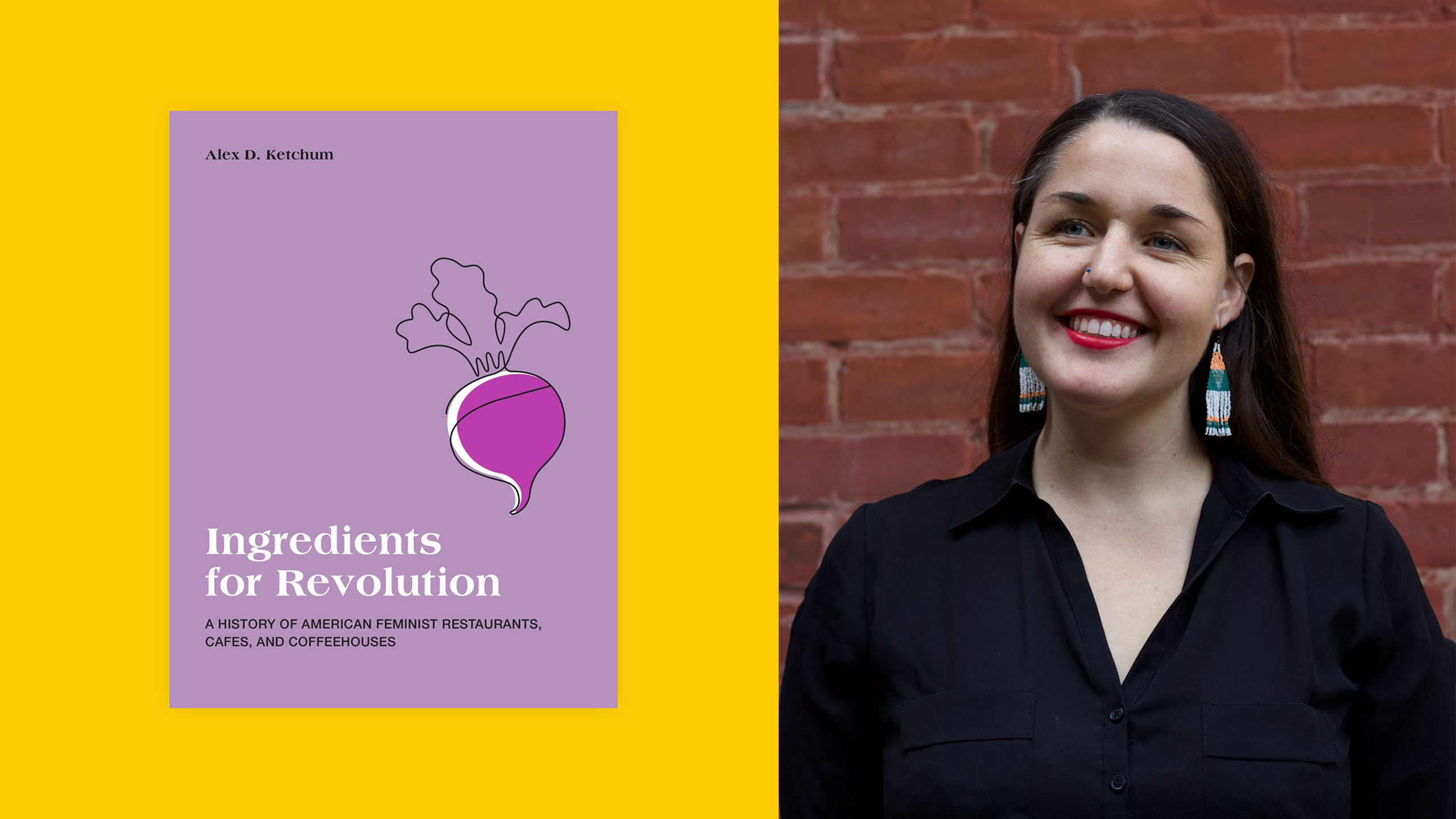
The Menu as Manifesto: What’s on the Plate Matters
A feminist supper club’s menu isn’t just a list of dishes—it’s a political statement. Every ingredient, every technique, every presentation is a choice. A vegan dish? A nod to animal rights and environmental justice. A dish made with ingredients sourced from women-led farms? A celebration of economic empowerment. A dessert that’s indulgent, not virtuous? A rejection of the idea that women must always be “good” or “pure.”
But the menu is also a challenge. How do you create a meal that’s inclusive? That doesn’t alienate women with dietary restrictions, cultural differences, or financial constraints? How do you balance the desire for locally sourced, organic ingredients with the reality that not everyone can afford them? And what about the labor behind the meal—the women who cook, who clean, who organize? Are they compensated fairly, or is the feminist supper club just another space where women’s work goes unpaid?
The most radical menus don’t just feed the body—they feed the soul. They challenge diners to think differently. To question. To imagine a world where food isn’t just fuel, but a tool for liberation. But a menu, no matter how radical, can’t change the world alone. It needs people. People who are willing to show up, to listen, to act.
The Ripple Effect: How One Supper Club Becomes a Movement
The feminist supper club isn’t just a trend—it’s a movement in the making. What starts as a handful of women gathering in a living room can grow into a network of solidarity, a web of support that stretches across cities, countries, continents. These gatherings have a way of multiplying. One woman attends, then brings a friend. That friend starts her own club. The ripple effect is real.
But movements need more than just good vibes. They need structure. They need strategy. They need to ask the hard questions: How do we scale without losing the intimacy? How do we ensure that these spaces remain accessible to those who need them most? How do we turn conversation into action?
The most successful feminist supper clubs don’t just end with a full stomach—they end with a plan. A call to action. A commitment to keep fighting. Whether it’s organizing a protest, supporting a local women’s shelter, or lobbying for policy change, these gatherings have the power to turn dinner table chatter into real-world impact.
And yet, there’s a danger in romanticizing these spaces. Not every feminist supper club is a utopia. Not every conversation is productive. Not every gathering leads to change. The challenge is to keep pushing, to keep questioning, to keep demanding more—not just from the world, but from ourselves.
The Future of Feminist Dining: Will It Save Us—or Just Feed Us?
So, can a feminist supper club change the world? The answer is yes. And no. It can’t dismantle systemic oppression on its own. It can’t fix the wage gap or end gender-based violence or rewrite the laws that govern our lives. But it can do something just as important: it can remind us that another world is possible. That power doesn’t have to look the way we’ve been told it does. That liberation can taste like spiced lentils and smell like fresh-baked bread.
The feminist supper club is a reminder that revolution doesn’t always come with a megaphone. Sometimes, it comes with a casserole dish. Sometimes, it’s the quiet hum of women talking late into the night, their voices weaving together like the threads of a tapestry. Sometimes, it’s the simple act of breaking bread together that reminds us we’re not alone.
But the real question isn’t whether these gatherings can save us. It’s whether we’re willing to do the work to make them matter. Whether we’re willing to show up, not just as guests, but as architects of change. Whether we’re willing to let the meal be the beginning, not the end.
The table is set. The wine is poured. The conversation is waiting. What will you bring to the table?









Leave a Comment