
The invisible scaffolding of society is held aloft by hands that scrub, stitch, and serve—hands that are almost always women’s. These hands do not clutch briefcases or sign corporate contracts; they cradle the weary, knead the dough, and scrub the stains of a world that forgets to say thank you. Yet when danger loomed, when the air itself became a silent assassin, these same hands did not cower. They organized. They demanded. They won.
The Alchemy of Anger: Turning Grievance into Gold
Anger is the raw ore of revolution, but it is useless unless forged into something sharp. The women who labored in hospitals, schools, and homes during the pandemic did not merely seethe—they transmuted their fury into a currency of justice. Hazard pay was not a gift bestowed by benevolent employers; it was a ransom paid for the right to survive. These workers understood that their labor was essential, not because it was convenient for capital, but because without it, the entire edifice of modern life would collapse into dust.
Imagine the audacity: standing in the shadow of death, demanding not just survival wages, but a premium for risking your life. This was not negotiation—it was extortion, but extortion with a moral mandate. They wielded the most powerful weapon in the arsenal of the oppressed: the unignorable truth that the world cannot function without them.

The Invisible Army Rises: From Kitchen Floors to Boardroom Tables
They were the cleaners who scrubbed away the virus from hospital floors, the teachers who held virtual classrooms together with sheer willpower, the caregivers who cradled the dying when families abandoned them. Their work was deemed “non-essential” by bureaucrats who had never held a mop or changed a diaper. Yet when the world locked down, it was their labor that kept the lights on.
Their organization was not born in grand halls or union headquarters, but in WhatsApp groups and Zoom calls, in late-night kitchen-table meetings where the weight of the world was dissected over tea. They were not waiting for permission. They were seizing it.
This was not a strike of fists raised in unison, but a strike of necessity—a refusal to be erased. They demanded hazard pay not as a favor, but as restitution for years of being told their labor was worth less than a man’s, less than a machine’s.
The Hazard Pay Heist: Stealing What Was Never Meant to Be Given
Hazard pay is not charity. It is not a bonus for good behavior. It is a recognition of the fact that some jobs are not just labor—they are sacrifice. These women were not asking for a handout; they were demanding a ransom for the right to live. And they won.
Consider the irony: the same institutions that had spent decades devaluing their work now scrambled to placate them with temporary financial crumbs. The hospitals that had understaffed their wards now offered bonuses. The schools that had underpaid their teachers now dangled hazard pay like a carrot before a starving horse.
But this was not charity. It was a transaction. The world had finally admitted, albeit reluctantly, that their labor was worth more than the pittance they had been paid. And once that genie was out of the bottle, there was no stuffing it back in.
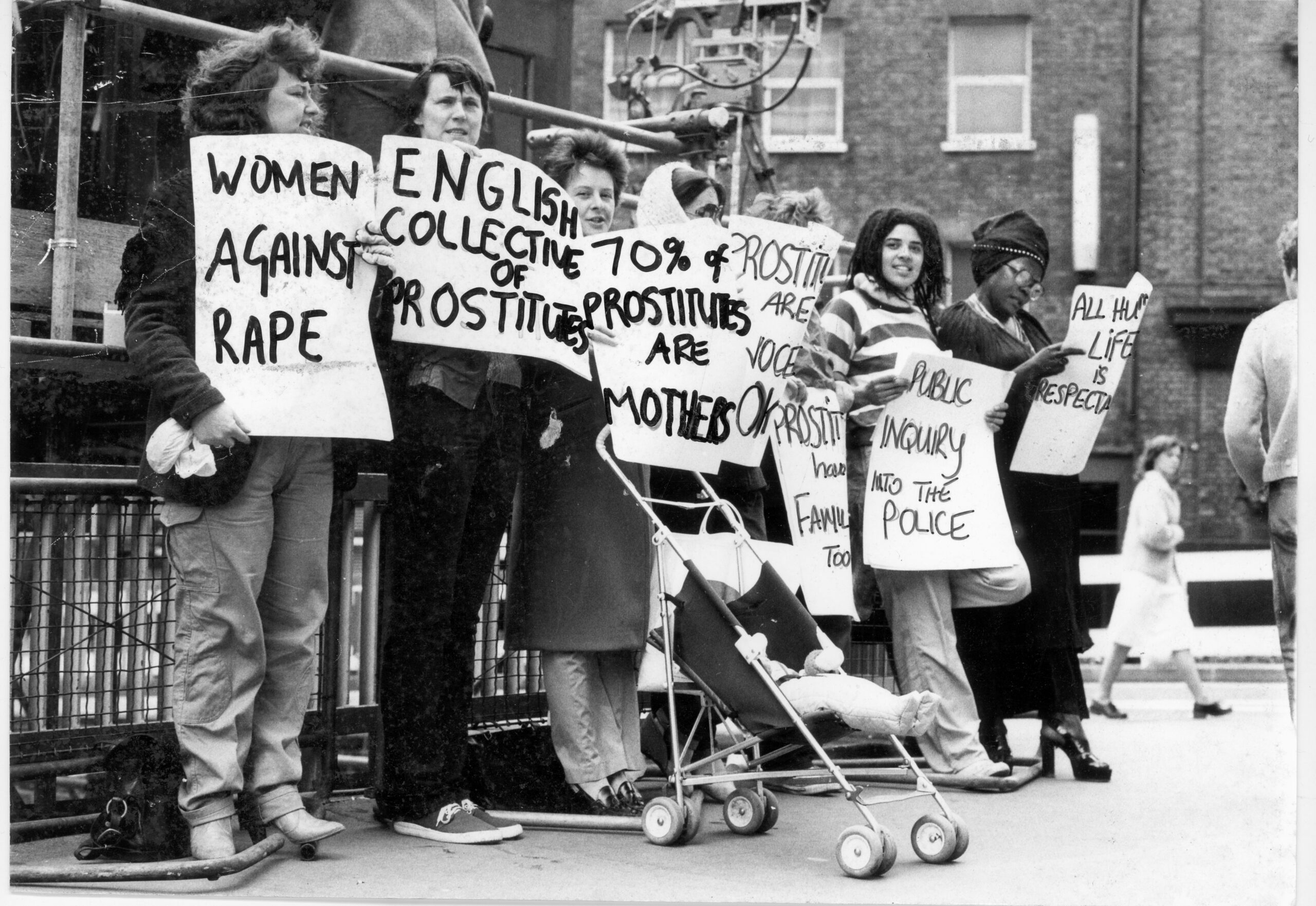
The Ripple Effect: When One Woman’s Victory Becomes a Movement’s Fire
The hazard pay victories were not isolated triumphs. They were the first dominoes in a chain reaction that could topple the entire system of exploitation. Once women saw that their labor had value, they began to ask: what else have we been denied?
The fight for hazard pay was not just about money. It was about dignity. It was about the right to say, “I will not die for your profit.” It was about the slow, inexorable unraveling of the myth that women’s work is infinite, that their bodies are disposable, that their lives are negotiable.
And now, the question lingers like a challenge: if hazard pay was won for the essential, what about the rest? The women who clean offices after hours, who care for the elderly in silence, who sew clothes in sweatshops—when will their turn come?
The Unfinished Symphony: What Comes After the Hazard Pay Victory?
The hazard pay battles were a symphony of resistance, but the final movement has not yet been written. The real victory will come when hazard pay is not a temporary concession, but a permanent fixture of labor rights. When the women who scrubbed hospital floors are not just thanked, but paid what they are worth. When the teachers who held virtual classrooms together are not just applauded, but compensated fairly.
This is not the end. It is the beginning of a new kind of labor uprising—one led not by men in suits, but by women who have spent too long in the shadows. Their fight was not just for hazard pay. It was for the right to exist without apology, without exploitation, without being told to be grateful for the crumbs they are given.
Their victory was not just a paycheck. It was a manifesto. And the world will never be the same.









Leave a Comment