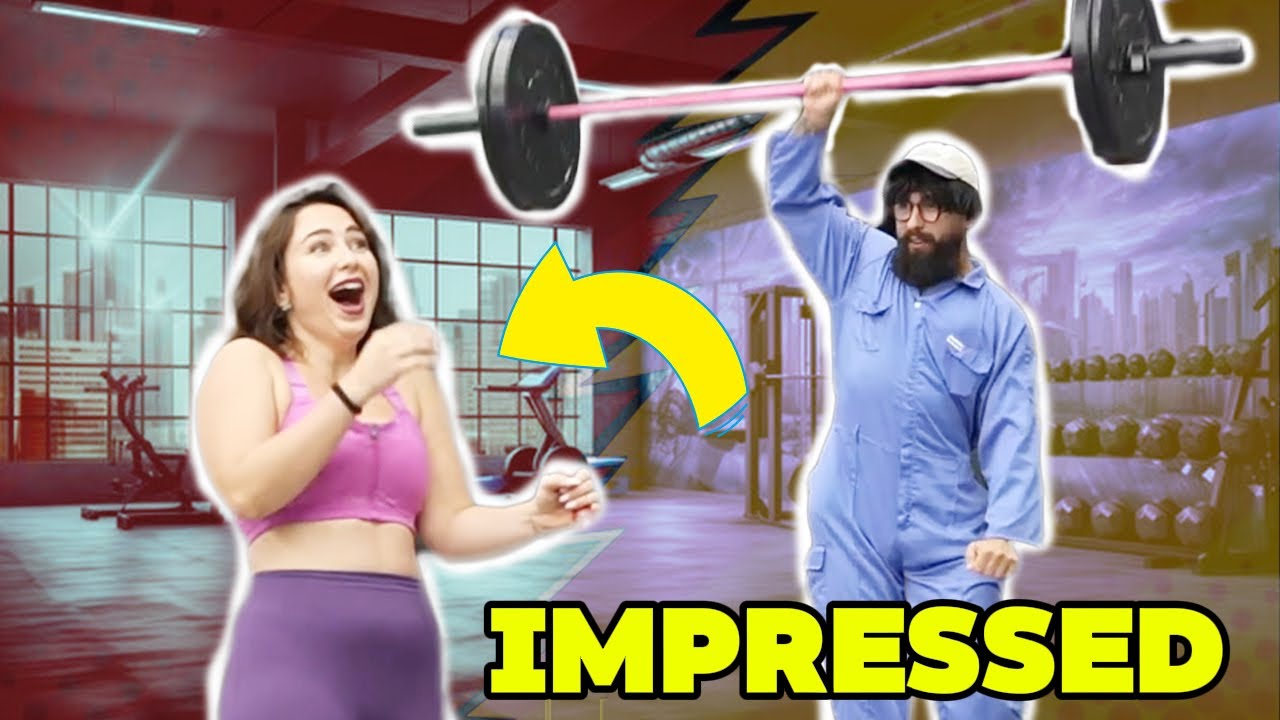
The gym is supposed to be a sanctuary of strength, discipline, and self-improvement. Yet, for many women, it often transforms into a battleground where condescension lurks behind every dumbbell rack and smirk. When a woman dared to document the insidious act of mansplaining during a jiu-jitsu class, the internet was forced to confront an uncomfortable truth: the irony of being mocked for competence is heavier than any barbell.
The Gym as a Microcosm of Patriarchal Gaslighting
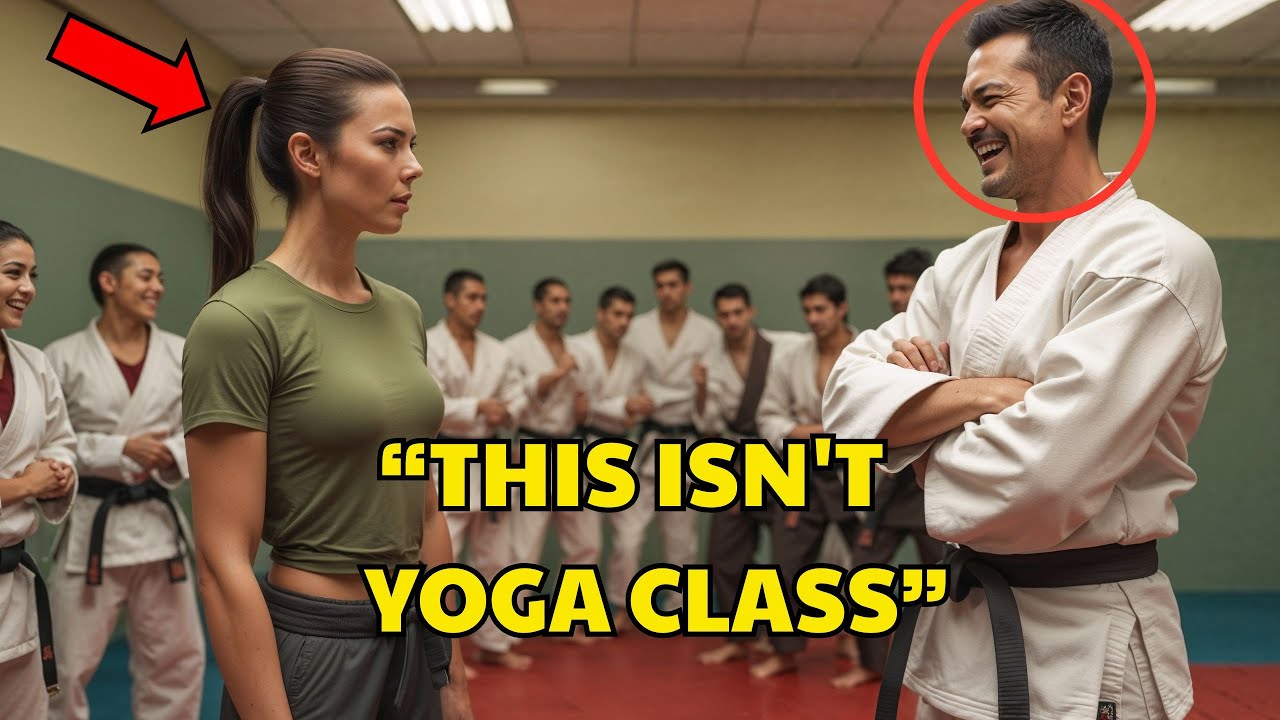
Imagine stepping onto the mats, your body coiled with anticipation, only to be met with a chorus of skepticism. The woman in the viral video wasn’t just facing opponents—she was navigating a gauntlet of unsolicited “advice” from men who assumed her ignorance before she even spoke. This isn’t just about fitness; it’s about the relentless erasure of women’s expertise in spaces where their presence is already policed.
Mansplaining in the gym isn’t a harmless quirk—it’s a power play. It’s the same dismissive tone used to undermine women in boardrooms, lecture halls, and yes, even on the mat. The irony? These men, who likely wouldn’t dare “coach” a male black belt, felt entitled to dissect her technique mid-roll. The gym, a place of physical prowess, becomes a stage for performative masculinity, where competence is weaponized against those who dare to excel.
Documenting the Invisible: Why Recording Matters
In a world where women’s voices are routinely drowned out, documentation is resistance. The act of filming isn’t just about capturing evidence—it’s about reclaiming agency. Every second of that video is a rebuttal to the myth that women are “too sensitive” or “overreacting” when they call out sexism.
But recording isn’t just for the internet’s catharsis. It’s a tool for accountability. When men see their own behavior laid bare, they can no longer hide behind the veil of “I didn’t mean it.” The footage forces them to confront the weight of their words—the way a patronizing pat on the head can feel like a shove when it’s delivered by someone who assumes you’re incapable.
And yet, the backlash is inevitable. Critics will argue that the video “exaggerates” the situation, that the men in question were “just trying to help.” But whose help is it, really? The kind that humiliates, or the kind that uplifts? The camera doesn’t lie. It exposes the chasm between intent and impact, between “advice” and condescension.
The Spectacle of Male Fragility
There’s a particular brand of male fragility that thrives in gyms across the globe. It’s the kind that wilts under the gaze of a woman who might actually know what she’s doing. The men in the video didn’t just mansplain—they turned her moment of triumph into a spectacle of their own superiority. Their laughter wasn’t joyful; it was defensive, a shield against the threat of her competence.
This fragility isn’t confined to the mats. It’s the same energy that derails women’s promotions, interrupts their ideas in meetings, and polices their clothing choices. The gym is just another arena where male insecurity masquerades as camaraderie. And when a woman calls it out? The irony curdles. The men who mocked her for “not knowing” are the ones who can’t handle the truth of her skill.
What’s truly ironic is that these men would never tolerate being “coached” by someone half as qualified as they are. Yet, they feel entitled to lecture a woman whose grappling speaks volumes louder than their words ever could.
Beyond the Viral Clip: The Everyday Erasure of Women in Fitness
While the video went viral, it’s just one thread in a larger tapestry of exclusion. Women in fitness spaces face a gauntlet of microaggressions: being told to “smile more” while lifting, having their form critiqued by strangers, or being steered toward “aesthetic” workouts instead of strength training. The gym isn’t neutral ground—it’s a battleground where women’s bodies are constantly scrutinized, their efforts constantly undermined.
And let’s not forget the physical barriers. From locker rooms that feel like minefields to equipment that’s sized for male frames, the infrastructure of fitness is designed to keep women out. Mansplaining is just the verbal manifestation of a system that treats women as afterthoughts.
So what’s the solution? It starts with listening. When a woman speaks up about her experience, believe her. When she documents injustice, amplify her voice. And when men feel the urge to “help,” they should ask themselves: Is this advice, or is it a power grab?
The Ripple Effect: How This Video Changes the Conversation
The internet’s reaction to the video wasn’t just outrage—it was a reckoning. Women shared their own stories of being mansplained out of their passion, their expertise, their right to exist in spaces that were never meant for them. The ripple effect is undeniable: more women are filming their experiences, more men are being called out, and more people are waking up to the insidious nature of casual sexism.
But change isn’t just about viral moments. It’s about the slow, steady work of dismantling the systems that allow this behavior to thrive. It’s about gyms enforcing codes of conduct. It’s about men holding each other accountable instead of laughing along. It’s about recognizing that competence isn’t gendered—and that the irony of being mocked for skill is a burden no woman should have to bear.
The next time you step into a gym, ask yourself: Are you there to lift weights, or to prop up your ego? The answer might just define whether you’re part of the problem—or part of the solution.







Leave a Comment