Have you ever wondered if the relentless emotional weight perched on women’s shoulders is truly anxiety—or just the invisible price of being the family’s emotional anchor? It’s a curious paradox. Society lauds these women as pillars of strength, yet often disregards the profound toll it exacts on their mental landscape. This ceaseless negotiation between care and inner turmoil is an enigma begging for scrutiny.
The Unseen Labor: Emotional Load as an Invisible Burden
Women, across cultures and classes, are overwhelmingly cast as the custodians of emotional harmony within their families. This isn’t just about managing schedules or mediating disputes—it is about absorbing emotional turbulence, emotional labor that is as exhaustive as any physical toil. They become the human silos for anxiety, guilt, resentment, and hope. Imagine carrying a silent storm, day in and day out, being responsible not only for their own emotional well-being but the wellbeing of children, partners, aging parents, and sometimes even extended relatives.
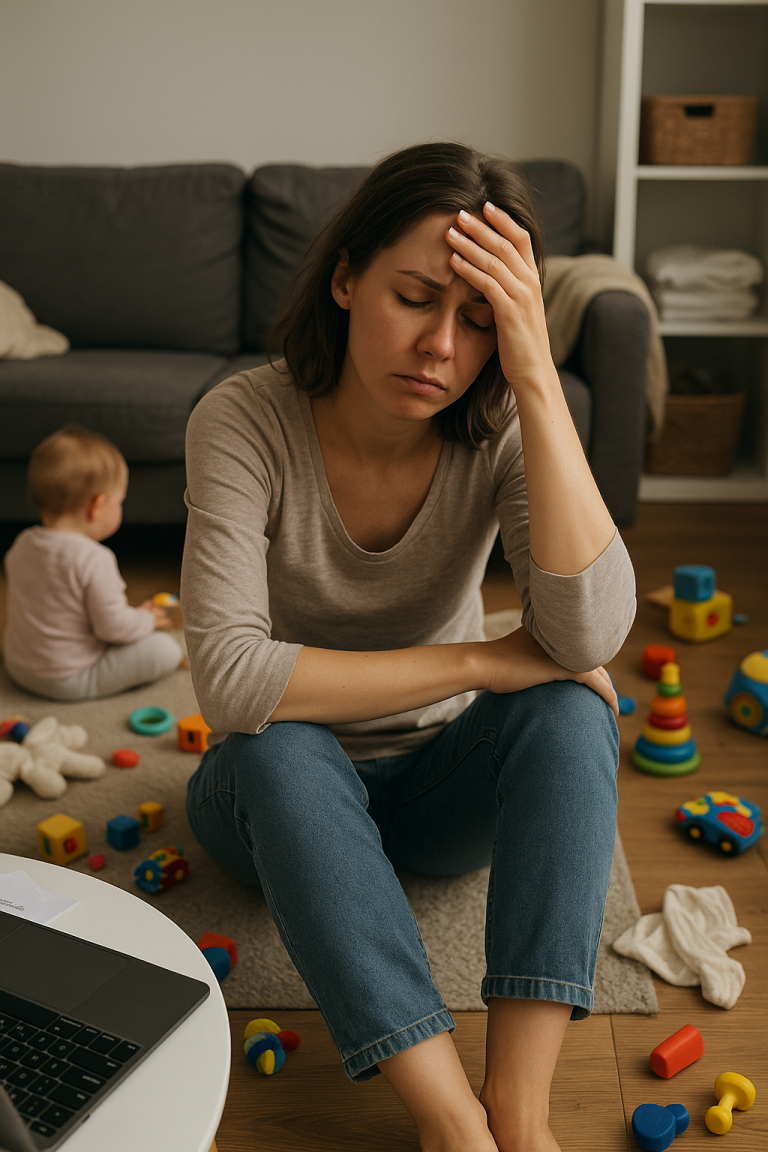
This incessant role cultivates an insidious form of anxiety—a creeping dread that is not always acknowledged or understood even by those who bear it. The anxiety here is more than transient worry; it’s a chronic condition weaving itself into the fabric of daily life through sleepless nights, distracted days, and a nagging sense of never being truly “done.”
Is It Anxiety or Over-Responsibility? The Thin Line Women Walk
When does genuine anxiety become inseparable from the weighty mantle of over-responsibility? The distinction is murky. Women often internalize societal expectations, transforming external pressures into deeply personal barometers of success and failure. This internalization complicates perceptions—who can disentangle their own emotional health from the perceived needs of their loved ones?

The emotional load frequently masquerades as a sense of duty. It’s a societal script: the woman must remain sympathetic, available, resilient. If she falters, it’s viewed not just as a personal failing but as a familial one. The psychological dissonance created fuels a relentless cycle of tension, guilt, and suppressed vulnerability.
The Cultural Shackles: Why Women Are Expected to Bear the Emotional Weight
Historical legacies of patriarchy have relegated women to the private sphere—caretakers of emotional life, while men are positioned as economic providers and decision-makers. This bifurcation entrenches a skewed dynamic where women’s emotional labor is invisible yet indispensable. The paradox? It’s expected but rarely compensated or even recognized as legitimate labor.
This expectation is reinforced through cultural narratives, media portrayals, and social rituals that beckon women to nurture others often at the expense of their own psyche. Even progressive discourses sometimes romanticize the “strong woman” trope, glossing over the quiet desperation that festers beneath that strength.
The Psychological Toll: Anxiety as a Symptom of Emotional Stewardship
Embedded in this emotional stewardship is a fraught psychological reality. Chronic stress activates the body’s fight-or-flight response, and when prolonged, gives rise to clinical anxiety and depression. Women serving as emotional anchors often experience hypervigilance—not just toward threats in the external world but toward emotional cues within their families, constantly scanning for signs of disharmony.

This hyper-attunement is exhausting. The continuous dampening or deflecting of one’s own feelings to uphold emotional equilibrium can lead to alienation from one’s self, a kind of emotional invisibility that exacerbates anxiety. Women thus end up trapped in a web woven from their dedication and self-neglect.
Intergenerational Echoes: The Legacy of Unspoken Emotional Burdens
The transmission of this emotional load across generations is a subtle yet powerful phenomenon. Daughters witness their mothers’ silent struggles and often unconsciously adopt similar roles, perpetuating the cycle. This unspoken inheritance embeds anxiety not as an isolated occurrence but as a familial saga.
Breaking this cycle demands more than individual resilience—it calls for a collective unshackling from entrenched gendered expectations. Encouraging open dialogues about emotions, validating women’s needs for psychological support, and distributing emotional labor more equitably within families are essential steps toward dismantling this legacy.
Challenging the Norm: Toward Emotional Equity in Families
Could family dynamics be reimagined to relieve women from the disproportionate burden of emotional anchoring? This playful yet provocative question cuts to the core of social transformation. Changing entrenched behaviors is arduous, but imperative. It requires men and all family members to cultivate emotional literacy, to recognize and share responsibility for the family’s emotional climate.
Reconfiguring these dynamics is not about diminishing women’s strength but about honoring their humanity. Emotional equity involves acknowledging that anxiety borne out of emotional labor is a public health concern, not a private quirk. By redistributing emotional labor, families can foster deeper connections founded on mutual care rather than asymmetrical obligation.
Conclusion: From Invisible Weight to Visible Liberation
The anxiety women carry as the family’s emotional anchor is far from incidental. It is a complex constellation of social expectations, psychological consequences, and historical burdens. Recognizing this anxiety as a legitimate struggle—and not a character flaw—is the first stride toward liberation.
Liberation unfolds when emotional labor is no longer invisible but shared, when women’s inner lives are woven into the family narrative with respect and care. Until this shift occurs, the question remains: how much longer will society expect women to quietly carry this unyielding emotional burden?






Leave a Comment