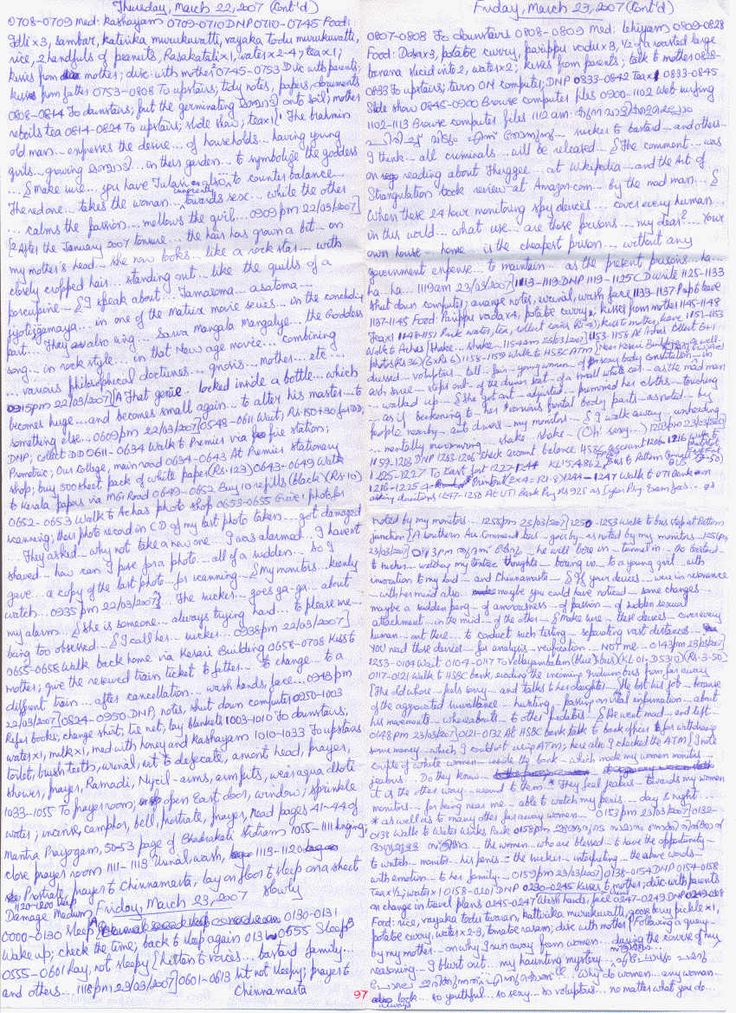
In a world that often demands silence from women, channeling rage becomes both an act of defiance and a powerful form of communication. When one woman undertook the formidable task of documenting her rage for an entire week, the patterns that emerged were not only revealing but also cathartic. Her meticulous record unearthed the nuanced forms of indignation that simmer beneath the surface—anger propelled by systemic injustice, personal betrayals, or the oppressive weight of societal expectations. This raw outpouring cultivates a fertile ground for reflection, exposing the intricate interplay between fury and resilience. Through this narrative, we explore the multifaceted expressions of rage she articulated, the transformative power embedded within, and the broader implications for feminist discourse.
The Omnipresence of Subtle Triggers
Anger is rarely a spontaneous eruption; it is oftentimes a crescendo built on repeated frustrations, subtle microaggressions, and often-invisible provocations. Throughout the week, the documented moments unveiled a litany of triggers—many seemingly insignificant in isolation but collectively overwhelming. These included dismissive remarks during professional settings, the exhaustion wrought by emotional labor in domestic spaces, and the insidious strain of societal invisibility. This strain was punctuated by the persistent expectation that anger must be tempered, even diminished, for the comfort of others. This demand for emotional containment reveals much about the gendered nature of rage itself—viewed as disruptive, even unwarranted, when voiced by a woman.
The weekly documentation served as an unfiltered archive, illuminating how countless small indignities accumulate like splinters under the skin, each prodding anger just a little further. This compounded rage is both a testament to endurance and a quiet rebellion against normalization of inequity.
Manifestations of Rage: The Spectrum of Expression
Rage is not monolithic; it manifests in manifold ways—some overt, some insidious, some laced with sadness, others with relentless fire. During the week, multiple facets of her fury unfolded. There was the explosive outburst, that volcanic release often stigmatized yet deeply human. There was the simmering resentment that festered quietly, a stew of unresolved grievances. There was also the paradoxical weariness—rage shadowed by fatigue, a tiredness borne from the perpetual fight against patriarchal structures.
At times, her rage took a narrative form, whereby she harnessed words as weapons of catharsis. This was documented through journaling and personal reflection, which uncovered an important function of written expression: to translate intangible emotion into a concrete, digestible form. The process itself became a reclamation of voice, a refusal to be muted.

This kaleidoscope of emotional expression defies reductive stereotypes that often confine women’s anger to hysterics or irrationality. Instead, it asserts rage as a legitimate and complex response to persistent injustices, a form of knowledge and insight rather than merely emotional turbulence.
The Intersection of Personal and Political Fury
Her week-long chronicle deftly illustrated how personal experiences of rage are inextricable from the political milieu. Each moment of indignation reflected broader systemic oppressions—whether rooted in gender discrimination, racial bias, or socio-economic marginalization. The personal became a prism refracting the social, revealing the interconnectedness between individual suffering and collective struggle.
The documentation emphasizes that anger, particularly women’s anger, cannot be divorced from context. For instance, being dismissed during meetings or having her expertise questioned repeatedly was not just an isolated slight—it was a symptom of entrenched patriarchy that still permeates professional spaces. Her rage against microaggressions at home highlighted unequal divisions of labor and emotional responsibilities that disproportionately burden women.
By tracing these intersections, the narrative underscores the revolutionary potential of rage. It is a call to dismantle oppressive frameworks rather than a mere emotional reaction, thereby bridging personal grievance with political activism.
The Alchemy of Rage: Transforming Anger into Action
Documenting rage across seven days also captured the evolution from raw emotion to purposeful energy. Indignation, when harnessed constructively, can catalyze profound change. This alchemical process entails recognition of rage as valid, followed by its channeling into deliberate acts—whether through advocacy, creative output, or community building.
Her reflections revealed moments where rage fueled clarity and resolve, pushing her beyond despair and into determination. It also highlighted the importance of intentional self-care within this alchemy—how rage without reprieve risks becoming corrosive rather than regenerative.

This transformative journey is vital for sustaining feminist struggles. Far from perpetuating destructive stereotypes, her chronicle reframes rage as a source of empowerment and visionary progress.
Challenging the Gendered Stigma Around Female Rage
One of the most compelling revelations in this week-long documentation was the persistent stigma imposed on female anger. Societal expectations dictate that women remain perpetually poised, nurturing, and compliant. To deviate — to openly express rage — risks being labeled as irrational, hysterical, or otherwise problematic. This stigma operates as a mechanism to police women’s emotions and maintain power hierarchies.
The chronicle dissected how these cultural norms suffocate authentic emotional expression and deny women the legitimacy of their lived experiences. Through detailed accounts of her interactions and internal dialogues, the narrative exposes the double bind women face: suppressing anger erodes their psyche; expressing it invites condemnation.
By documenting this struggle, the narrative not only resists silence but actively challenges the pernicious myths that delegitimize female rage. Such exposure is an act of feminist reclamation—a demand for emotional agency and respect.
The Liberatory Potential of Collective Witnessing
Finally, this detailed diary of rage illuminates the importance of community and collective witnessing in processing anger. Isolation often compounds feelings of frustration and helplessness. Sharing experiences of rage within supportive feminist or allied spaces opens avenues for validation, solidarity, and healing.
The act of documenting and sharing rage transforms individual pain into collective consciousness. This process reduces shame, erodes stigma, and forges connections rooted in shared struggle. Collective witnessing affirms that rage is not an aberration but a powerful signal—warning of injustice, and rallying for transformation.
Through this lens, documented rage becomes both testimony and manifesto, encouraging others to confront, articulate, and mobilize their anger in pursuit of equity and justice.










Leave a Comment