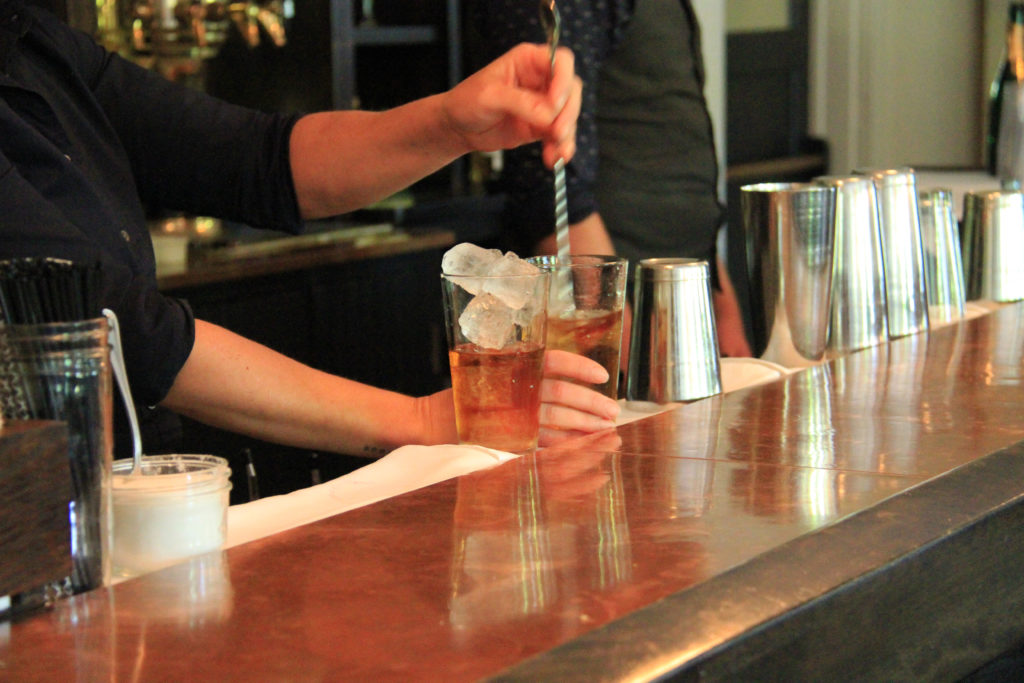
In the labyrinthine dance of nightlife, where shadows intermingle with the clinking of glasses and whispered conversations, safety often hides behind a veil of silence. A woman’s whispered plea—disguised as an innocuous phrase—has now become a beacon in the dimly lit world of bars. Her innovation, a safe word system tailored for bartenders, is unraveling the archaic norms of vulnerability, spinning a cloak of security where once there was none. This is not merely a tool; it is a subversive act of empowerment, a language of consent and protection whispered between allies in the intoxicated haze of nightlife.
From Silence to Signal: The Genesis of a Safe Word System
Imagine walking along a tightrope frayed by negligence and societal apathy. For countless women, this metaphorical tightrope is the night out—thrilling yet perilous. The creation of a safe word system is akin to weaving a lifeline into that rope. It transforms the nebulous fear of harassment and assault into a tangible code—a secret handshake between those who need help and those sworn to provide it. This system is not a mere protocol; it is a radical reclamation of control in spaces historically indifferent to survivors’ safety.
The genius lies in its simplicity. A phrase—seemingly mundane—evokes immediate, discreet action by bartenders, safeguarding patrons without igniting confrontation or social uproar. In an environment where vigilance is the silent currency of safety, this code is a lifebuoy thrown amidst choppy waters, ensuring no one remains unseen or unheard.
The Invisible Shield: How Bartenders Become Silent Guardians
Bartenders, often relegated to the role of service providers, are now recast as vanguards of personal security. This transformation is profound; it acknowledges their unique vantage point and the intimacy they share with patrons. Behind the bar, they witness the ebb and flow of human interactions, the subtle cues of discomfort that others might dismiss. Empowered with the safe word system, bartenders are no longer passive bystanders but active participants in a culture that refuses to normalize harassment.
They become the sentinels of nightlife, trained to recognize not just intoxication but distress, equipped to intervene subtly and effectively. This shift reconfigures the dynamic within bars—it is a quiet revolution marking a new era where safety is woven into the very fabric of socializing. The bar counter ceases to be a mere transactional space; it is a frontline where vigilance meets compassion.

Unmasking the Unique Appeal: Why This System Resonates
The allure of the safe word system is anchored in its dual nature—discreet yet powerful. It does not shout; it whispers. It bypasses the stigmatization of victimhood by offering a non-verbal, non-confrontational channel of communication. Unlike plights broadcasted to bystanders, this system respects privacy, wrapping protection in a cloak of normalcy. It’s a radical challenge to the often toxic culture that silences and shames those who seek help.
Moreover, it is profoundly inclusive. Whether at a bustling city nightclub or a quiet neighborhood pub, the safe word adapts effortlessly. It places safety not in the hands of a private security force or law enforcement alone, but in the collective responsibility of a community. This accessibility makes it a potent tool—one that scales and permeates diverse environments with ease.
Changing the Narrative: Empowerment in the Face of Danger
Nightlife has often been narrated as a minefield for women, fraught with invisible hazards lurking behind every smile or glass clink. The introduction of a safe word system rewrites this narrative. It introduces an element of agency that dismantles power imbalances. Women are no longer passive recipients of risk; they are architects of their own safety, wielding language as both shield and sword.
Beyond practical safety, this system fosters a cultural shift. It plants seeds of awareness and accountability among patrons and staff alike. It urges bartenders across the nation to recognize their role not just as servers of spirits but as allies in the fight against harassment. In this way, the safe word becomes more than a phrase—it is a manifesto for respect and dignity in social spaces.
Waves of Adoption: Spreading the Doctrine of Consent
The ripple effect of the safe word system’s success is undeniable. Bars and venues are adopting it at increasing rates, acknowledging that safety is not an optional feature but a foundational requisite. This adoption signals a tectonic shift in social expectations. Venues that implement such systems broadcast a commitment to protect, attract, and honor their patrons’ well-being.
Training bartenders to recognize and respond to the safe word requires effort, but it yields invaluable dividends. It embeds vigilance into hospitality, transforming nightlife from a potential peril into a sanctuary. As more bartenders become fluent in this secret lexicon, the night becomes less an arena of threat and more a theater of trust—a place where freedom and fun are not mutually exclusive but intertwined.
The Road Ahead: Toward Safer Nightly Adventures
The safe word system is neither a panacea nor a catch-all solution. Yet, it is an innovative stride toward dismantling the invisible barriers of fear that plague women in nightlife. It invites continuous refinement and widespread recognition as an emblem of safety and solidarity. As society begins to demand more from its social spaces, this system could serve as a template for other environments where vulnerability reigns.
What started as one woman’s radical approach to a pervasive problem is unfurling its wings, inspiring a movement of precaution, respect, and empowerment. The nuances of nightlife are intricate, but with tools like the safe word system, they become navigable—not by brute force or reaction, but by the quiet strength of shared responsibility and whispered codes.







Leave a Comment