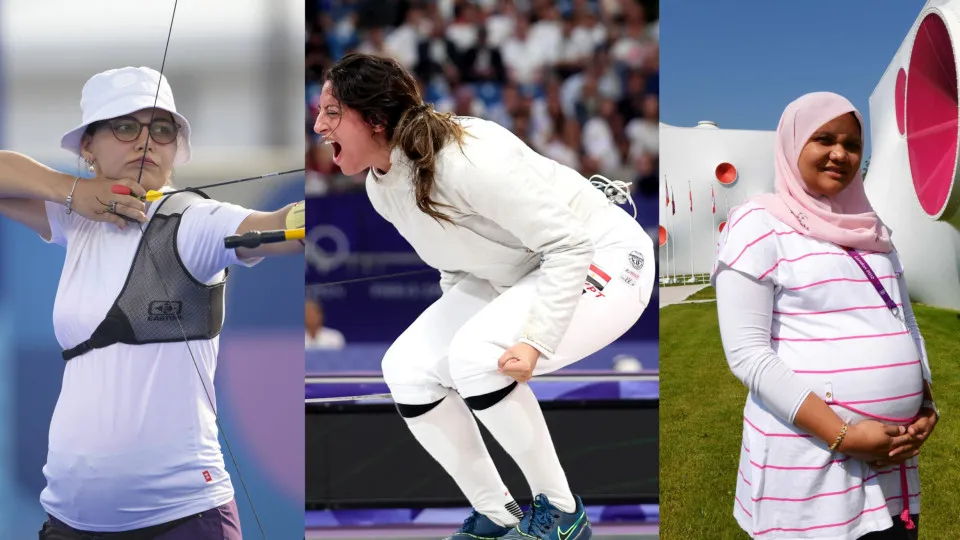
The sight of a pregnant woman stepping onto the track, the court, or the pitch isn’t just a spectacle—it’s a revolution. It’s the kind of image that doesn’t just capture attention; it seizes the collective imagination and refuses to let go. When athletes compete while pregnant, they don’t just defy physical limits; they shatter societal ones, exposing the fragility of the myths we’ve built around motherhood and athleticism. These women aren’t just breaking records—they’re rewriting the rules of what it means to be a woman in a world that still expects compliance over courage. The internet erupts not just in awe, but in a kind of raw, unfiltered recognition: here are bodies doing the impossible, and here are the systems that never saw it coming.
The Myth of the Fragile Mother: When Strength Becomes Subversive
There’s a quiet tyranny in the way society frames pregnancy: as a state of delicate withdrawal, a time for softness, for nesting, for stepping back. But what happens when the body refuses to comply with this narrative? When a woman’s muscles don’t atrophy, when her endurance doesn’t vanish, when her spirit doesn’t dim? The internet’s reaction isn’t just admiration—it’s a kind of collective gasp, a recognition that the myth of the fragile mother was always a lie. These athletes expose the absurdity of the idea that pregnancy is a surrender. Instead, they turn it into a defiant assertion: strength isn’t conditional. It’s inherent.

The images that circulate aren’t just of victory—they’re of defiance. A sprinter with a baby bump crossing the finish line. A weightlifter hoisting barbells while her body nurtures new life. Each photograph is a middle finger to the idea that pregnancy is a time to shrink. Instead, these women expand the definition of what’s possible, forcing us to confront the uncomfortable truth: the same bodies that create life are also capable of destroying it. And that duality terrifies those who prefer their women one-dimensional.
Olympic Glory and the Erasure of Motherhood: A History of Invisibility
The Olympics have long been a stage for myth-making, where narratives of sacrifice and suffering are polished into golden legends. But where are the stories of the athletes who competed while pregnant? They’re not in the official histories, not in the highlight reels, not in the carefully curated tales of national pride. They exist in the margins, in the footnotes, in the whispers between fans who know the truth: motherhood isn’t a detour from greatness—it’s a part of it. The erasure isn’t accidental. It’s deliberate. Because to acknowledge these women is to admit that the Olympics’ obsession with purity—of body, of purpose, of identity—is a fiction.
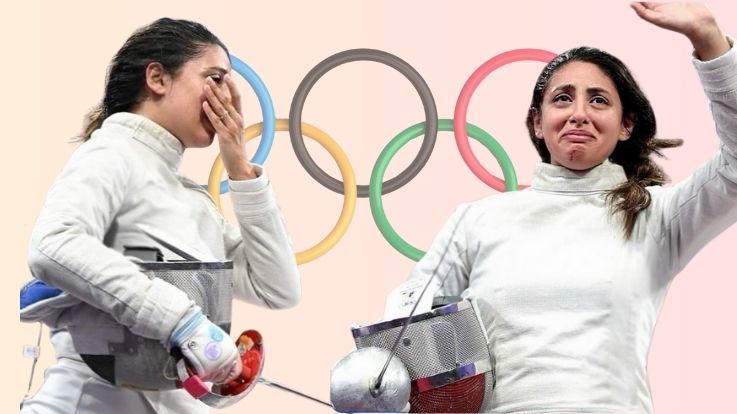
Consider the athletes who carried their children in their wombs while carrying the weight of national expectations. Their stories aren’t just about medals—they’re about survival. About training through nausea, about competing with the knowledge that their bodies are doing double duty. And yet, the narrative machine insists on separating motherhood from athleticism, as if the two can’t coexist. These women refuse to be compartmentalized. They force us to ask: what if the greatest Olympic performances weren’t just about speed or strength, but about the sheer audacity of existing as both an athlete and a mother?
The Internet’s Obsession: Why These Stories Go Viral
There’s something about a pregnant athlete that the internet can’t resist. It’s not just the shock value—though that’s undeniable. It’s the way these images force a confrontation with our own biases. We’ve been conditioned to see pregnancy as a time of retreat, and suddenly, here’s a woman charging forward. The virality isn’t just about admiration; it’s about cognitive dissonance. The internet thrives on disruption, and nothing disrupts like a pregnant woman refusing to play by the rules.
But the obsession isn’t purely celebratory. There’s a darker undercurrent: the inevitable backlash. The comments sections fill with skepticism—“Was she really pregnant?” “She must have hidden it.” “This is dangerous.” The skepticism isn’t about safety; it’s about control. Because if a pregnant woman can compete, then the idea that motherhood is a limitation starts to crumble. And that terrifies people who need women to stay in their lanes.

The internet’s reaction is a mirror. It reflects our collective discomfort with women who refuse to be contained. These athletes aren’t just breaking records—they’re breaking the internet’s ability to categorize them neatly. And that’s why the stories spread like wildfire. Because in a world that wants women to be either mothers or athletes, but never both, these women are living proof that the binary is a lie.
The Physical and Psychological Toll: The Unseen Battle
Behind the triumphant headlines and viral images lies a reality that’s far less glamorous. Competing while pregnant isn’t just about pushing through discomfort—it’s about navigating a minefield of physical and psychological challenges. The nausea, the fatigue, the sheer exhaustion of carrying a child while pushing your body to its limits. And then there’s the judgment: the whispers about whether it’s safe, whether it’s fair, whether it’s even possible. The mental load is immense. These women aren’t just competing against opponents—they’re competing against a world that doesn’t believe they should be competing at all.
But here’s the thing: they do it anyway. Because the alternative—surrendering to the expectation that pregnancy is a time to step back—isn’t an option. These athletes understand something fundamental: strength isn’t a finite resource. It’s renewable. It’s adaptable. It’s theirs to claim, no matter what their bodies are doing.
The physical toll is often downplayed in favor of the inspirational narrative. But the truth is, these women are operating at a level of intensity that most can’t comprehend. They’re not just athletes—they’re pioneers, charting a course for future generations of women who refuse to let pregnancy define their limits.
The Cultural Shift: What These Athletes Mean for the Future
The impact of these athletes extends far beyond the track or the field. They’re part of a cultural shift that’s long overdue. A shift that says: women’s bodies are not just vessels for reproduction. They are instruments of power, of strength, of unapologetic existence. These athletes are rewriting the script, forcing society to confront the ways it has historically diminished women’s capabilities during pregnancy.
For young girls watching, these stories are revolutionary. They see women who look like them—women who are strong, who are capable, who refuse to be sidelined—and they realize that their own potential isn’t limited by societal expectations. The message is clear: your body is yours to command. Whether you’re pregnant or not, whether you’re an athlete or not, your strength is inherent. It’s not something to be earned or granted. It’s something to be claimed.
The cultural shift isn’t just about athleticism. It’s about autonomy. It’s about the right to exist fully, completely, without apology. These athletes are at the forefront of that movement, whether they realize it or not. They’re not just breaking records—they’re breaking the chains of a system that has long sought to keep women in their place.
The internet’s obsession with these stories is a symptom of a larger reckoning. A reckoning with the idea that women’s bodies are not their own. A reckoning with the myth that motherhood and ambition are mutually exclusive. These athletes are the vanguard of that reckoning, and the world is watching.
The Backlash and the Resistance: Why This Fight Isn’t Over
Of course, not everyone is celebrating. The backlash is inevitable, a reflexive defense of the status quo. The skeptics emerge from the woodwork, armed with outdated notions of what’s “appropriate” for a pregnant woman. The trolls crawl out of their digital caves, spouting tired rhetoric about safety and responsibility. And the gatekeepers—the coaches, the commentators, the institutions that have long controlled the narrative—scramble to reassert their authority.
But the resistance isn’t just external. It’s internal, too. The doubt that creeps in when the world tells you that what you’re doing is wrong. The fear that you’re pushing too hard, that you’re risking harm to your child. The guilt that comes with prioritizing your own ambitions in a world that demands self-sacrifice from women. These athletes don’t just face physical challenges—they face a barrage of psychological ones, too.
And yet, they persist. Because the alternative is unthinkable. The alternative is silence. The alternative is compliance. The alternative is letting the world dictate what a woman’s body can and cannot do. These athletes refuse to accept that alternative. They choose resistance. They choose defiance. They choose to exist on their own terms.
The fight isn’t over. The backlash is a reminder that the status quo is powerful, that the systems designed to keep women in their place are deeply entrenched. But these athletes are a reminder, too, that change is possible. That the world can be different. That the internet’s obsession with their stories isn’t just a fleeting trend—it’s a sign of a deeper, more profound shift in how we see women, how we see strength, and how we see the future.






Leave a Comment