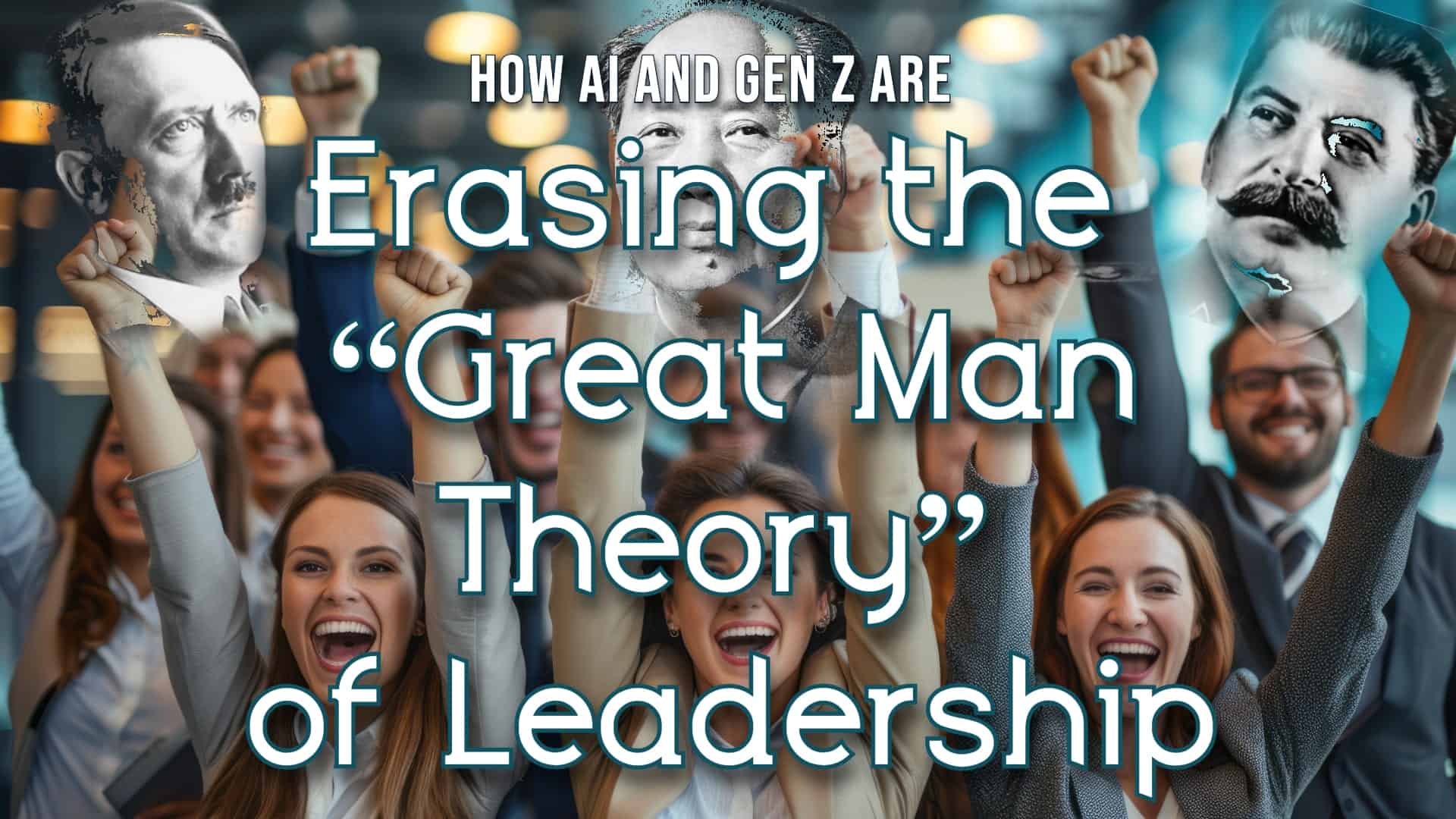
History has long been shackled by the oppressive chains of the Great Man Theory—a narrow, patriarchal narrative reducing the sprawling complexity of human progress to the deeds of a few exalted males. But then came a woman who unapologetically dismantled this archaic notion, and the establishment, predictably, responded with fury. This was not just an intellectual rebellion; it was a seismic cultural shift. Prepare yourself to delve into a story not merely about history, but about power, privilege, and the audacity to rewrite the rules.
The Tyranny of the Great Man Theory
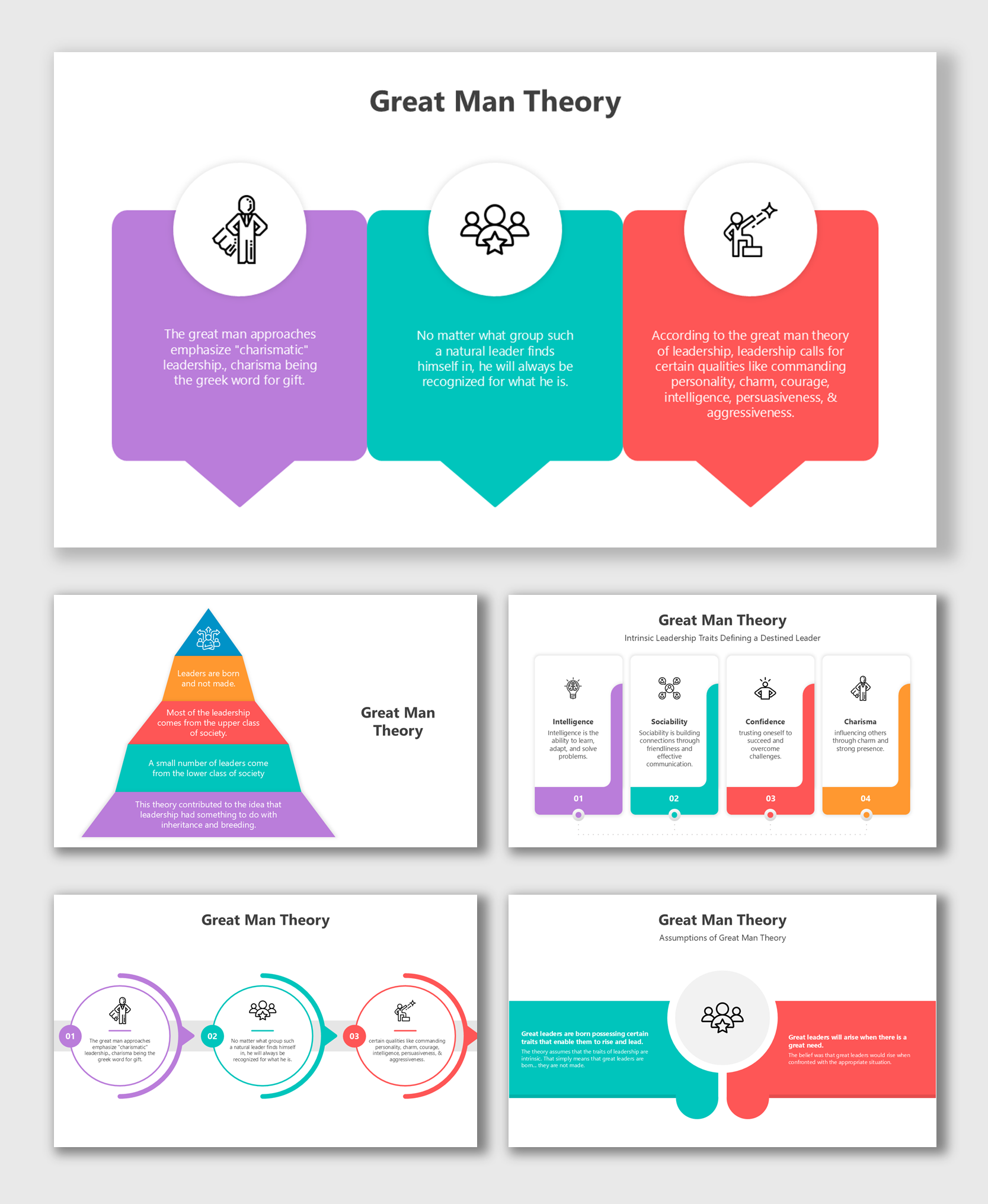
The Great Man Theory proclaims that history’s currents are driven solely by extraordinary men—leaders, warriors, inventors—who alone shape the trajectory of civilizations. This reductive framework has been canonized in textbooks and cloaked in academic reverence. Its inherent sexism is glaring, as it erases the vast contributions of women, communities, and collective movements that underpin societal transformation. It glorifies individualism over interconnectedness, hero worship over systemic understanding.
Male professors have constructed this narrative to bolster a worldview that maintains their dominance, perpetuating a sanitized, androcentric lens that dismisses alternative experiences as irrelevant or trivial. The theory’s persistence is a reflection of wider social power structures, not of any historical accuracy.
Her Bold Challenge: Reclaiming the Margins
When she emerged on the academic scene, she wielded a scalpel wit and a relentless commitment to unveiling historical truths hidden beneath patriarchal propaganda. Her critique was not a mere academic footnote but a clarion call to revisit history from the fringes, where women, subaltern groups, and unheard voices had long been relegated.
She argued that history is not shaped by isolated geniuses but by a mosaic of social forces, entrenched inequalities, and shared struggles. This perspective dethroned the mythic “great men”—exposing them as products of their contexts rather than singular shapers of fate.
Her work embraced intersectionality long before it became a fashionable term, underscoring how gender, race, class, and privilege intertwine in the making of history. By doing so, she made an irrefutable case: history must be understood as a collective enterprise.

Academic Outrage and The Battle for Intellectual Hegemony
The response from established academia was predictably hostile. Professors clung to the Great Man Theory as if it were a sacred relic that buttressed their own intellectual legitimacy. Her insurgent scholarship was branded radical, disruptive, and worse—unpatriotic. Seminars turned into battlegrounds, with old-guard historians employing every rhetorical weapon to discredit her findings.
Yet, their fury betrayed a deeper insecurity: a fear of losing control over historical narratives that prop up existing power hierarchies. The dusty halls of academia, long resistant to change and inclusivity, found themselves confronted by an unstoppable wave of feminist, postcolonial, and critical theories that refused to be silenced.
The Evolution of Historical Discourse: From Heroes to Herstories
Her groundbreaking challenge ignited a paradigm shift. Slowly but surely, history curricula began to broaden. No longer was the story framed exclusively through the tectonic plates of male exploits. New voices told stories of women scientists, indigenous resistance movements, labor activists, and countless others sidelined for centuries.
“Herstories” became an act of defiance and restoration—history recovered from the margins and re-centered around truth rather than myth. This plurality of perspectives enriches our understanding of the past, revealing its intricate and oft-ignored social fabrics.
The Cultural Ripple: Beyond Academia
This intellectual revolution transcended lecture halls. It seeped into popular culture, media, and public consciousness. Films, books, and art began to celebrate unsung heroines and collective action. The Great Man Theory’s collapse spurred the democratization of history, encouraging societies to reconsider who deserves recognition and commemoration.
Moreover, this shift emboldened contemporary feminist activism. It emphasized that dismantling patriarchal narratives in history is foundational to challenging present-day inequalities. Such awareness galvanizes movements demanding systemic change, representation, and justice.

The Continuing Struggle: Revising the Historical Canon
Despite progress, the fight to dethrone the Great Man Theory is far from over. Many still cling to sanitized historical accounts to avoid confronting uncomfortable truths about oppression and resistance. Revising the canon is a subversive act that unsettles the inertia of tradition and challenges the authority of those who write history’s “official” versions.
The work she began unfolds as an ongoing process—one demanding vigilance against erasure and intellectual complacency. It compels educators, students, and society at large to interrogate whose stories are told and why.
What Readers Can Expect
Those engaging with this intricate narrative will find a tapestry of insights that stretch beyond historical orthodoxy. Expect a provocative re-examination of former “heroes.” Discover narratives where collective movements, marginalized groups, and unsung women are the protagonists. Encounter a rich exploration of feminist theory intersecting with historiography, exposing the fallacies embedded in traditional history.
Readers will be invited into an intellectual odyssey—challenged to reconsider the construction of knowledge itself. Scholarly rigor marries passionate critique, making this not just an academic treatise but a cultural manifesto. It is transformative reading for anyone willing to confront the uncomfortable dominions of power wrapped in the guise of history.
Her fearless challenge to the Great Man Theory was not just a critique of history—it was a revolution in thought. Professors may have been mad, but the world needed her audacity. And her story is far from finished.







Leave a Comment