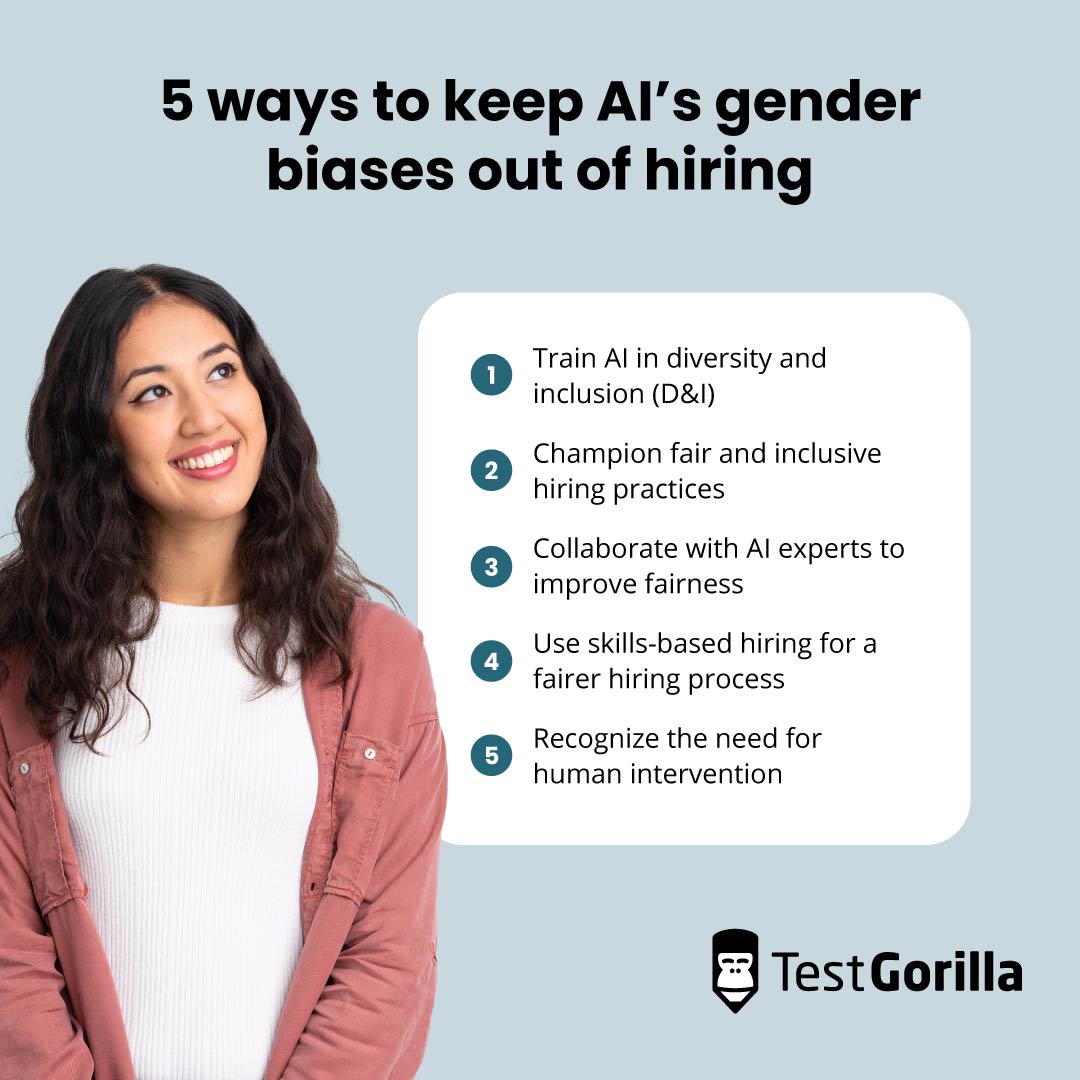
The corporate world has long been a fortress of systemic exclusion, where the glass ceiling isn’t just a metaphor—it’s a reinforced barrier, polished by centuries of patriarchal tradition. Yet, in the shadows of this fortress, a quiet revolution is brewing. A revolution not of slogans or marches, but of algorithms and data. Meet the architects of change: women who are weaponizing artificial intelligence not to perpetuate bias, but to dismantle it. Their latest creation? An AI that doesn’t just screen resumes—it audits them for the invisible scars of sexism. This isn’t just innovation. It’s poetic justice.
The Algorithm That Sees What Humans Refuse to Acknowledge
Imagine a hiring manager reviewing a stack of resumes. Names like “Emily” and “Sarah” are subtly downgraded, while “Michael” and “John” sail through. The bias isn’t overt—it’s buried in the subconscious, encoded in language, in the unspoken rules of professionalism. This is the reality of modern recruitment, where subjectivity masquerades as objectivity. But what if the algorithm could see what the human eye cannot?
Enter the AI that detects sexist hiring practices. It doesn’t just parse keywords; it dissects tone, analyzes gaps in employment history through a gendered lens, and flags language that subtly undermines women’s achievements. For instance, a resume that describes a woman’s leadership as “collaborative” might be recalibrated to highlight her “strategic command.” The AI doesn’t just correct—it exposes the insidious ways language shapes perception. It’s not just a tool; it’s a mirror held up to the hiring process itself.
But here’s the twist: this AI isn’t just reactive. It’s predictive. By analyzing historical hiring data, it can forecast which roles are most likely to be gender-biased before a single application is reviewed. It’s like having a time machine that shows you the future of your hiring pipeline—if you dare to look.
The Invisible Hand of Bias: Why We Pretend It Doesn’t Exist
We live in an era where data is king, yet the most critical data—the kind that reveals our own complicity in oppression—is often ignored. Why? Because acknowledging bias forces us to confront the uncomfortable truth: that meritocracy is a myth, and objectivity is a carefully constructed illusion. The hiring process, we’re told, is a meritocratic sieve, filtering talent from noise. But what if the sieve is rigged?
Consider the language of job descriptions. Words like “ninja,” “rockstar,” or “guru” aren’t just buzzwords—they’re coded masculinity. Studies show that women are less likely to apply to jobs with such language, not because they lack confidence, but because they recognize the subliminal message: *this isn’t for you*. An AI that detects sexist hiring practices doesn’t just call out these words—it rewrites the job posting to be inclusive, stripping away the performative masculinity that has long dominated corporate culture.
Yet, the fascination with this AI isn’t just about its functionality. It’s about what it represents: a challenge to the status quo. For decades, women have been told to “lean in,” to “negotiate harder,” to “be more assertive.” But what if the system itself is the problem? What if the issue isn’t women’s lack of ambition, but the infrastructure that was never designed for them? The AI doesn’t just offer solutions—it asks the questions we’ve been too afraid to voice.
From Data to Disruption: The Ripple Effect of Algorithmic Accountability
The power of this AI lies not in its code, but in its potential to disrupt. Imagine a world where every hiring decision is audited by an unbiased system. No more gut feelings. No more “cultural fit” as a euphemism for homogeneity. Just data-driven equity. But disruption isn’t just about technology—it’s about power. And power doesn’t give up easily.
Already, we’re seeing pushback. Some argue that AI itself is biased, citing examples like Amazon’s scrapped recruiting tool, which penalized resumes containing the word “women’s.” But here’s the difference: this new AI isn’t built by a tech giant with a profit motive. It’s built by women, for women. It’s designed with intersectionality in mind, recognizing that sexism doesn’t exist in a vacuum—it intersects with race, class, and disability. It’s not just an algorithm; it’s a manifesto.
The ripple effect of this technology is already visible. Companies that adopt it aren’t just improving their hiring practices—they’re sending a message. A message that says: we see the bias. We’re naming it. And we’re dismantling it. But the real test will come when this AI is no longer a novelty, but a necessity. When every corporation is forced to confront the data—and the truth it reveals.
The Future Isn’t Just Female—It’s Algorithmic
We’re standing at the precipice of a new era, where technology isn’t just a tool for oppression, but a weapon for liberation. The AI that detects sexist hiring practices is more than a gadget—it’s a symbol of what happens when marginalized voices take control of the narrative. It’s a reminder that the future isn’t something we wait for; it’s something we build.
But let’s be clear: this AI won’t single-handedly dismantle patriarchy. It won’t erase centuries of discrimination in a single click. What it will do is expose the cracks in the system, forcing us to confront the rot beneath the surface. And that, perhaps, is the most radical act of all.
So, to the women building this AI, to the activists who dared to imagine a different world, to the data scientists who coded equity into existence—keep going. The future isn’t just female. It’s fair. It’s fearless. And it’s finally within reach.








Leave a Comment